World-first sustainability certification for Australian southern bluefin tuna
In short:
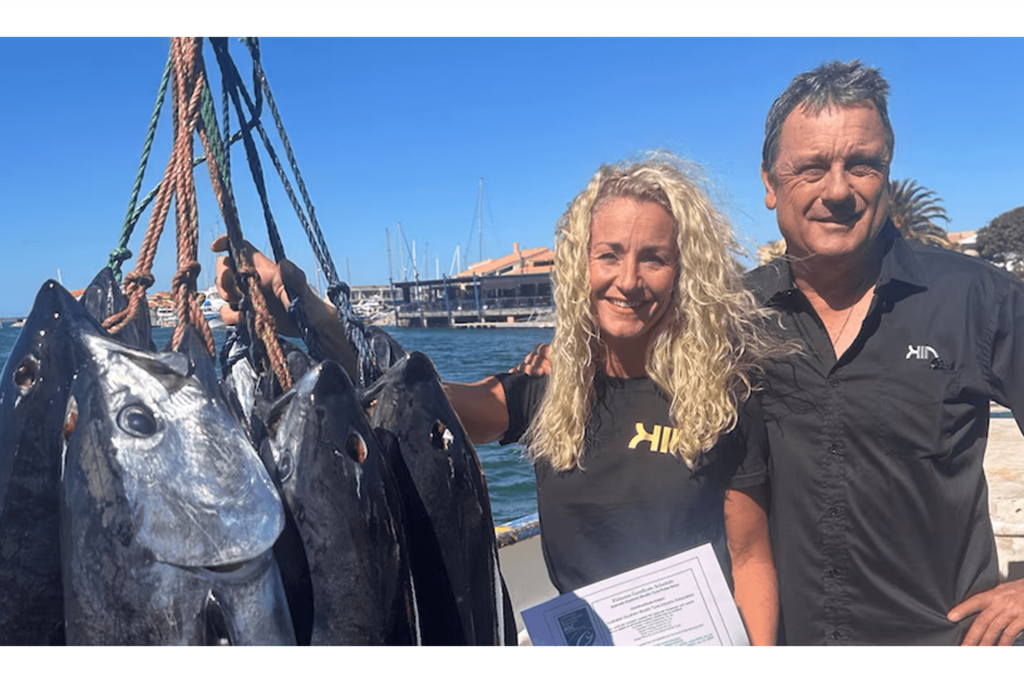
The Australian Southern Bluefin Tuna Industry Association has been certified as sustainable under the Marine Stewardship Council standard.
It is a world-first for southern bluefin tuna and is being described as a significant milestone due to the fact the species was once severely overfished.
What’s next?
The association says certification will also improve market access and there are hopes for a price rise.
Celebrating Western Australia’s sustainable fisheries credentials
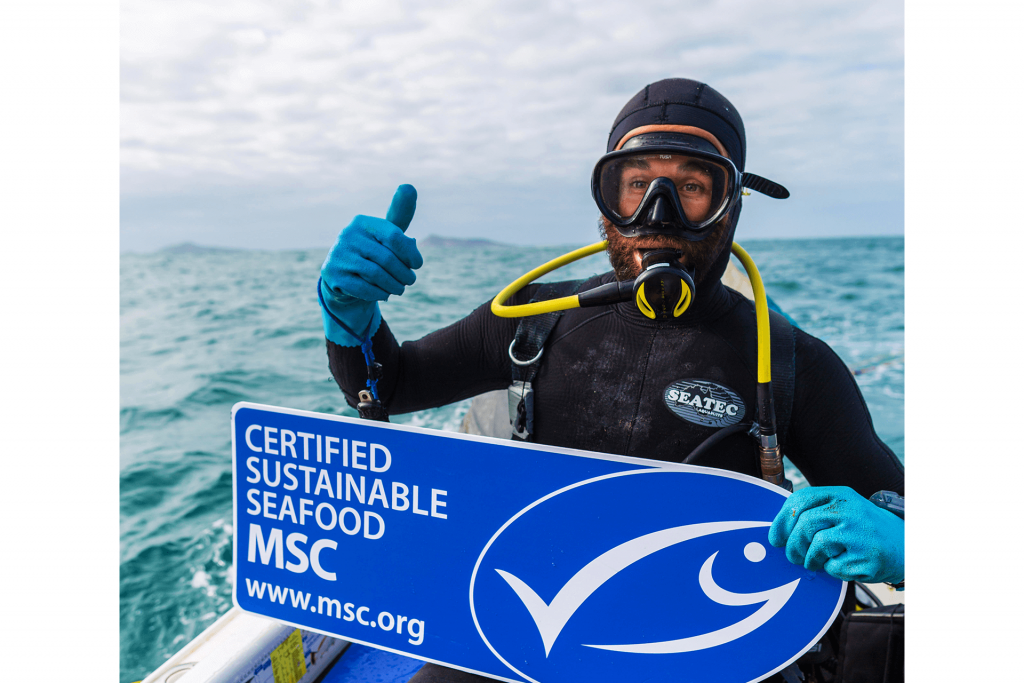
Western Australia’s sustainable fisheries and world-leading management and science programs are in the spotlight as Sustainable Seafood Week is celebrated across the country.
Scientists use acoustic tech to track popular game fish for first time in Tasmania
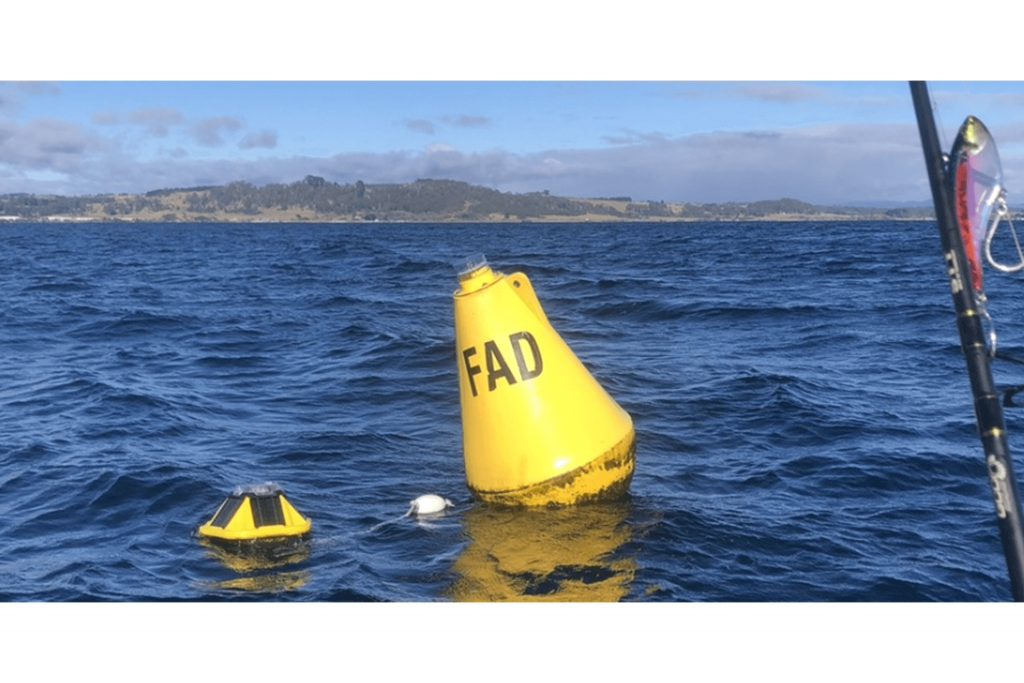
For the first time, scientists have acoustically tagged Kingfish in Tasmanian waters to track their movements and interactions with Fish Aggregation Devices (FADs), amid rising Kingfish presence due to ocean warming. The study will help researchers understand whether these popular game fish are temporary visitors or establishing longer-term residency in Tasmania.
Research surveys checking in on health of Exmouth Gulf prawn stocks
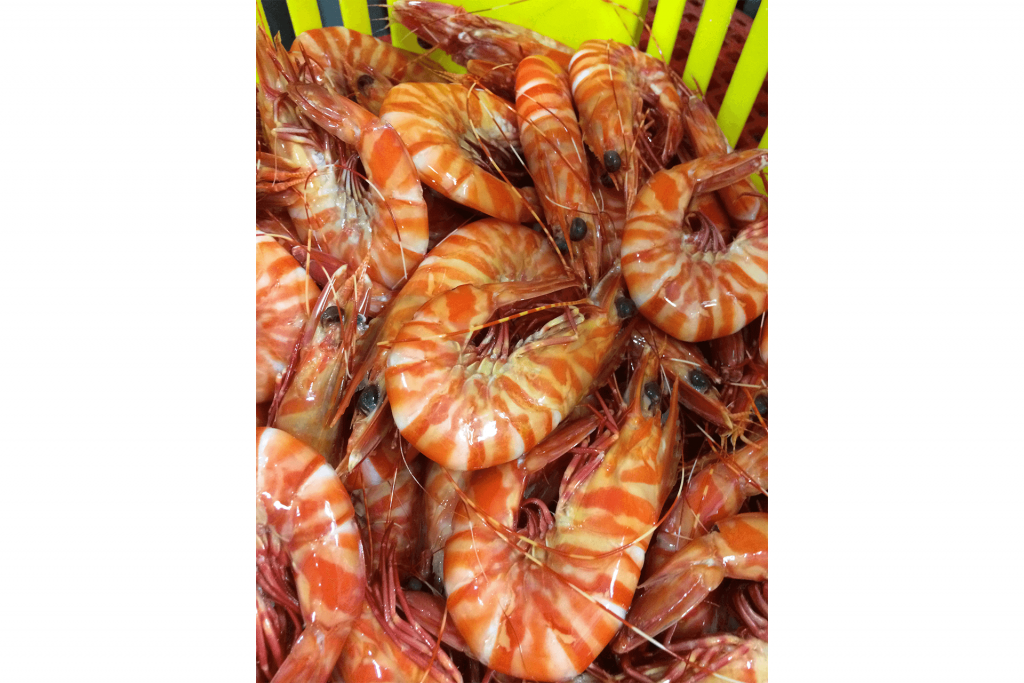
Department of Primary Industries and Regional Development Media Release
Fisheries researchers are out on water this week conducting surveys in the Exmouth Gulf Prawn Managed Fishery to check the health of prawn stocks.
Mystery solved: our tests reveal the tiny algae killing fish and harming surfers on SA beaches
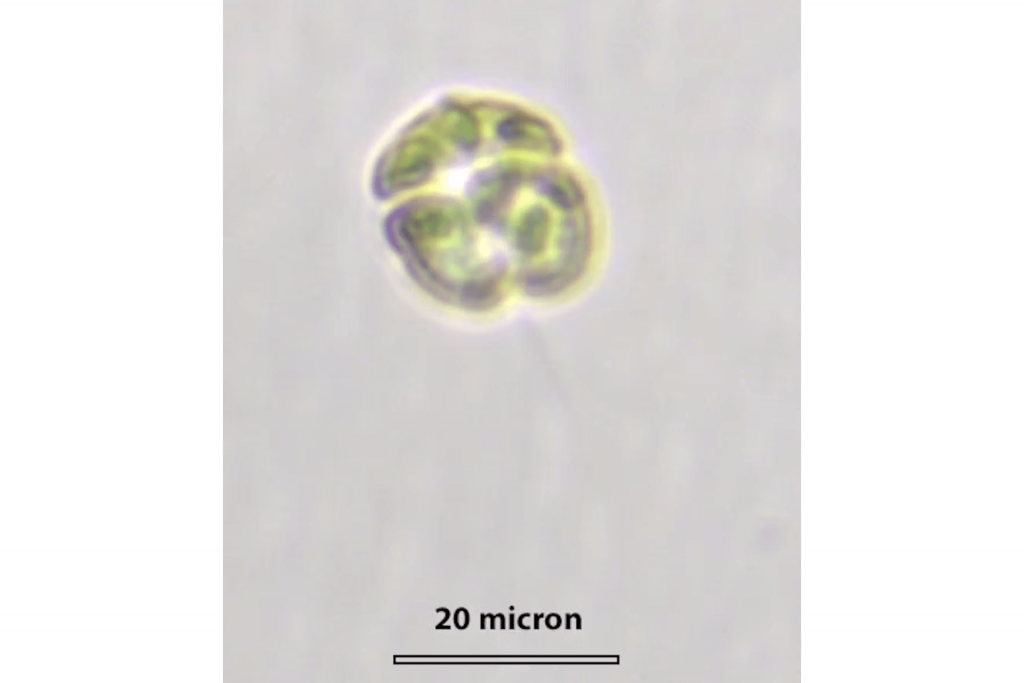
A toxic algal bloom of Karenia mikimotoi in South Australia has caused mass marine deaths and illness in over 100 beachgoers. The event highlights growing concerns about harmful algal blooms, their links to climate change, and risks to marine and human health.
Aussie seafood on the menu with labelling change
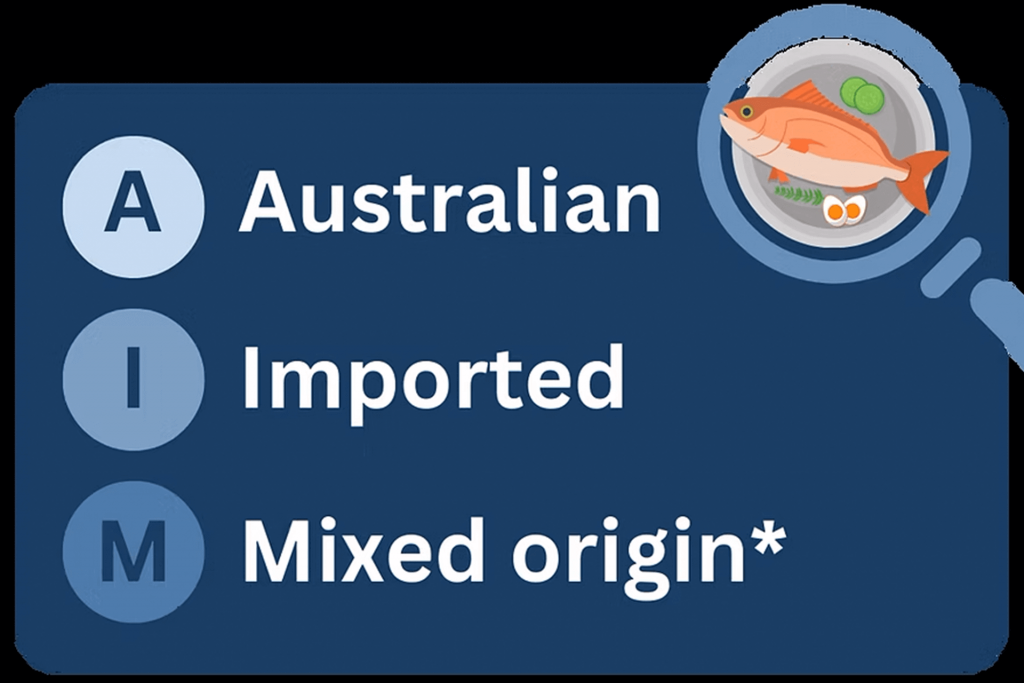
Aussie seafood lovers will soon be able to select their preferred catch in restaurants and cafes, with country-of-origin labelling (CoOL) to be added to menus.
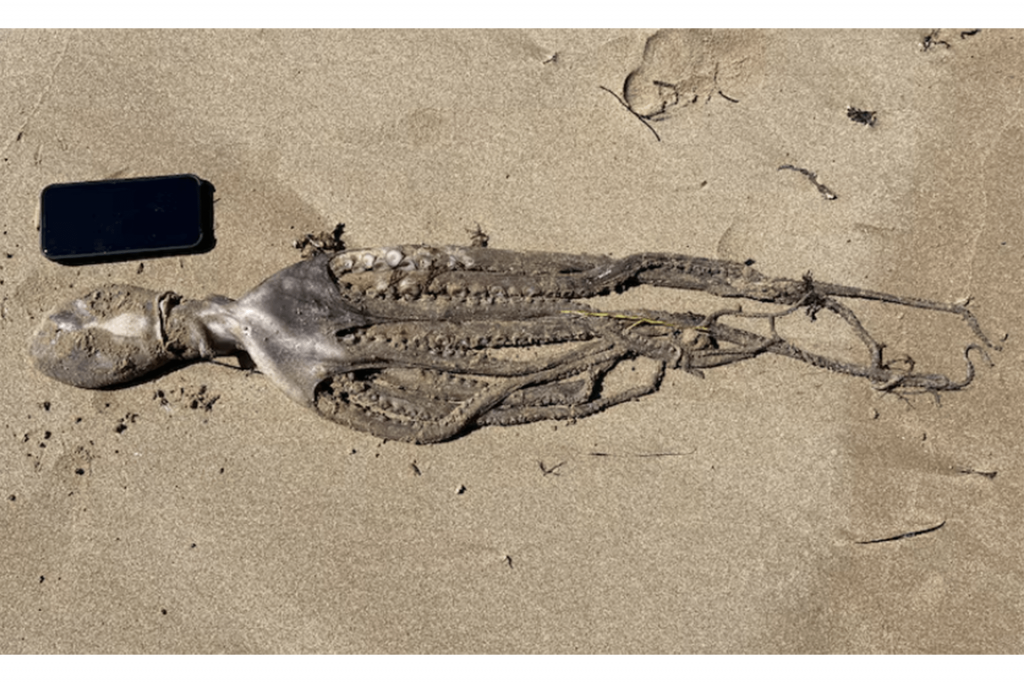
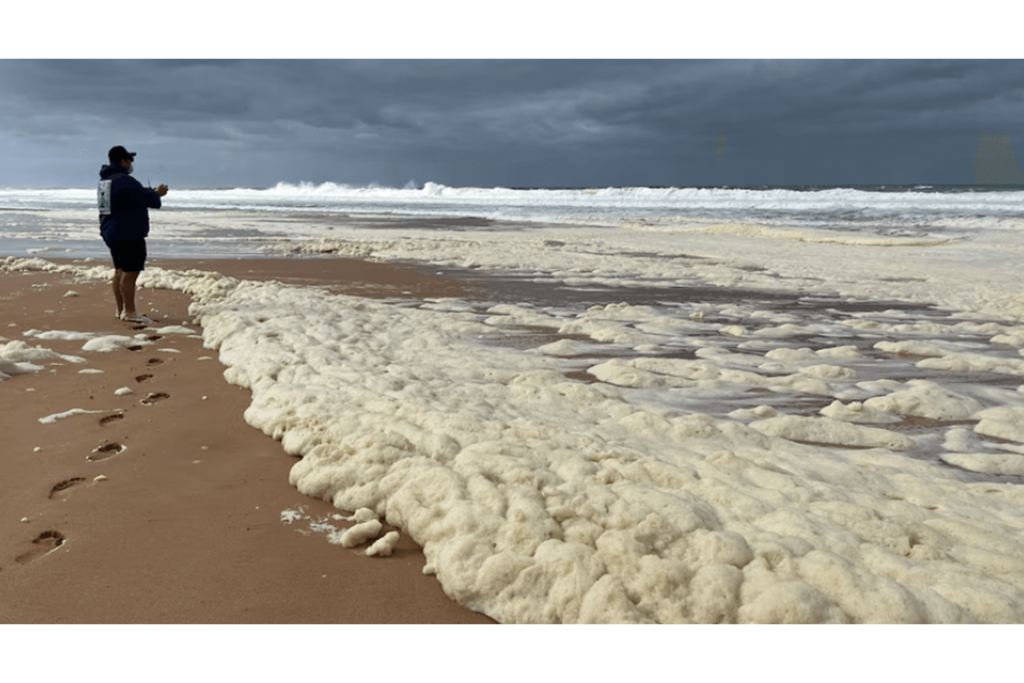
Microalgae bloom likely cause of fish deaths and foam at Waitpinga Beach
In short:
A microalgae bloom is the likely cause of dead marine life reported from Waitpinga to Basham Beach in the Fleurieu Peninsula, the EPA says.
The Department of Primary Industries and Regions (PIRSA) is investigating the fish deaths.
What’s next?
Initial results from water testing would be available in about a week.
Aboriginal Sea Company considering legal action over NT government’s gillnet ban
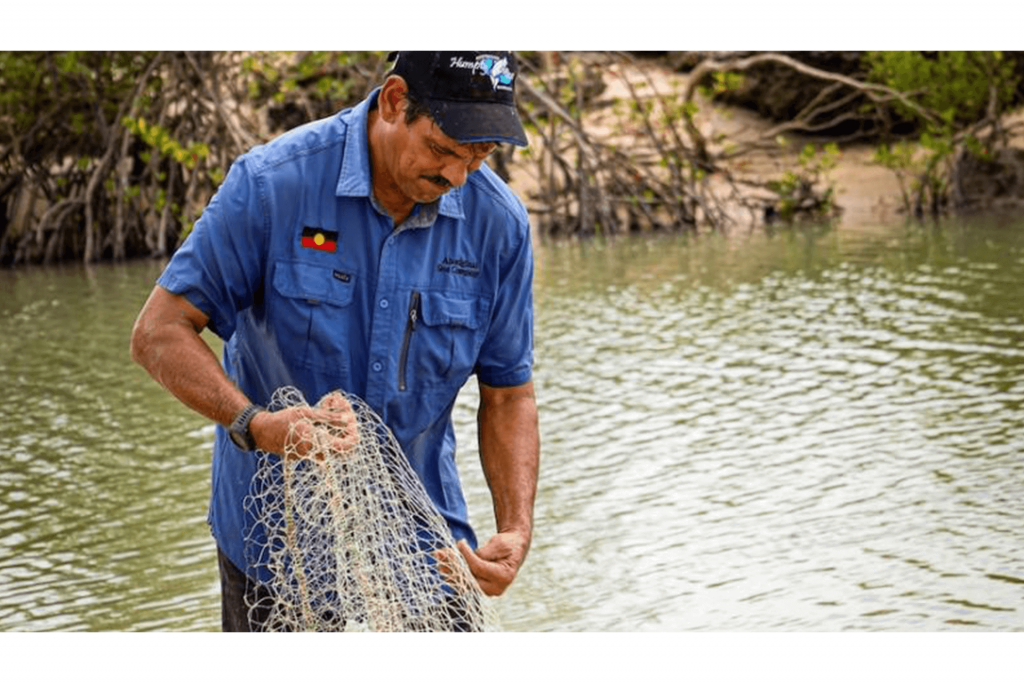
NT Government’s decision to phase-out gillnets from the commercial barramundi industry has created a range of problems.
New Chair of Sea Forest talks about the future of the seaweed company

ABC Tasmanian Country Hour’s Tony Briscoe speaks to the incoming Chair of Sea Forest John McKillop to find out more about the future plans and how he was feeling about the new role.
Mysterious foam washes up on Waitpinga Beach with reports of fish deaths and surfers falling ill
In short:
A mysterious foam has washed up on a beach on SA’s Fleurieu Peninsula.
Surfers who visited over the weekend have reported coughing, sore throats and blurred vision.
What’s next?
SA’s primary industries department is investigating reports of a “fish mortality event” and two beaches have been closed.