Eat the problem: when overfishing is a sustainable option
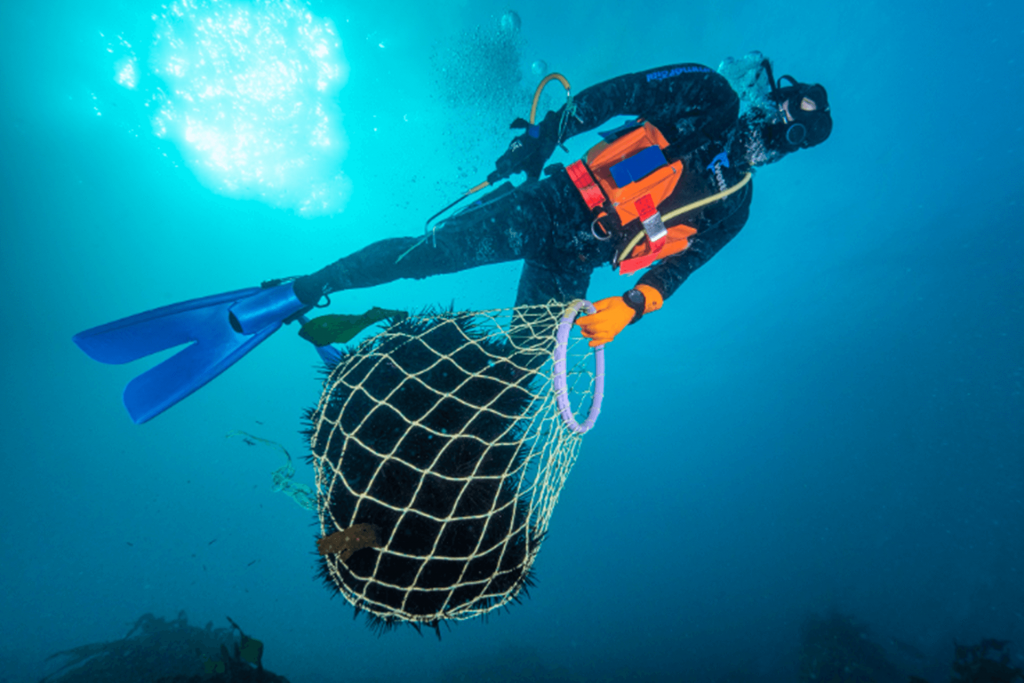
Tasmania is tackling the invasive Longspined Sea Urchin by overfishing it, successfully halving its population and protecting kelp forests. A new study shows this innovative, government-subsidised approach is both ecologically effective and economically sustainable, offering a global model for managing climate-driven marine pests.
IMAS research reveals invasive sea urchin managed through overfishing commercially
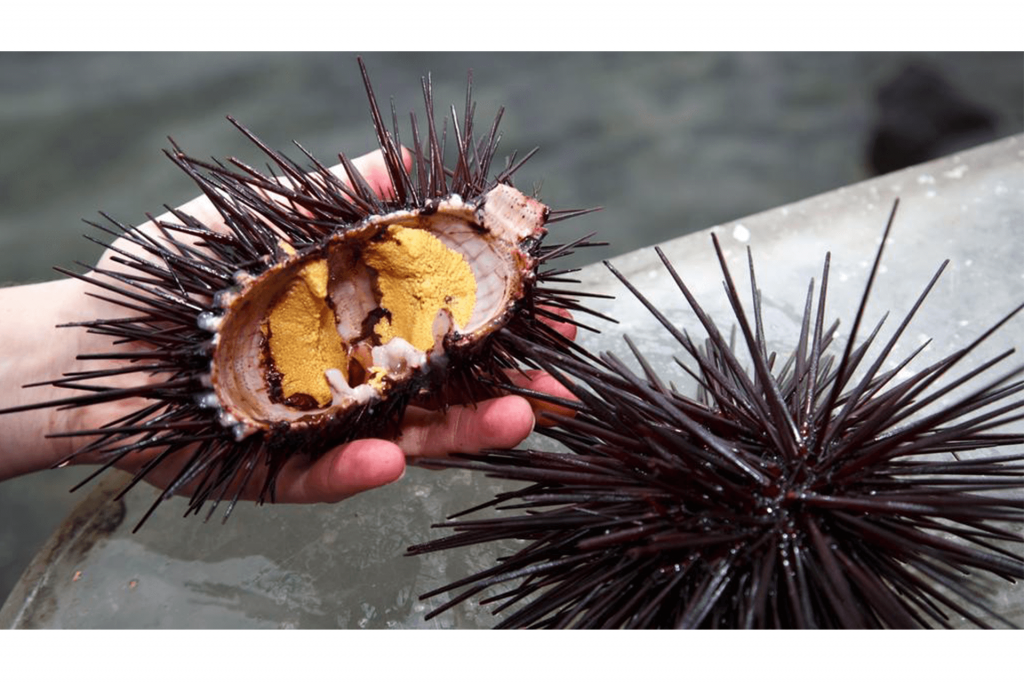
One of Tasmania’s largest wild fisheries species is being overfished, but scientists say it’s a good thing. Why they say this practice could save species across the globe.
Australian NGOs, fisheries representatives spar over MSC certification of orange roughy fishery
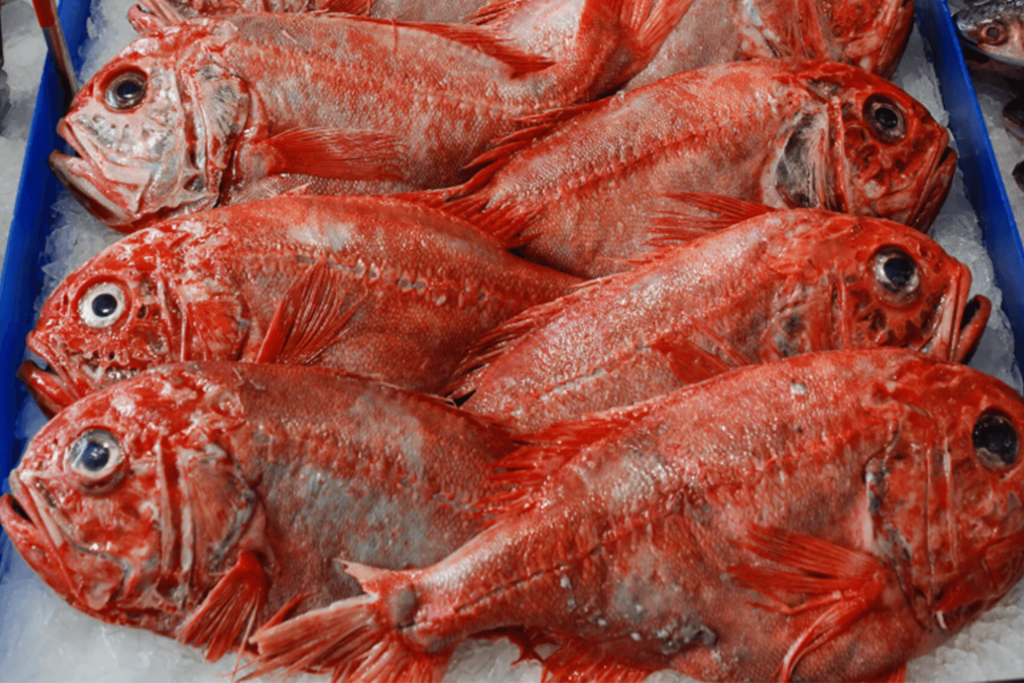
Australia’s orange roughy fishery has received MSC certification despite strong opposition from environmental groups, who argue the species is still threatened. Fisheries representatives defend the move as a sign of successful stock recovery and compliance with the MSC’s updated, rigorous sustainability standards.
Researchers boost crucial fish industry
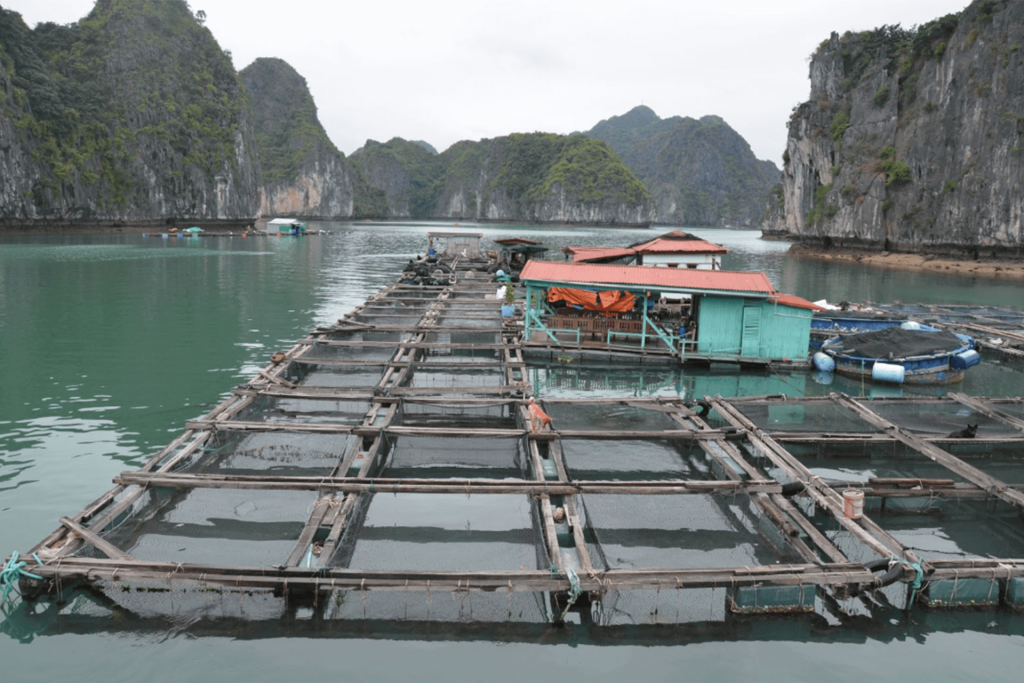
JCU researchers are hoping to unlock the enormous potential of grouper fish as a source of healthy seafood in Australia and Vietnam.
From sea to soil: transforming sea urchin waste into fertiliser
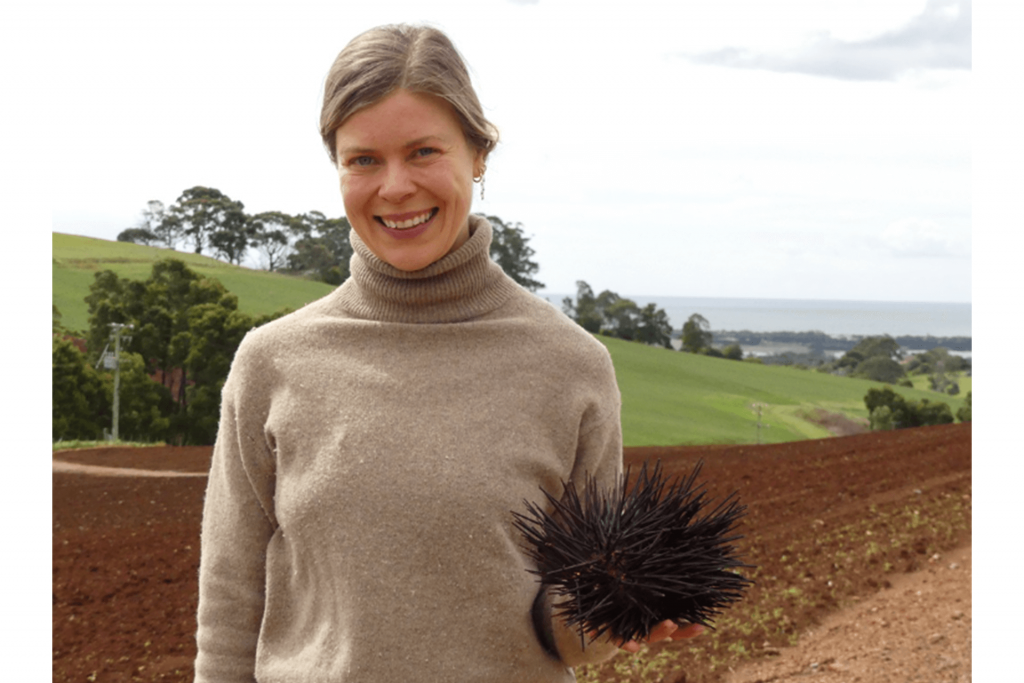
Researchers in Tasmania are turning waste from invasive sea urchins—harvested to protect reefs—into a potential fertiliser for farms. Trials show the urchin waste raises soil pH and provides nutrients, offering a sustainable solution that benefits both agriculture and marine ecosystems.
A vanishing future
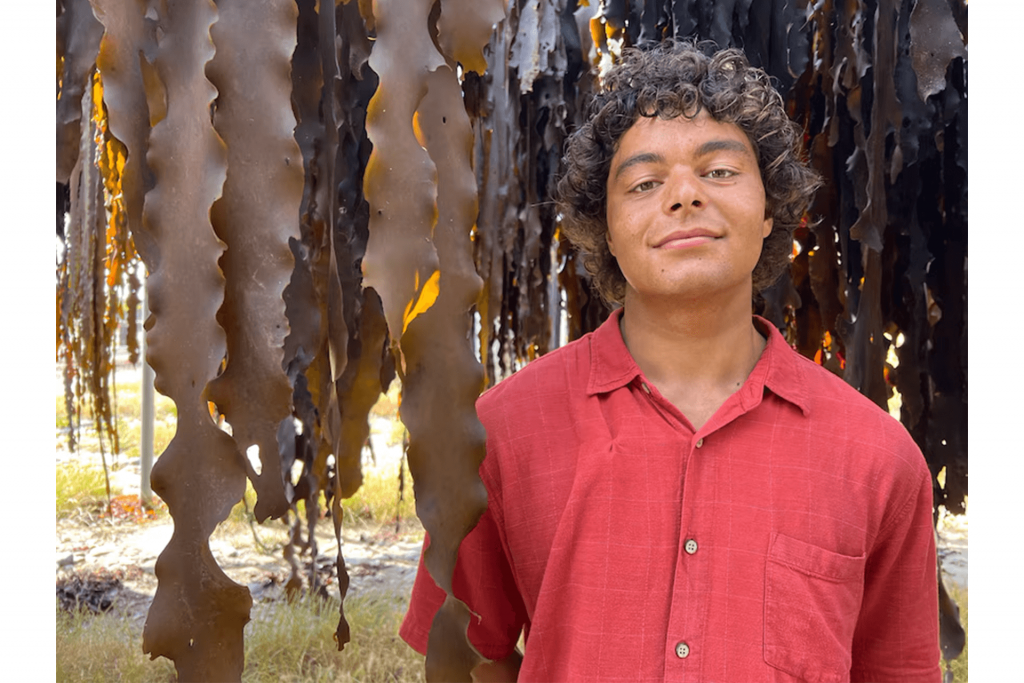
As the number of reports about kelp disappearing grows, kelpers on one Australian island are fighting to keep their industry alive.
Saving King Island’s Bull Kelp
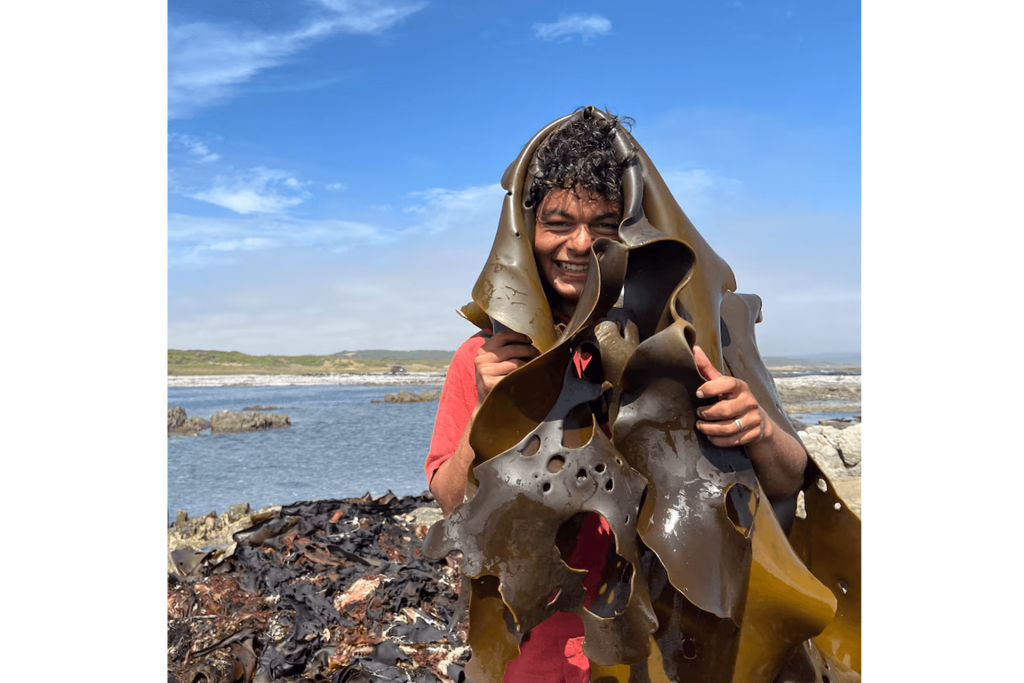
On King Island in the Bass Strait, locals are concerned about a decline in bull kelp – a type of seaweed – which they collect for global export.
Researchers are scrambling to figure out what could be behind it, but say it’s likely due to climate change.
Heatwaves, fires, torrential rain, fish kills: Australia’s summer of climate extremes
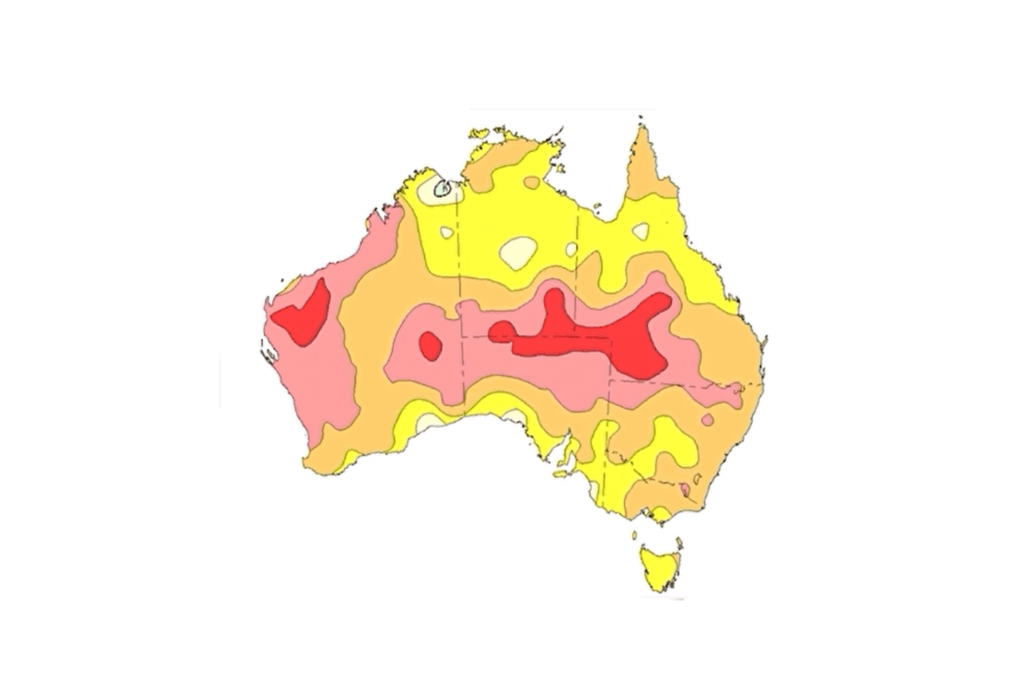
Australia experienced a summer of extreme climate events, including record-breaking heatwaves, bushfires, torrential rain, and widespread marine heatwaves that led to coral bleaching and mass fish deaths. With every state and territory facing above-average temperatures and the Bureau of Meteorology forecasting continued heat into autumn, the season underscored the intensifying impact of climate change across the country.
Seaweed scientists bridge data gap to help tackle methane emissions from livestock
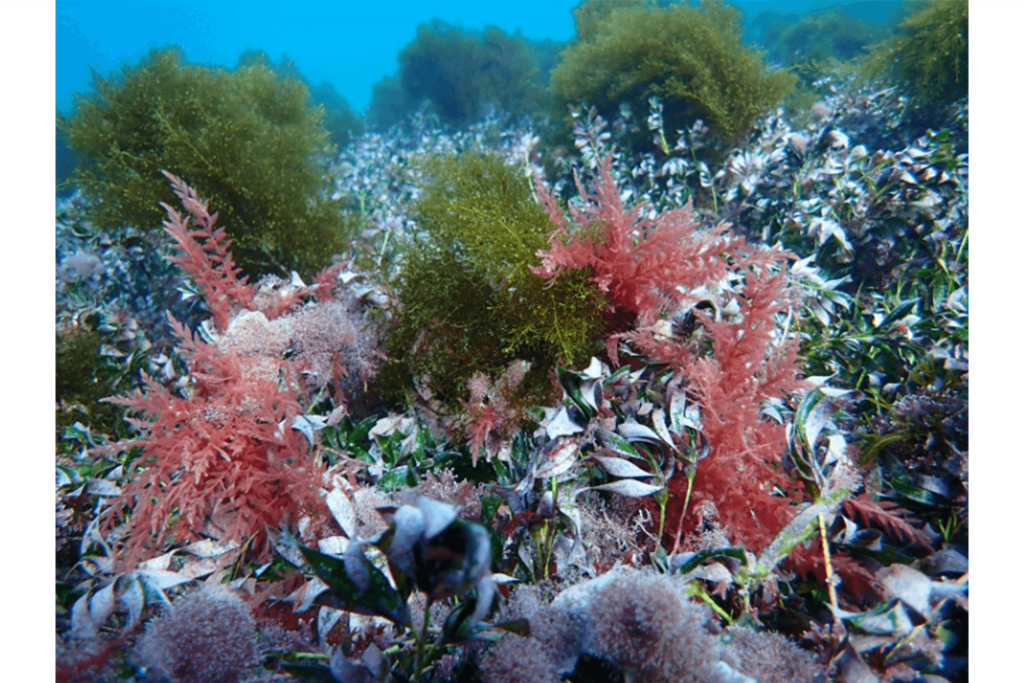
Tasmanian researchers have identified southeastern Tasmania as a prime year-round habitat for cultivating Asparagopsis armata, a native seaweed used to reduce livestock methane emissions. The study, which found high abundance, diverse host species, and two distinct genetic lineages, will guide sustainable aquaculture and help expand Sea Forest’s production of climate-positive livestock supplements.
Satellite tracking reveals key to predicting WA’s rock lobster populations
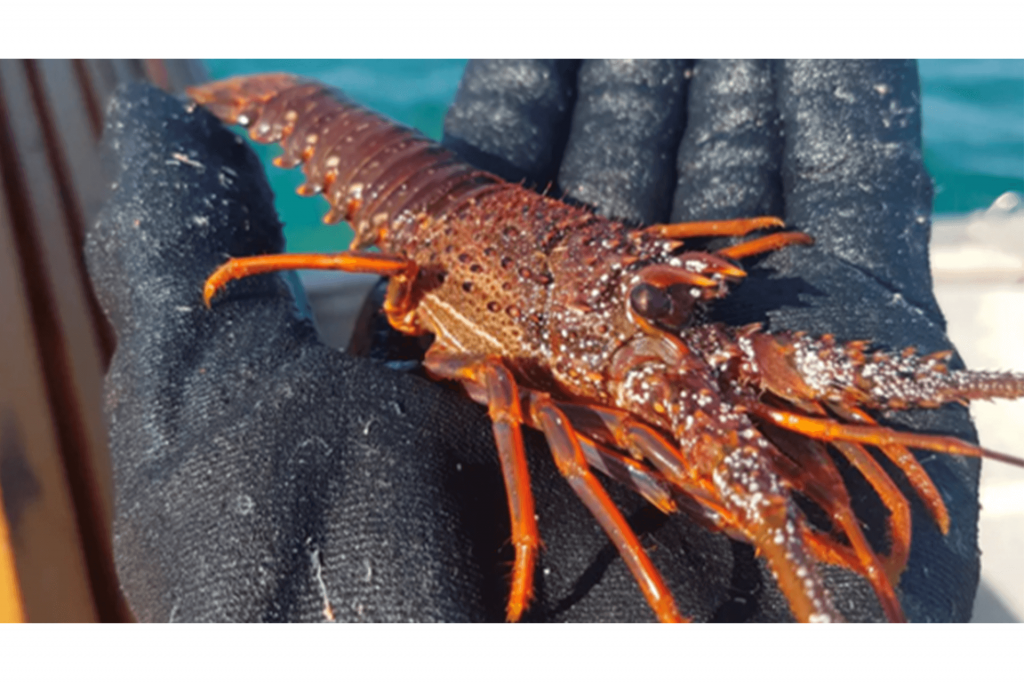
Western Australian scientists have developed a satellite-based method to monitor and predict rock lobster populations by tracking changes in seagrass and macroalgae habitats, offering a potentially transformative tool for global fisheries management. Part of the ICoAST project, the study builds on traditional techniques and supports a fishery worth hundreds of millions annually.