Scientists size up local Australian Sardine fishery
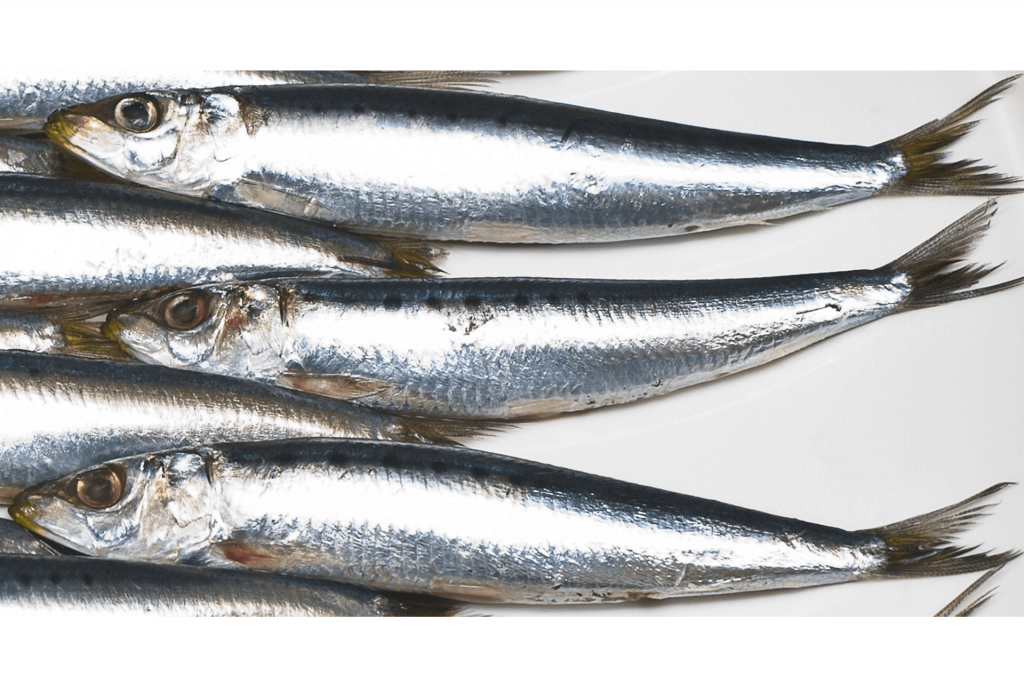
A new IMAS study has confirmed that Australian Sardine stocks in Tasmanian and Bass Strait waters are large enough to support a sustainable local fishery. Researchers recommend a cautious, research-informed approach to developing the fishery, drawing on successful management models from South Australia.
IMAS scientists capture rock lobster and abalone recreational fishing trends
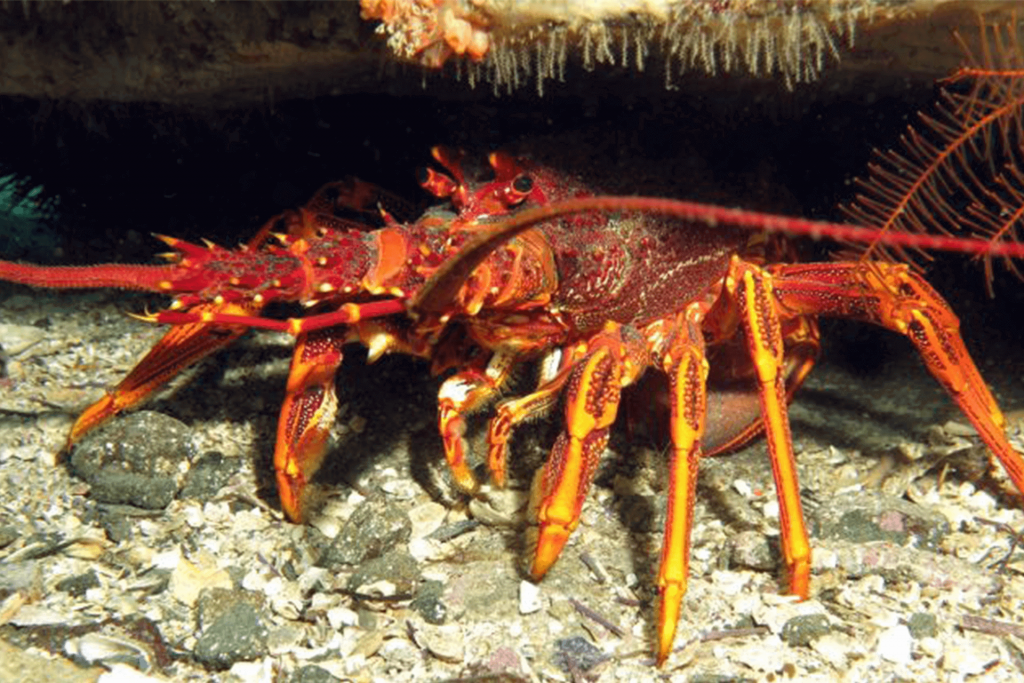
Tasmania’s 2023/24 rock lobster and abalone season saw high participation and strong catch satisfaction among recreational fishers, especially on the East Coast. IMAS researchers found signs of stock stability and effective management, with calls to improve catch reporting through the Fishing Tas app to support long-term sustainability.
‘Keep it nice, put it on ice’: IMAS scientist urges safe seafood practices for Food Safety Week
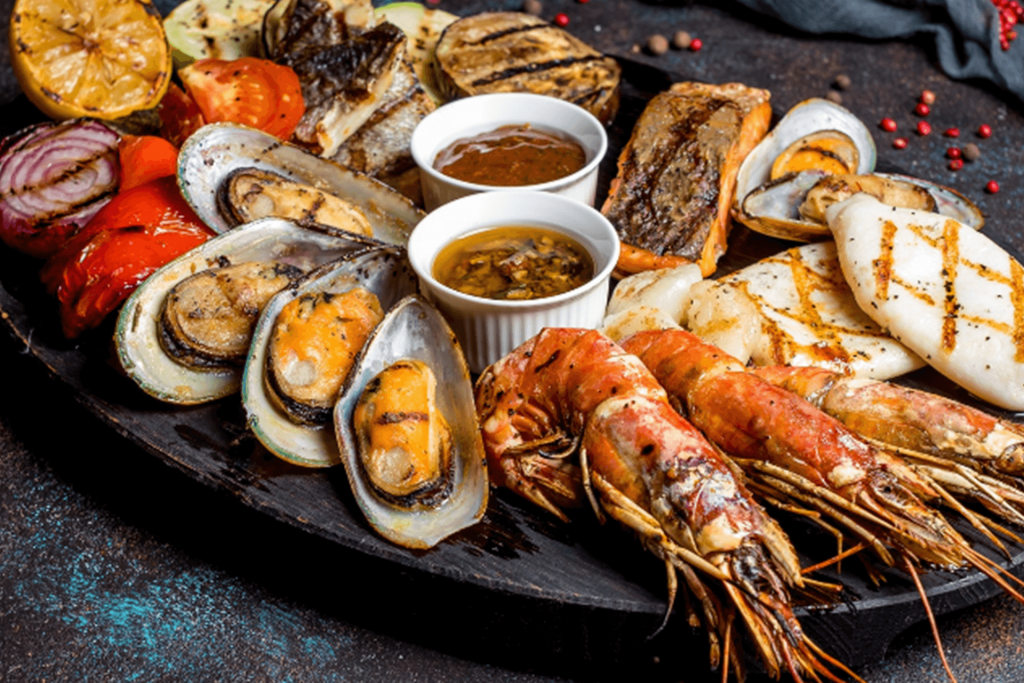
IMAS researcher Dr Alison Turnbull urges Australians to handle seafood safely during Food Safety Week, stressing refrigeration, proper cooking, and label reading to reduce risks like Listeria, especially for vulnerable individuals.
IMAS scientists cast line to capture recreational fishing trends
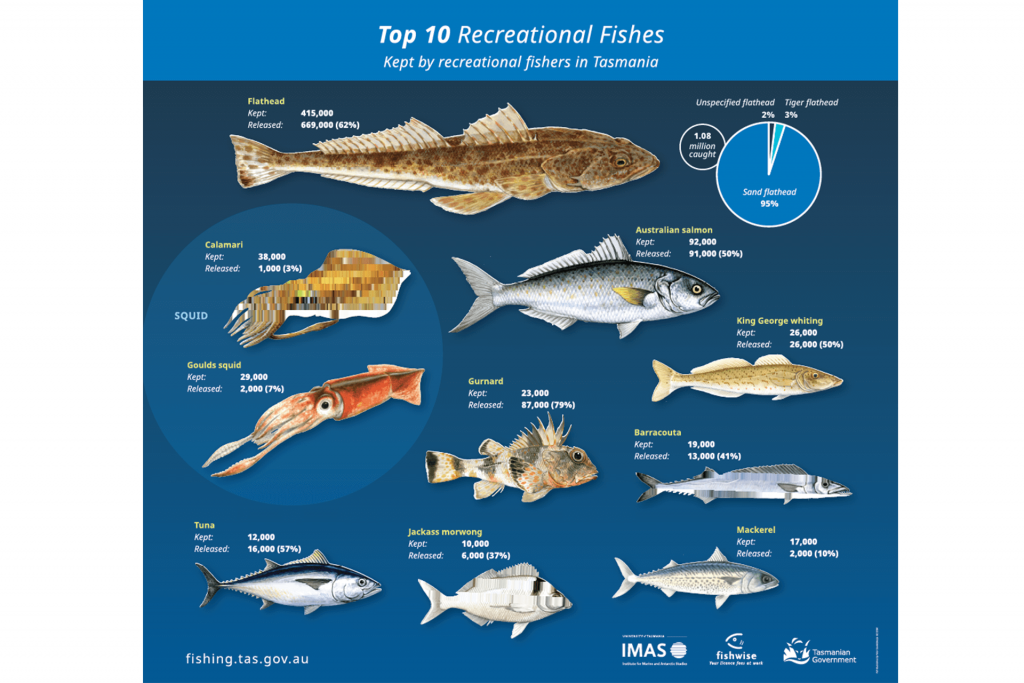
Around one in four Tasmanians went recreational fishing in 2022–23, marking the highest participation rate in over 20 years. While most fishers go out infrequently, their collective impact is significant—prompting experts like Professor Sean Tracey from IMAS to highlight the importance of sustainable practices as the recreational sector now rivals commercial harvests for key species.
Size matters: why fish size diversity is vital for healthy oceans
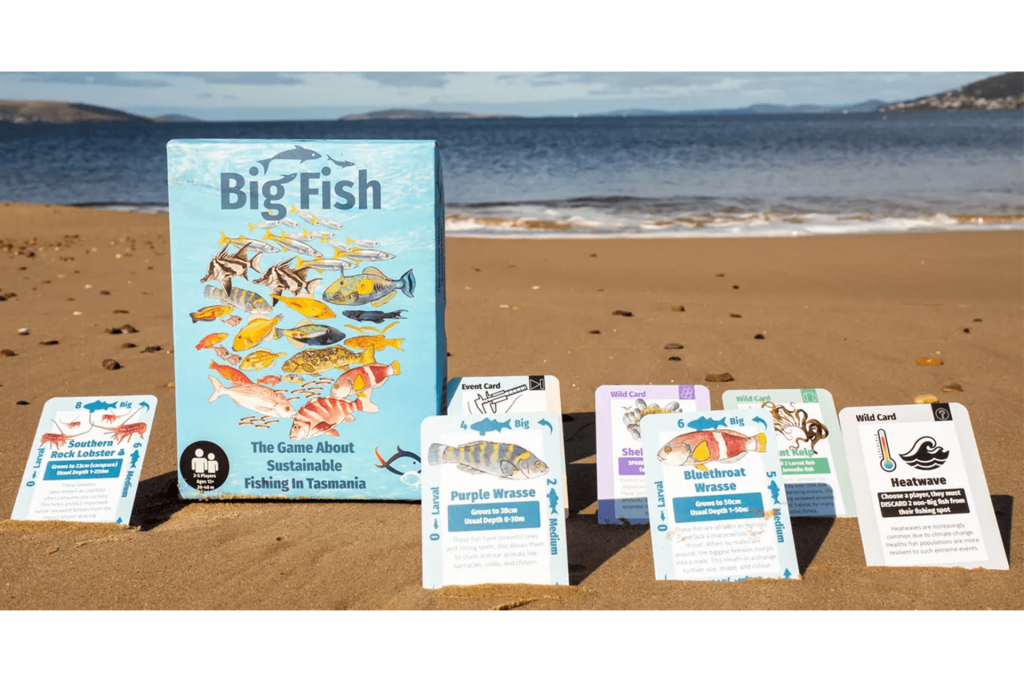
Overfishing has reduced the size and age of fish populations, weakening marine ecosystems and food security. Dr Asta Audzijonyte is leading efforts to restore fish size diversity through research, marine protection, and community engagement—including a new educational card game.
Taking stock of assessments for sustainable fisheries
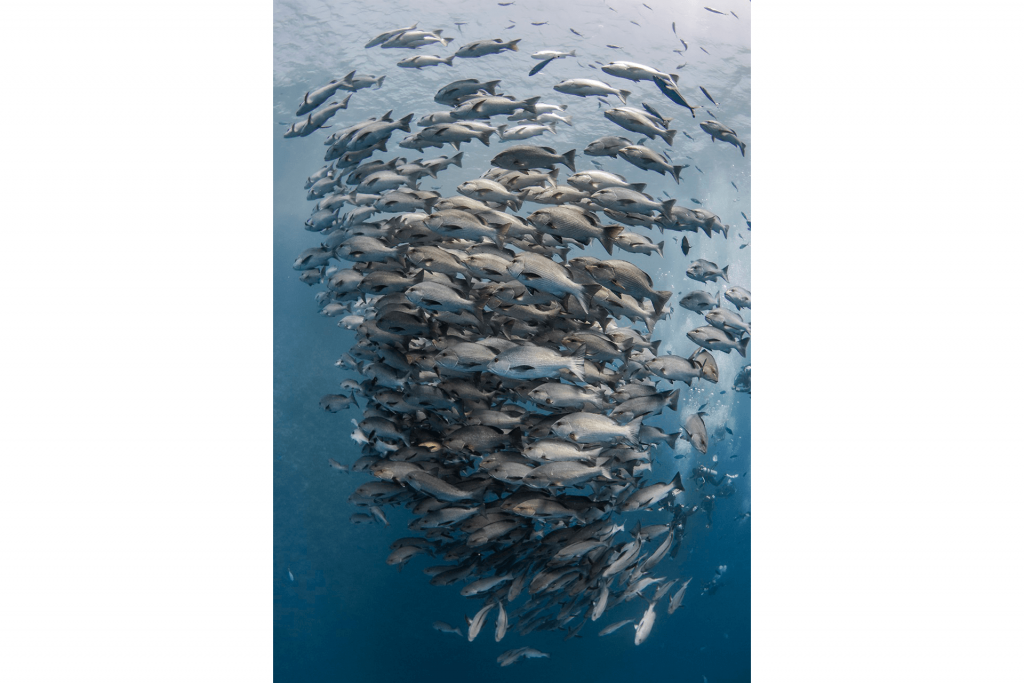
A new global study led by IMAS has found that fishery stock assessments frequently overestimate fish population health, especially for overfished stocks—by an average of 11.5%. The findings call for more cautious, independently verified approaches to fisheries management to ensure long-term sustainability and food security.
Tasmanian fisheries forensics technology set to improve global catch management
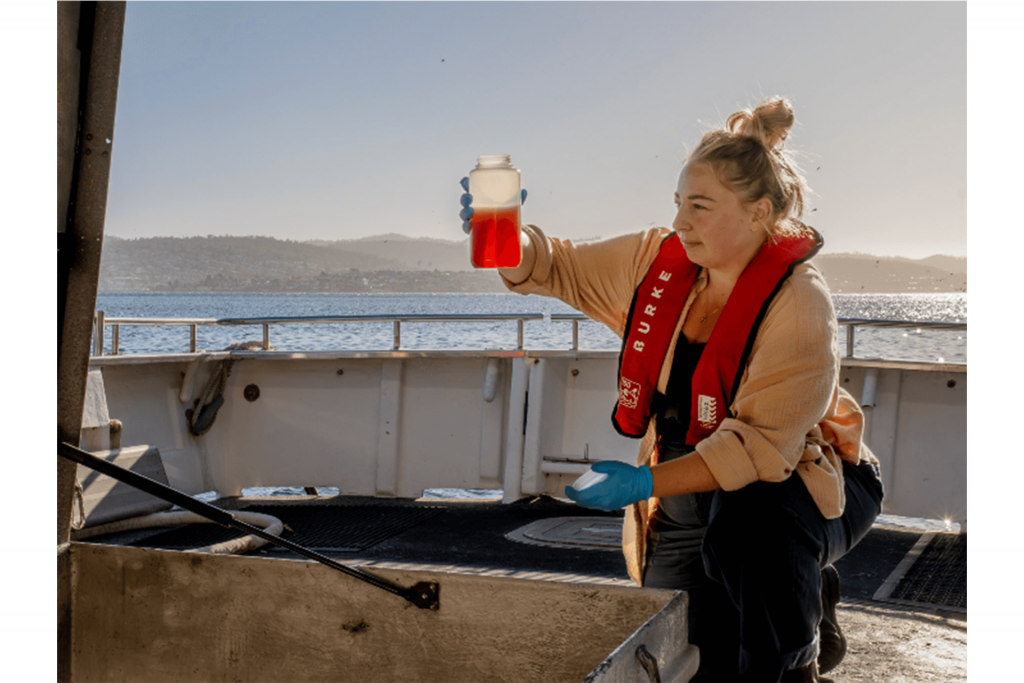
With an ever-increasing hunger for seafood globally, finding low-cost but effective ways of monitoring catches has never been more important to ensure sustainability.
Sea Change Australia project
Sea Change: co-developing pathways to mitigate and adapt to a changing climate for fisheries and aquaculture in Australia