Turning climate science into action for Australia’s seafood sector
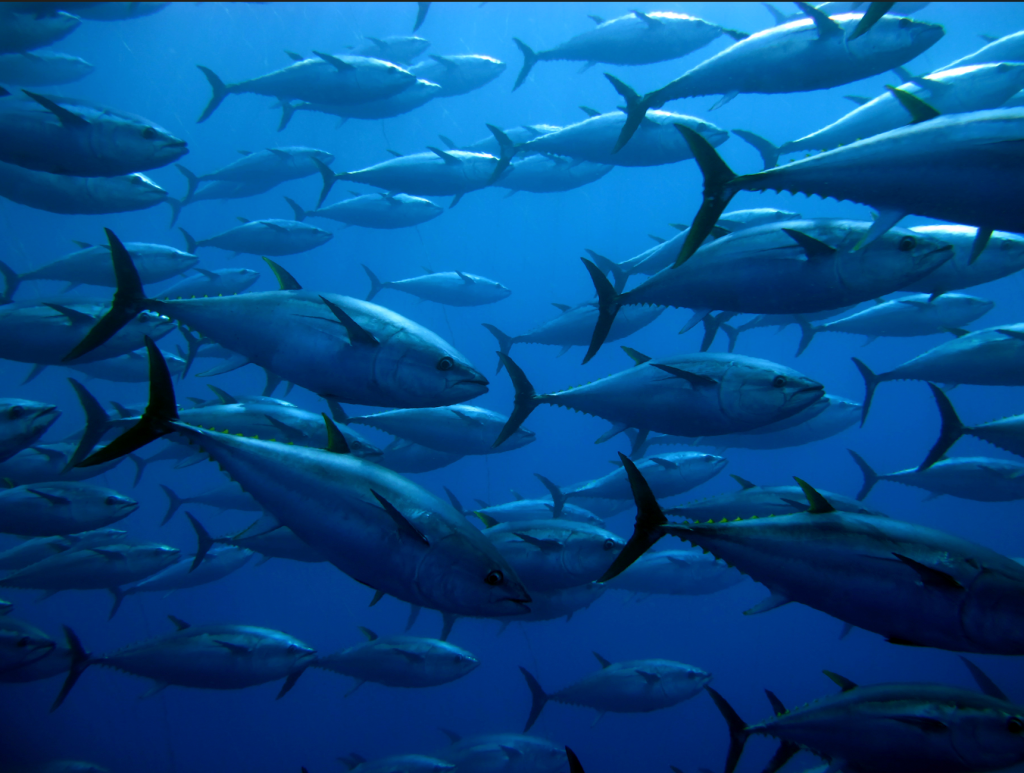
As climate change continues to reshape Australia’s oceans, one challenge remains consistent: how do we translate complex climate science into information that is genuinely useful for decision-makers and industry on […]
South Australia unveils major $102.5 million community program to boost marine recovery
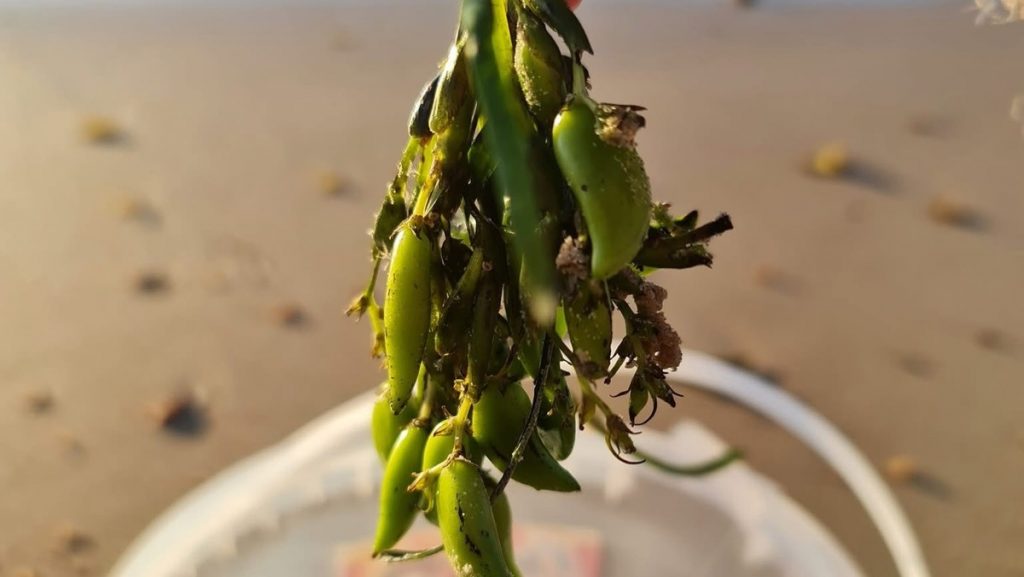
The South Australian Government has unveiled a major $102.5 million initiative aimed at accelerating marine ecosystem recovery following this year’s severe algal bloom, with a strong focus on empowering communities […]
Aquaculture for the future webinar series: #1 Climate Considerations for WA Aquaculture

Aquaculture for the future webinar series: #1 Climate Considerations for WA Aquaculture. Tuesday 28th October 12 – 1pm (AWST)
Copernicus Ocean State Report 9 (2025)
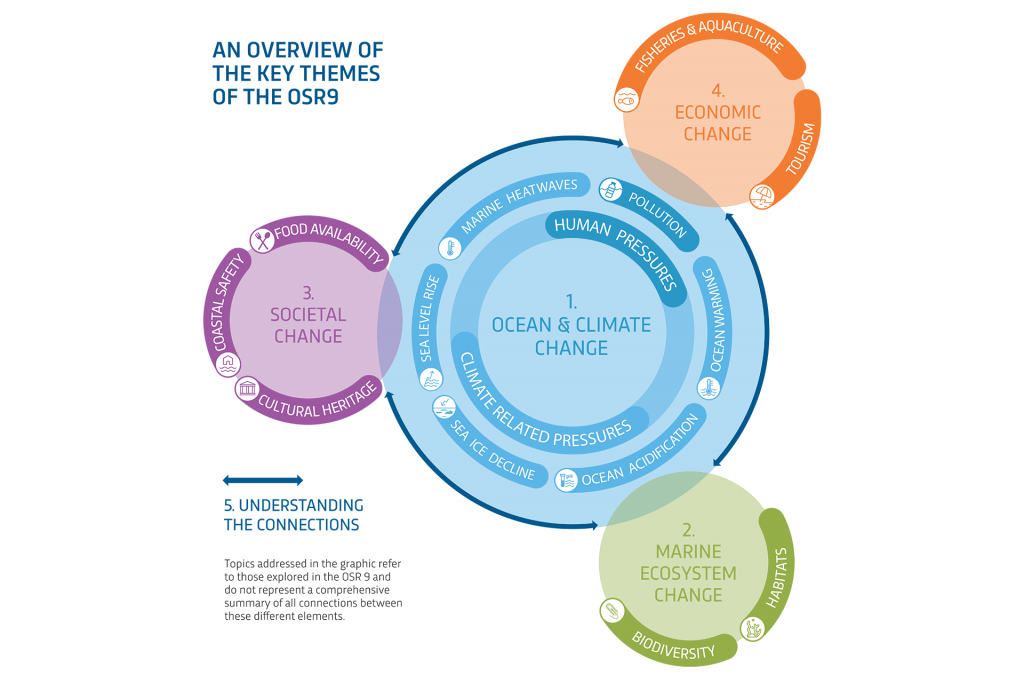
The latest Copernicus Ocean State Report provides an international example showing that record ocean heatwaves in 2023–2024 are reshaping marine ecosystems and disrupting fisheries and aquaculture worldwide. Warmer waters, rising seas, and acidification are driving species shifts, invasive outbreaks, and production losses, such as the collapse of clam farming in Italy’s Po River delta. The report highlights the urgent need for climate-ready management to protect seafood industries and coastal communities.
South Australian and Federal Governments announce the details of the $102.5 million Algal Bloom Summer Plan
The $102.5 million Algal Bloom Summer Plan delivers targeted relief and long-term recovery for South Australia’s fisheries and aquaculture sector, including grants of up to $150,000, fee relief, and new R&D funding. Backed by major habitat restoration and real-time ocean monitoring, the plan aims to restore marine ecosystems, protect seafood industries, and build resilience against future algal events.
Warming seas fuel mercury risks
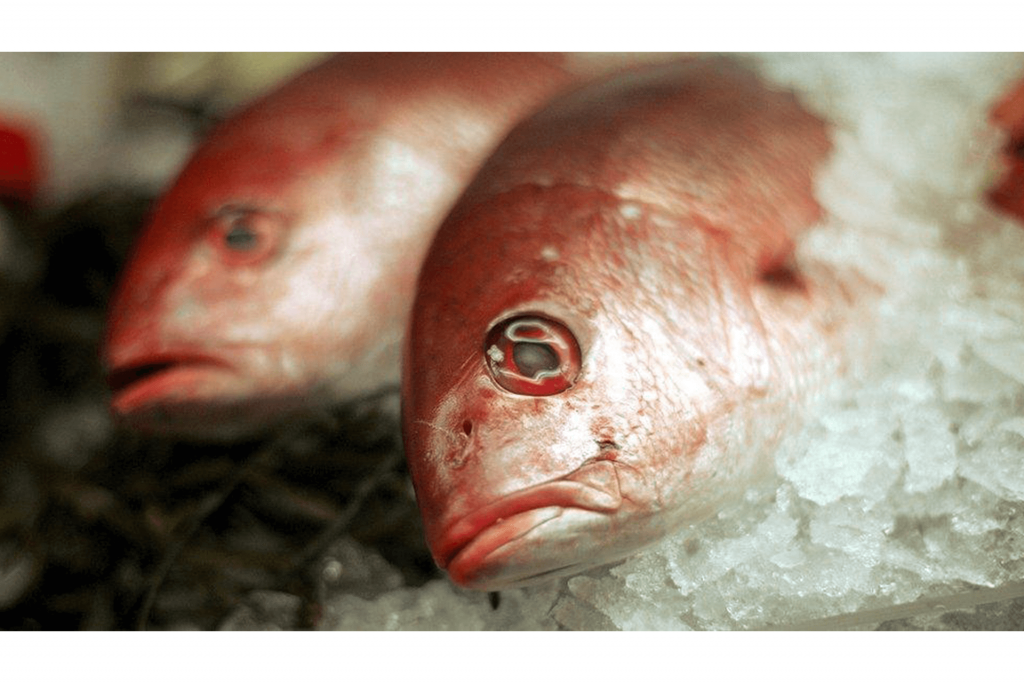
New research shows that warming oceans may make seafood more toxic — not by adding mercury, but by reducing oxygen. As low-oxygen zones expand, microbes that convert mercury into its most harmful form, methylmercury, can thrive. This climate-driven process could increase toxin levels up the food chain, from plankton to people.
What planting tomatoes can teach as about climate change
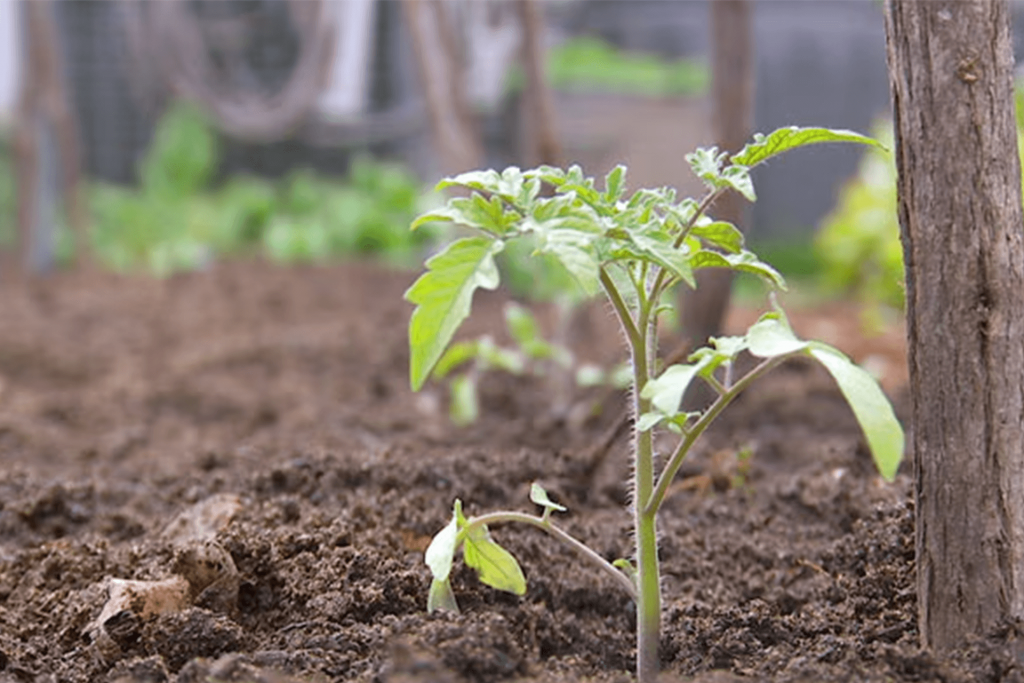
From backyard gardens to our southern seas, the seasons are on the move. Earlier springs, hotter summers, and shifting species show how climate change is reshaping Tasmania’s land and ocean life alike.
ABC – Red alert in the climate engine room
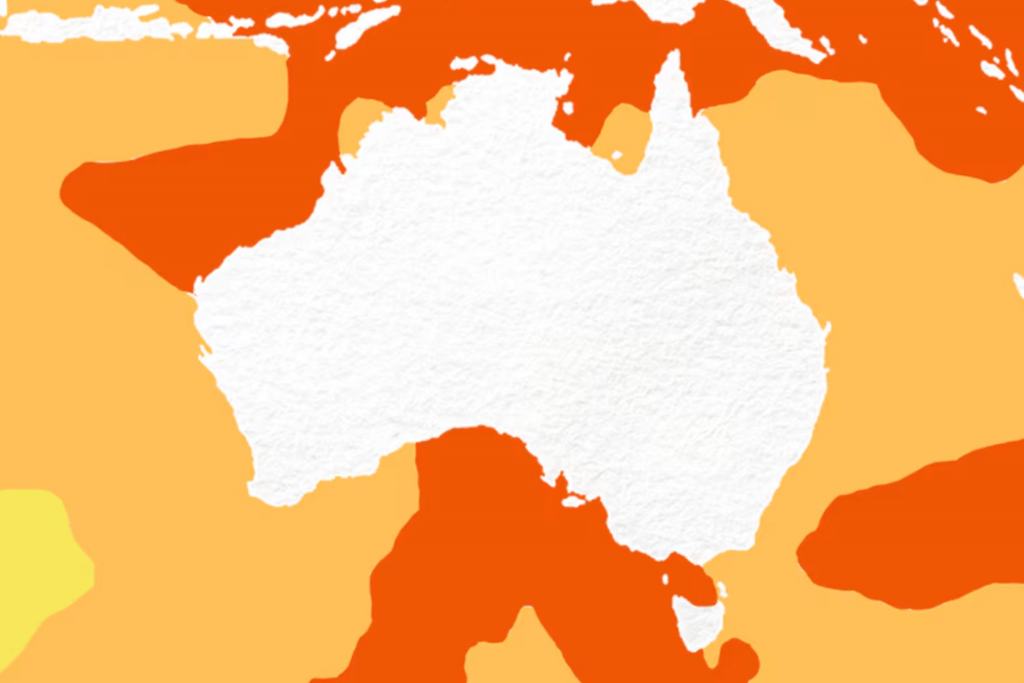
Australia’s record-hot oceans have driven extreme weather, from floods and cyclones to mass coral bleaching and toxic algal blooms, showing how warming seas are reshaping both climate and ecosystems.
Tasmania’s coastal waters and seas survey 2025 – CSIRO
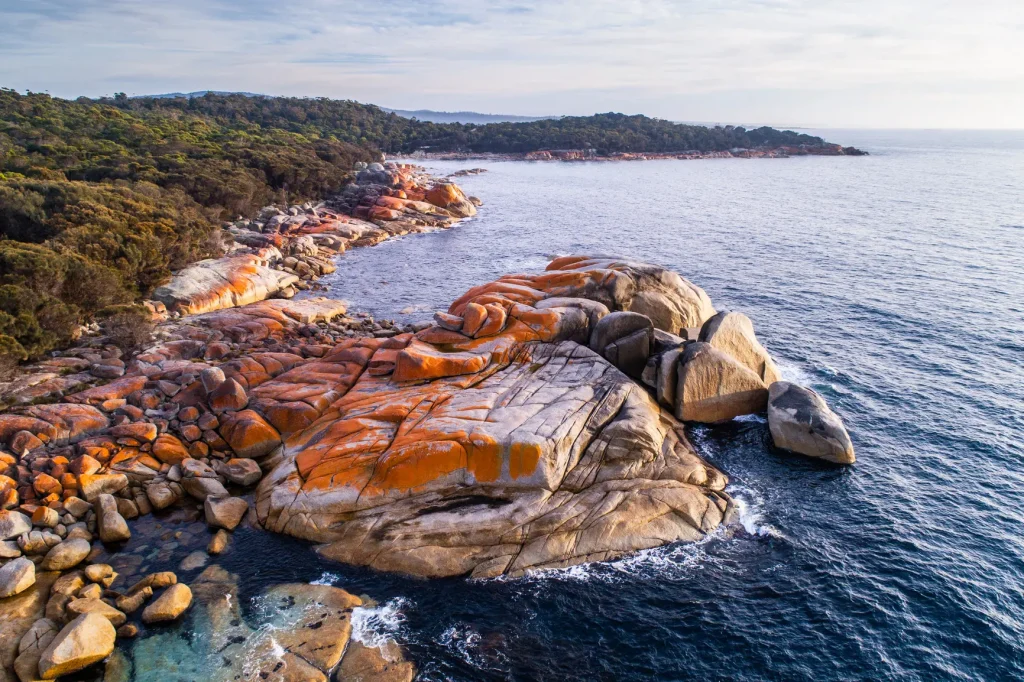
Summary of key findings Tasmania’s coastal waters and seas are central to the Tasmanian way of life. Participants recognise their importance as a place of natural and scenic beauty (98%), […]
Climate Risks to Australian Fisheries & Aquaculture
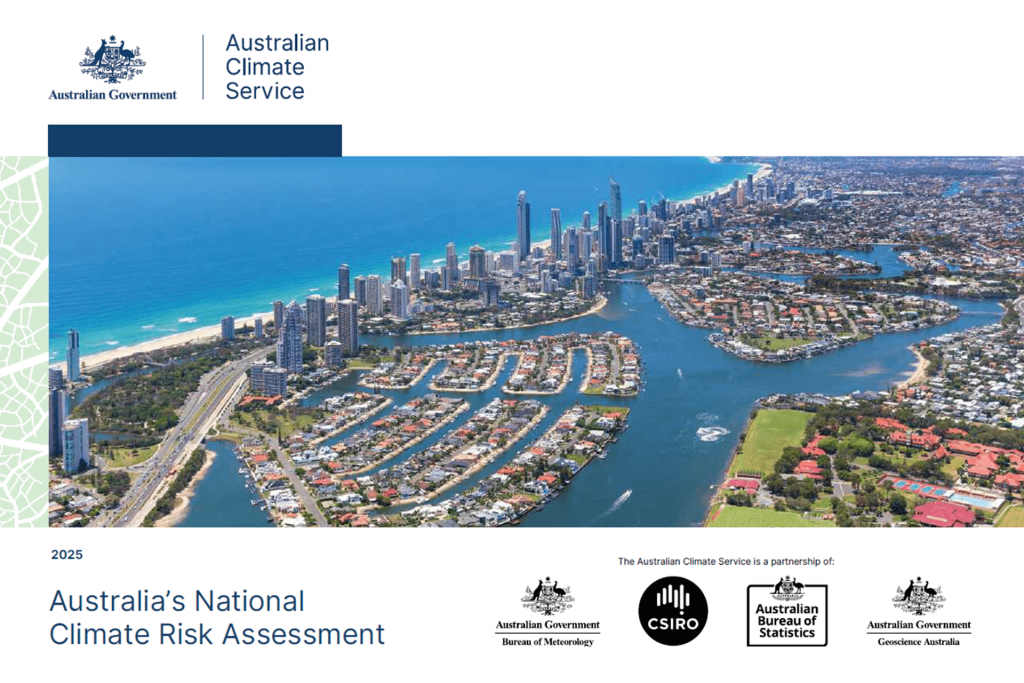
Summary of the key findings from the 2025 National Climate Risk Assessment in relation to Fisheries and Aquaculture