Northern Australian Climate Briefing – FRDC
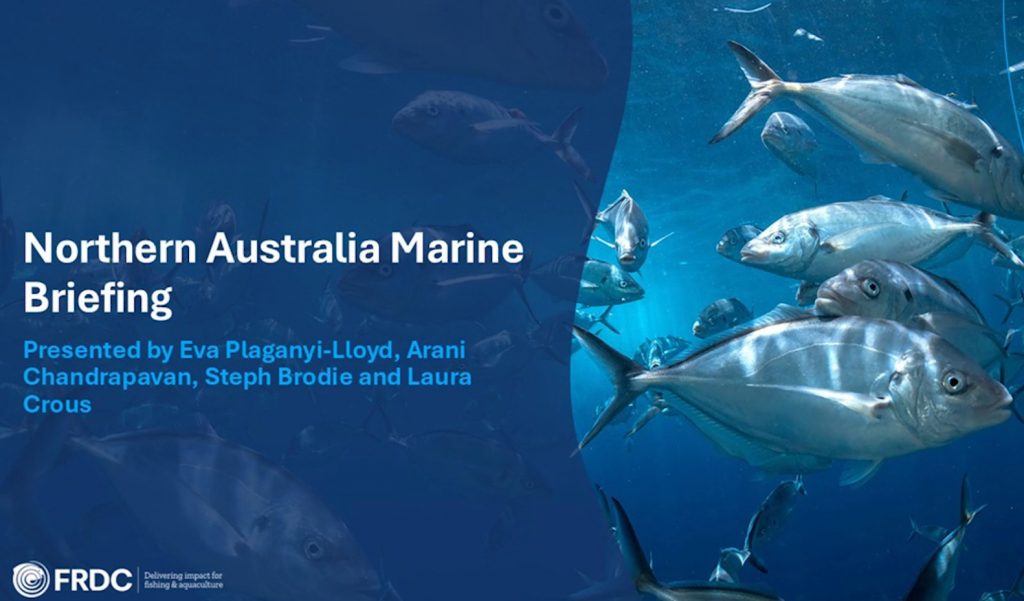
The Northern Australia Marine Climate Briefing, conducted on behalf of CSIRO and the Fisheries Research and Development Corporation (FRDC), complements the national climate briefings with a dedicated focus on climate […]
Resilient corals offer insights for reef adaptation
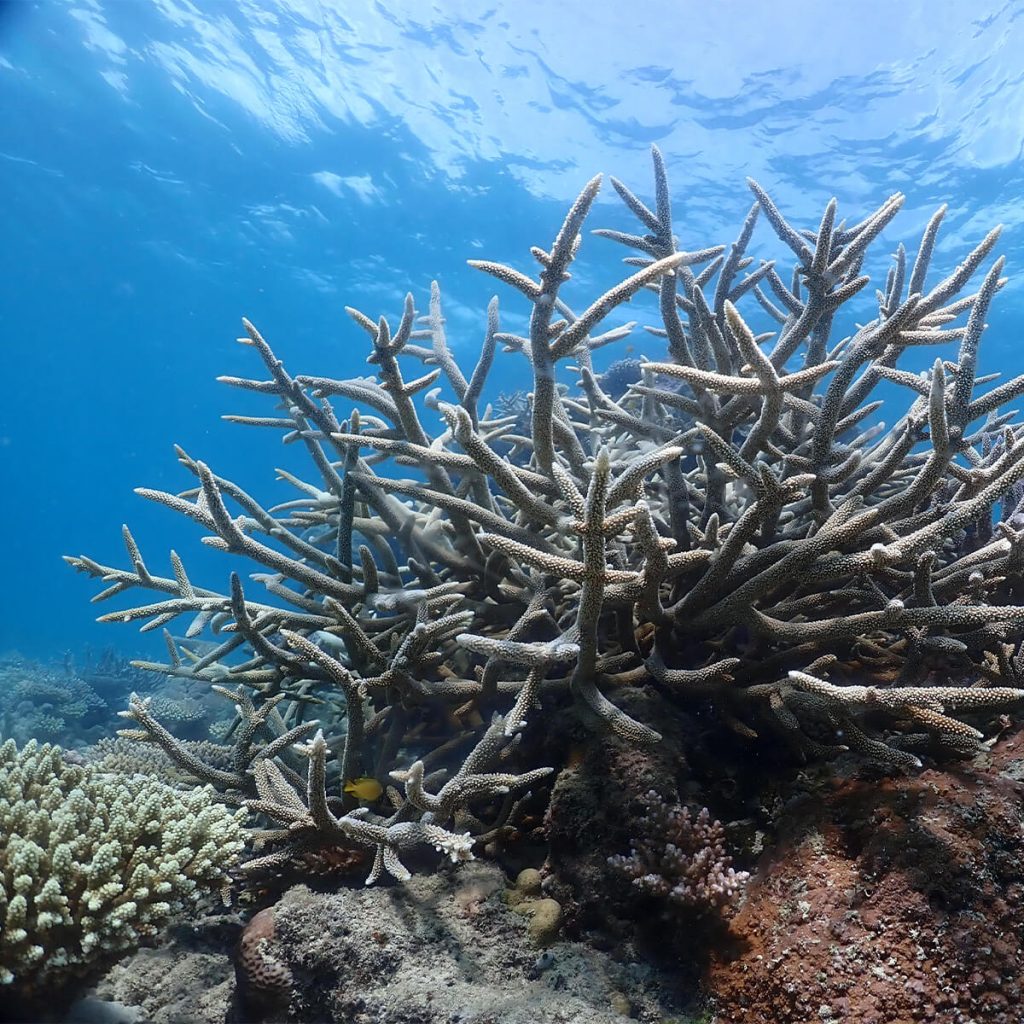
Research from the University of Amsterdam shows that corals living in extreme coastal bays with fluctuating temperatures and environmental conditions are more resilient to heat and other stressors than their […]
Three-Year Heatwave Bleaches Half the World’s Coral Reefs
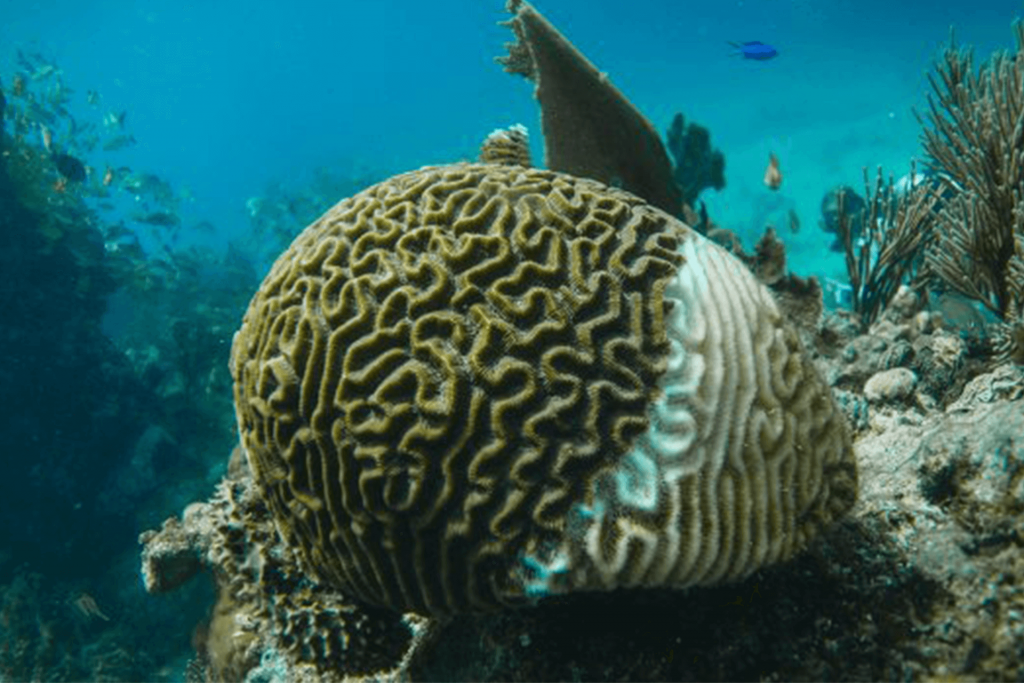
A global study has revealed that more than half of the world’s coral reefs were bleached between 2014 and 2017, in what scientists are calling the “Third Global Bleaching Event.” […]
World’s First Underwater Podcast to Showcase WA Seagrass
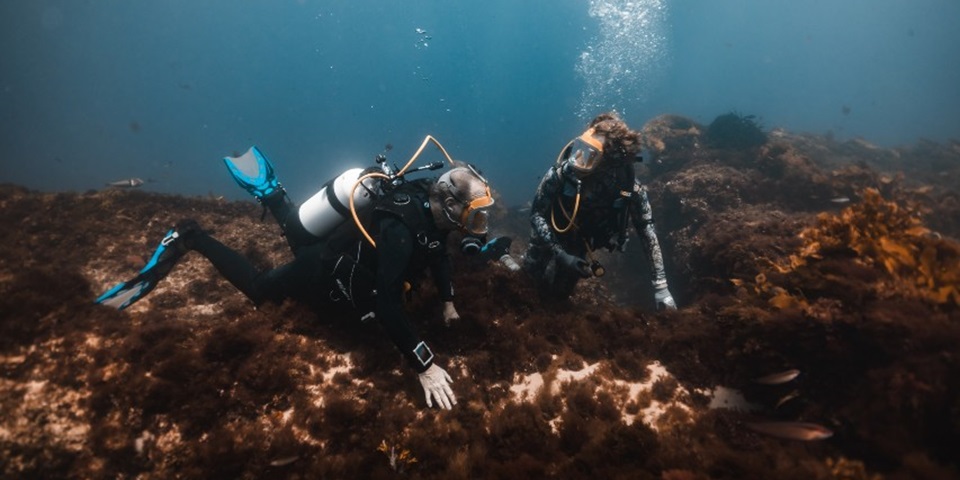
Schools, students, and the public are invited to a world-first live underwater podcast from a seagrass meadow off Western Australia to mark World Seagrass Day. The one-hour broadcast on 27 […]
Global fishing pressures driving declines in fish growth
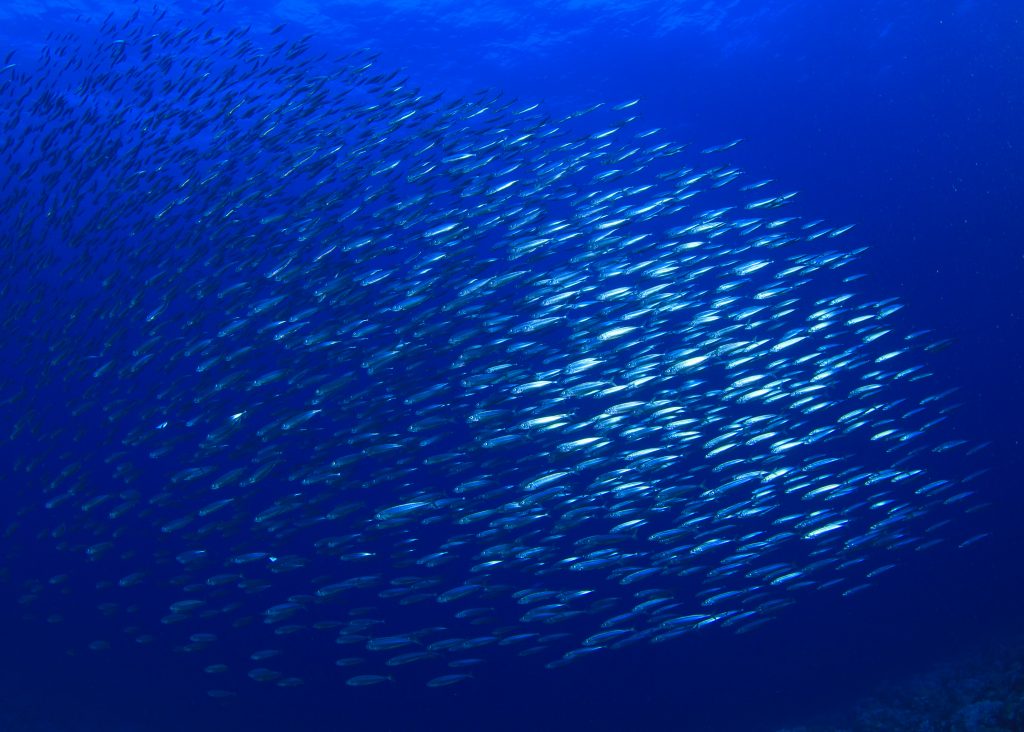
A new global study shows that human activities, particularly overfishing, have caused significant declines in the growth performance of marine fish over the past century. Researchers analyzed 7,683 growth curves […]
Ban on sand flathead fishing in south-eastern Tasmania amid severe decline in numbers
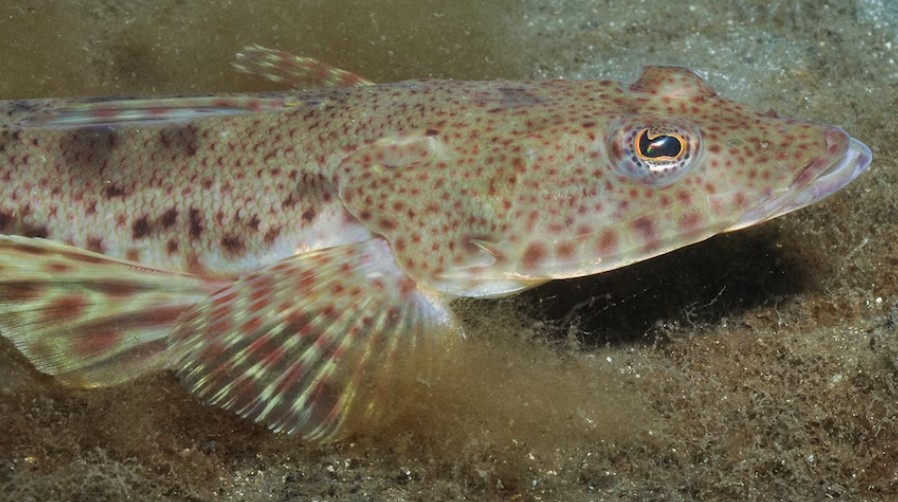
The Tasmanian Government will temporarily ban recreational fishing for sand flathead in south-eastern Tasmania from 1 March 2026 after scientists confirmed the population has severely declined to about 5% of […]
New paper: Did Australian policy prepare for a harmful algal bloom with significant human health impacts? Analysis and lessons from South Australia
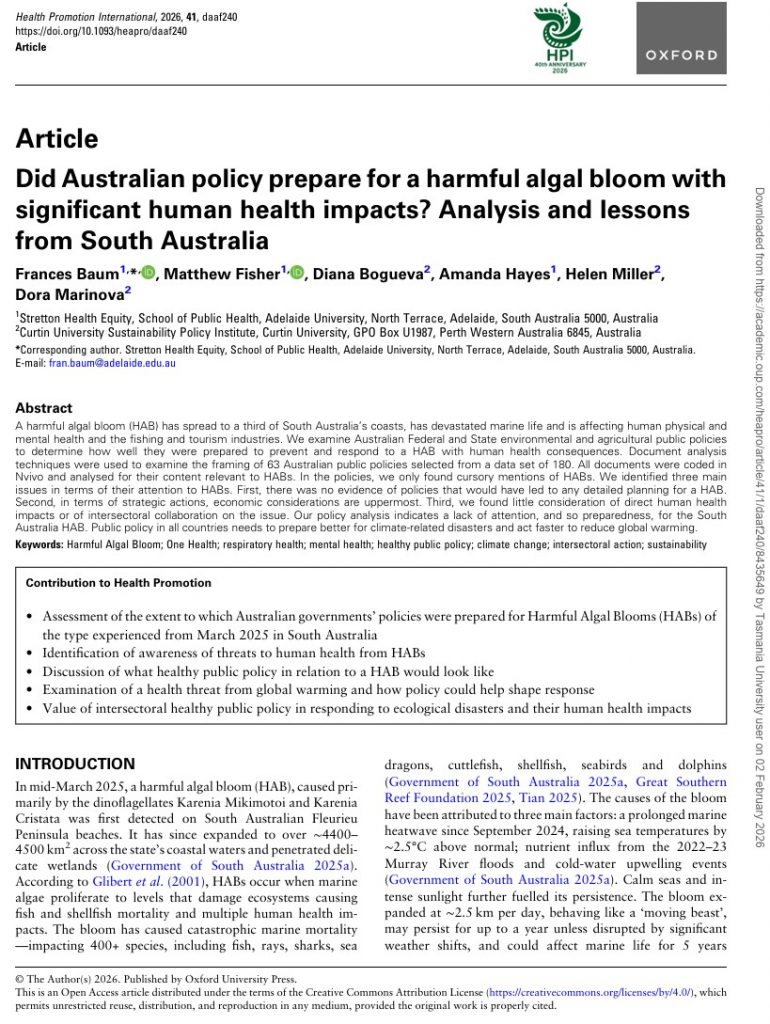
A new paper out in the Journal of Health Promotion International examines whether Australian federal and state policies were prepared to prevent or respond to a harmful algal bloom (HAB) […]
Student’s Research on Ocean Perch Could Help Prevent Fishing Depletion
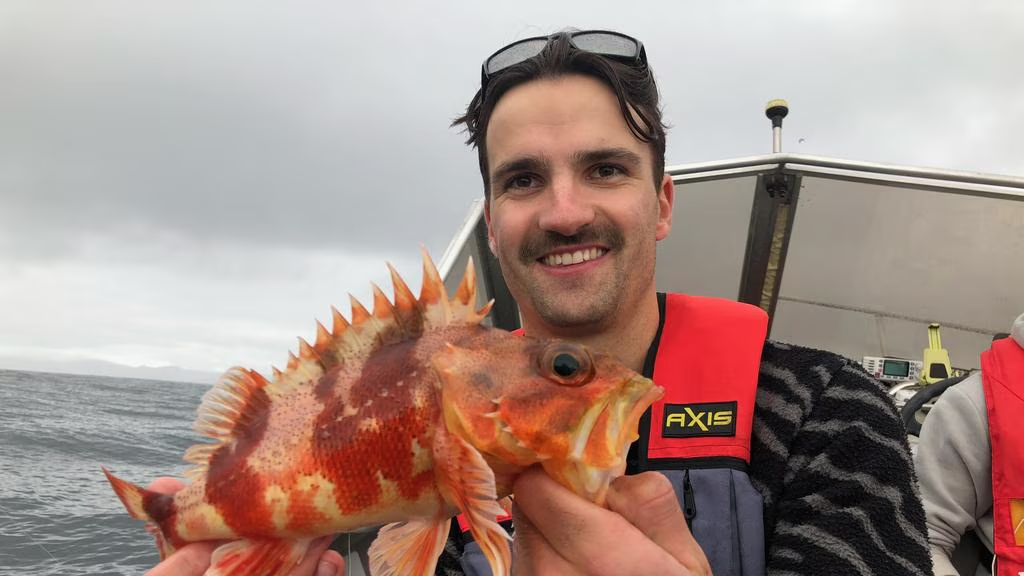
Tasmanian honours student Nic Shelverton has conducted award-winning research on Ocean perch, a popular but understudied species in Tasmania’s recreational fisheries. His work at the Institute for Marine and Antarctic […]
FRDC: Changing fish tips the scales on stock models
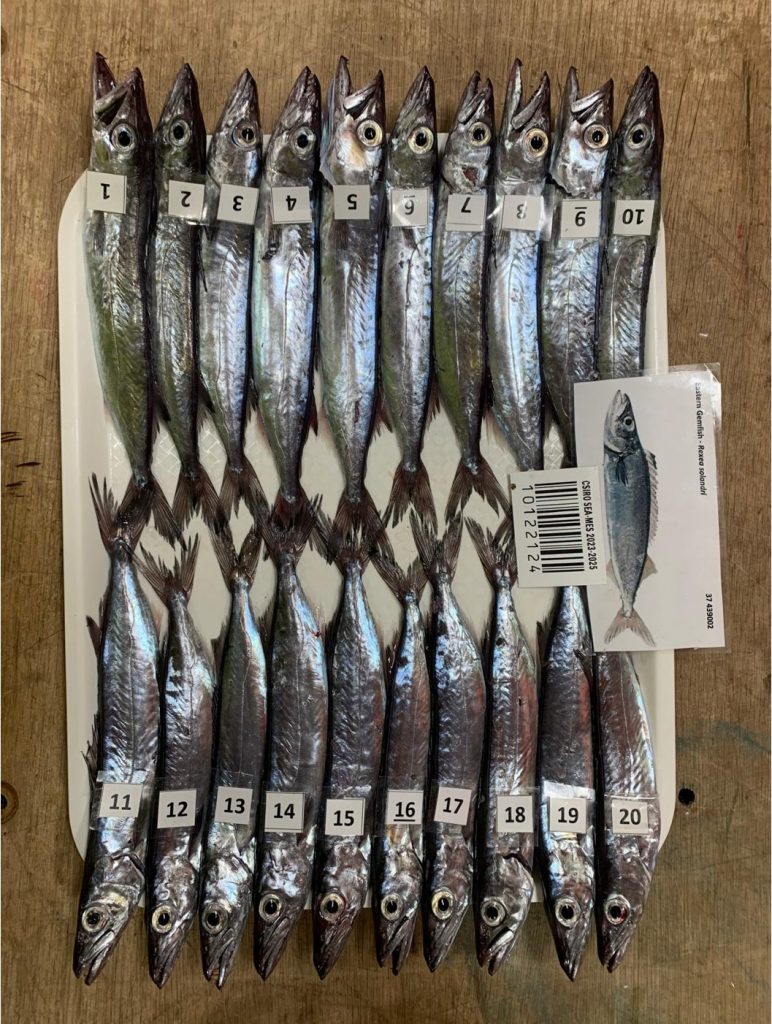
New research led by CSIRO Chief Research Scientist and Sea Change Australia’s Dr Alistair Hobday is reshaping how fisheries are assessed in southeast Australia, one of the world’s fastest-warming ocean […]
FRDC Climate Briefing – December 2025
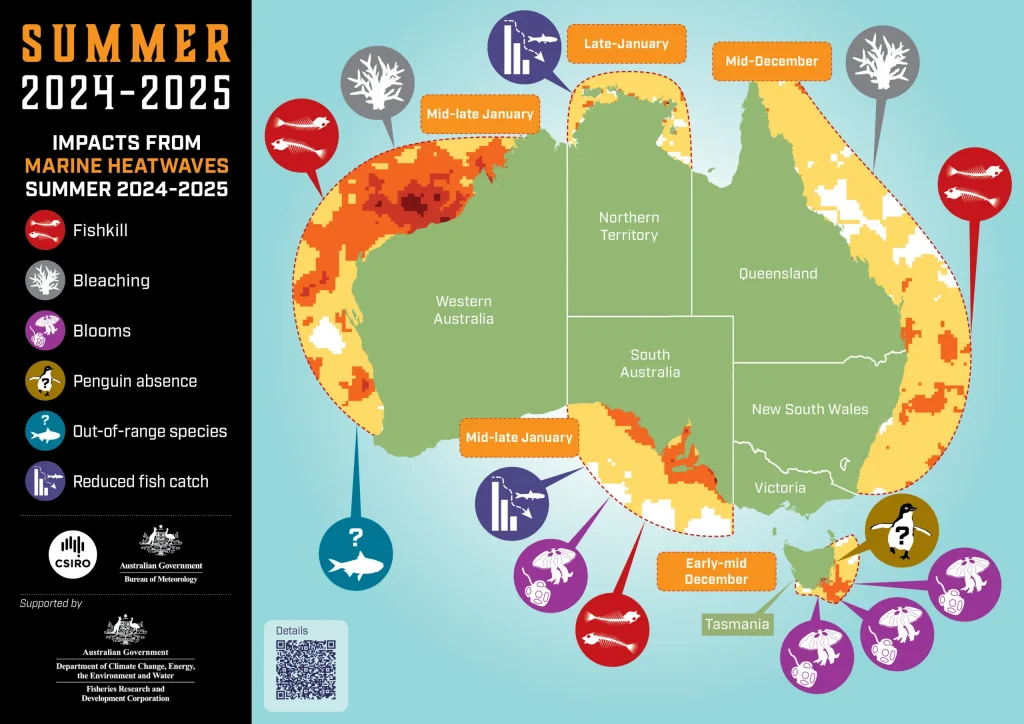
Find the latest Climate Change Briefing from Alistair Hobday (CSIRO) and Claire Spillman (Bureau Of Meteorology). In partnership with FRDC, they present national marine climate outlook briefings over the upcoming […]