SA’s ongoing harmful algal bloom labelled ‘cultural emergency’ by First Nations groups – ABC
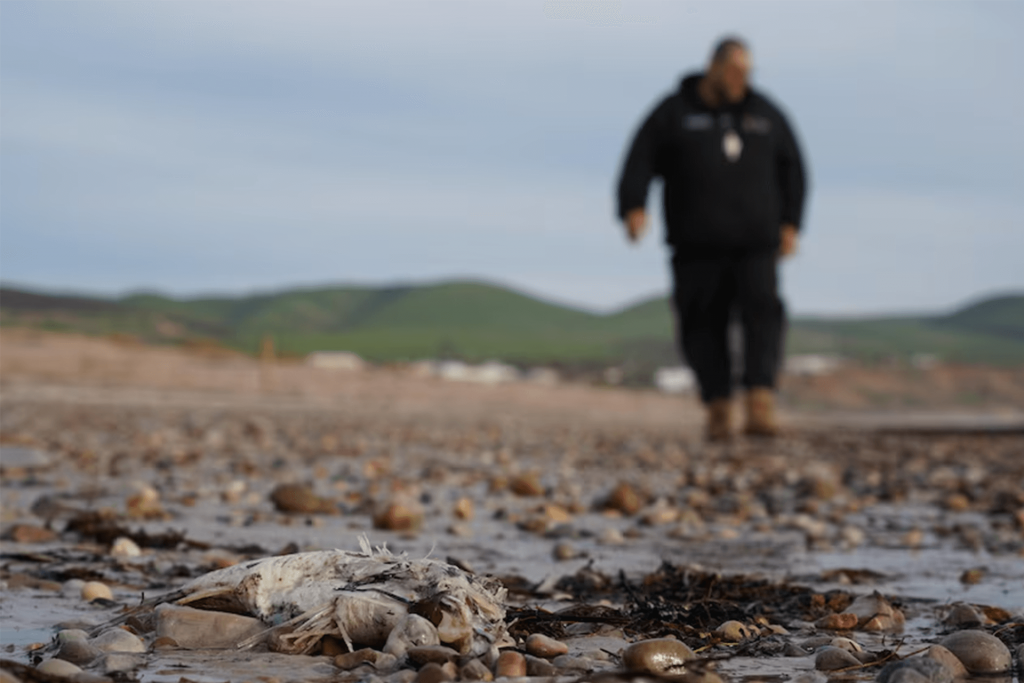
South Australia’s harmful algal bloom has been declared a “cultural emergency” by First Nations groups, who warn it is devastating marine species, disrupting traditional practices, and highlighting the need for Indigenous-led management in the face of climate-driven coastal crises.
Major SA seafood business reveals multimillion-dollar algal bloom hit – INDAILY
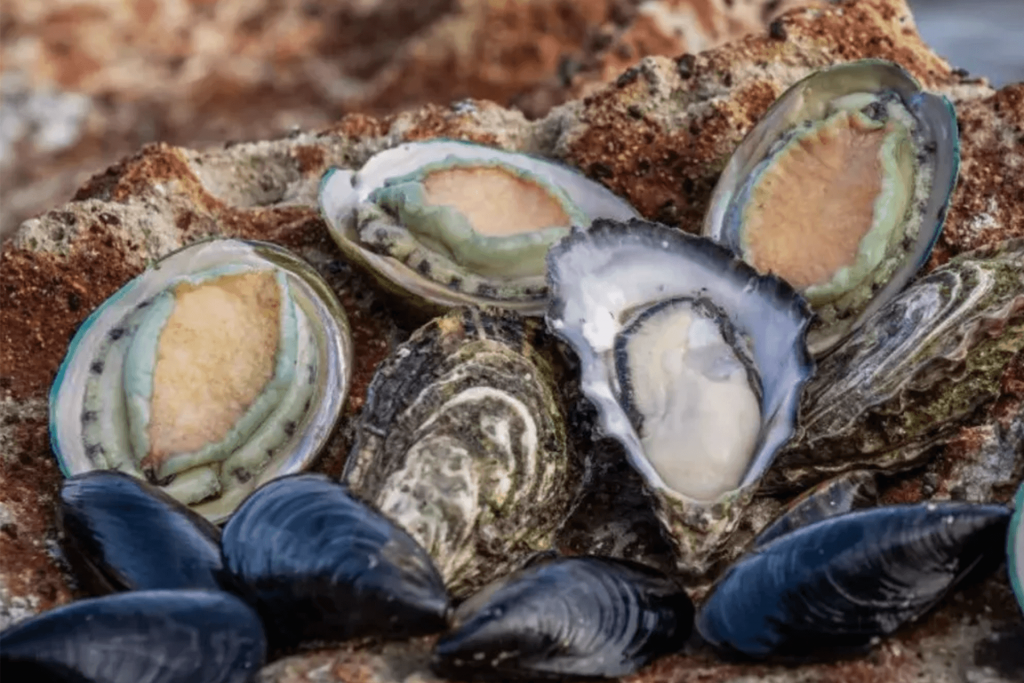
South Australian seafood giant Yumbah Aquaculture has reported $5 million in losses and staff stand-downs from the algal bloom crisis, urging government co-investment to help the aquaculture industry build long-term resilience.
Sea Change Australia Project Featured in Western Angler

Sea Change Australia is featured in the Spring 2025 issue of Western Angler!
Seafood workers left without a job due to harmful algal bloom will be given a chance to help clean up
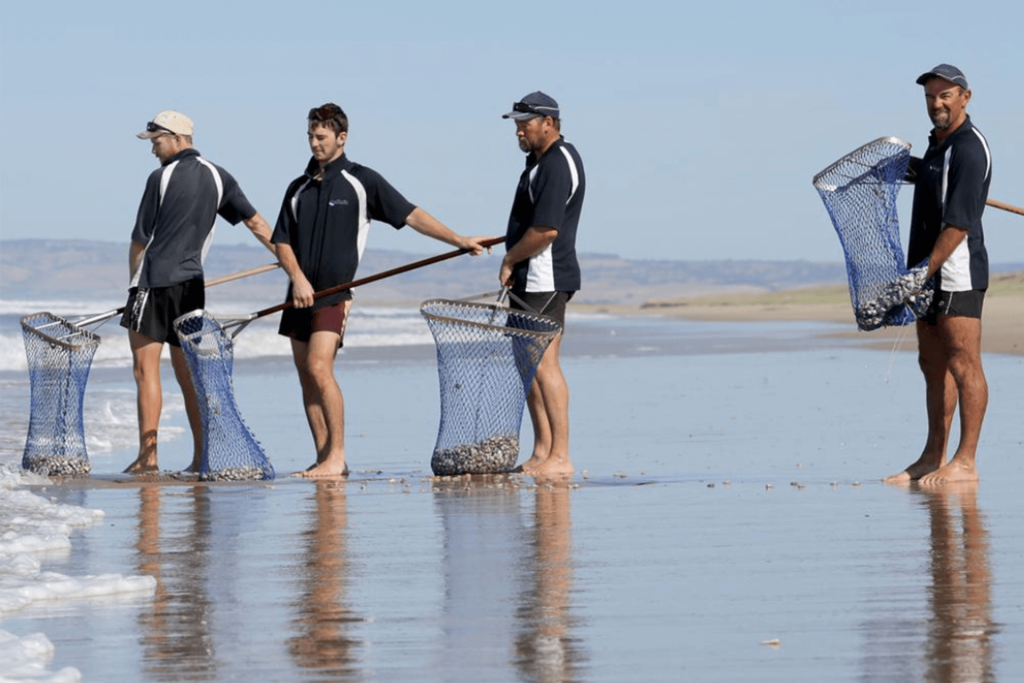
South Australian seafood workers sidelined by the harmful algal bloom are being redeployed to clean local beaches, as a parliamentary inquiry investigates the crisis
New Trans-Tasman Network on Harmful Algal Blooms Established
A new Australian and New Zealand Marine Harmful Algal Bloom (HAB) Network has been established to strengthen collaboration and information sharing on harmful algal blooms across the region.
Climate change will increase labour risks in fisheries, study warns
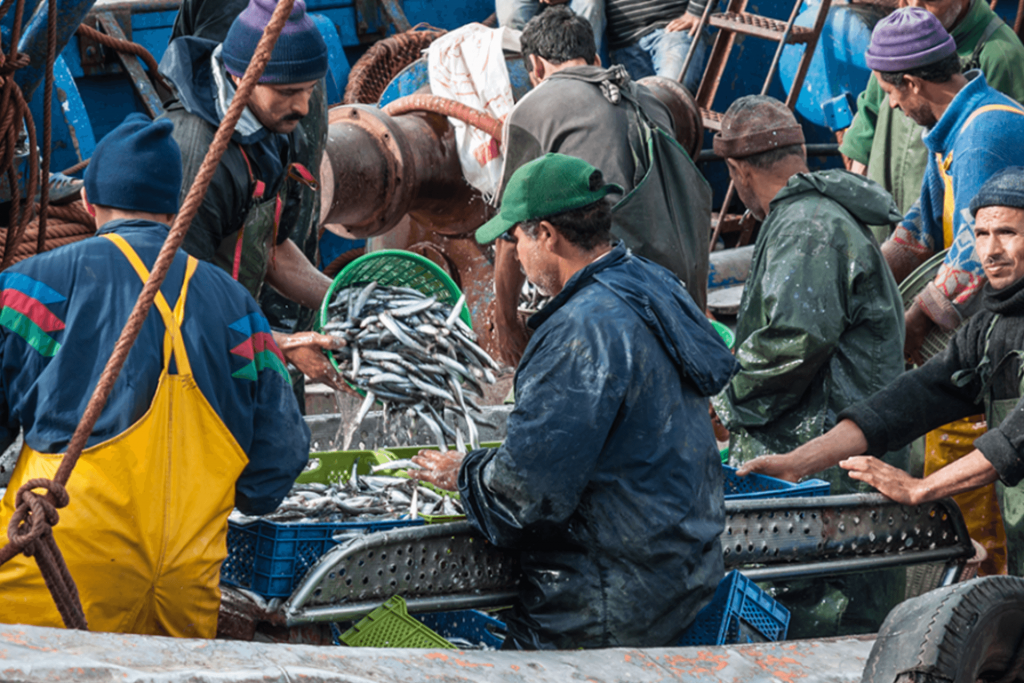
A new study warns that climate change will worsen risks for fishers, from harsher storms and extreme heat to longer, more exhausting trips at sea. Combined with weak labor protections and forced labor risks, these pressures could deepen inequities across global fisheries. The authors call for urgent cross-sector policy action to protect workers’ safety, wellbeing, and rights.
An iron in the fire: How iron sulfide could turn fish farms into climate solutions
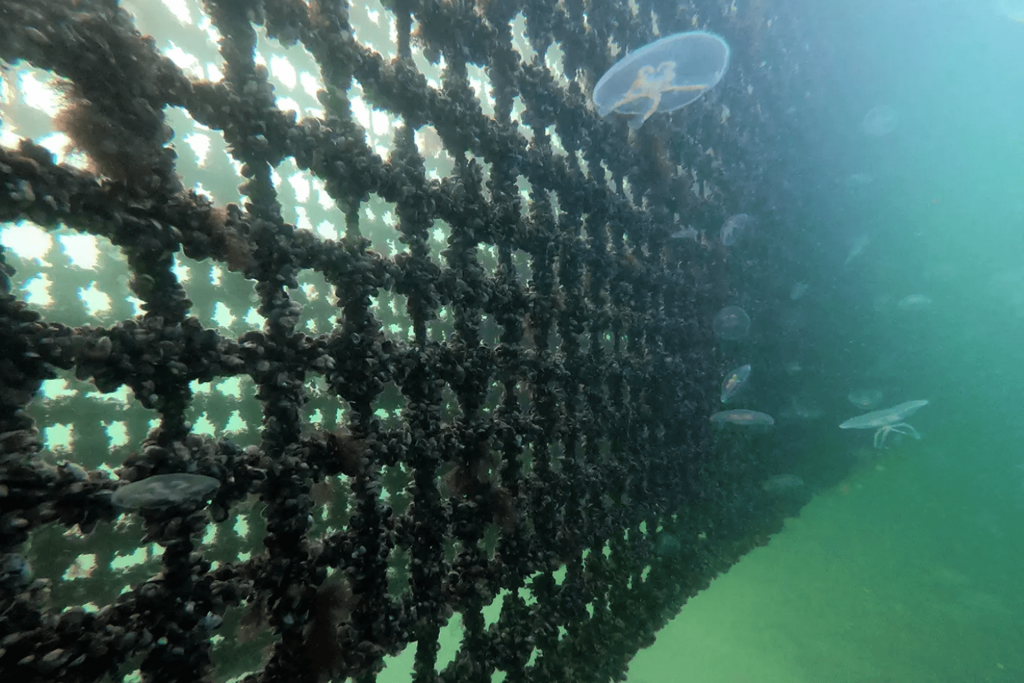
Fish farms may hold untapped potential in the fight against climate change. New research suggests that iron enrichment in aquaculture could neutralize toxic gases while capturing millions of tons of CO₂ each year, offering farmers both environmental and economic benefits.
The comeback of Queensland’s Native Oyster – FRDC
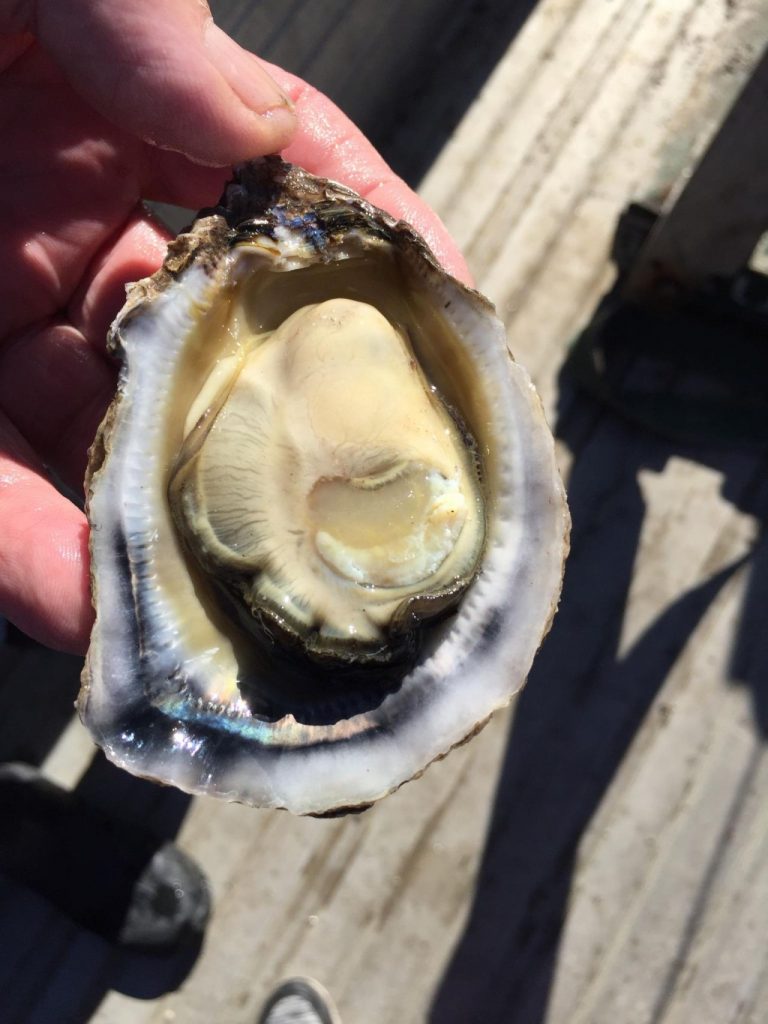
Queensland’s oyster industry, long challenged by disease and climate pressures, is being revitalised through a bold aquaculture project. Researchers are trialling two native tropical species – the Blacklip Rock Oyster and the newly named Queensland Sunshine Oyster – which show strong resistance to QX disease, faster growth rates, and greater climate tolerance than Sydney Rock Oysters. With hatchery challenges overcome and early results from growers looking promising, these tropical oysters could reshape the future of farming along Queensland’s coast.
How could we clean up the algal bloom? The Conversation
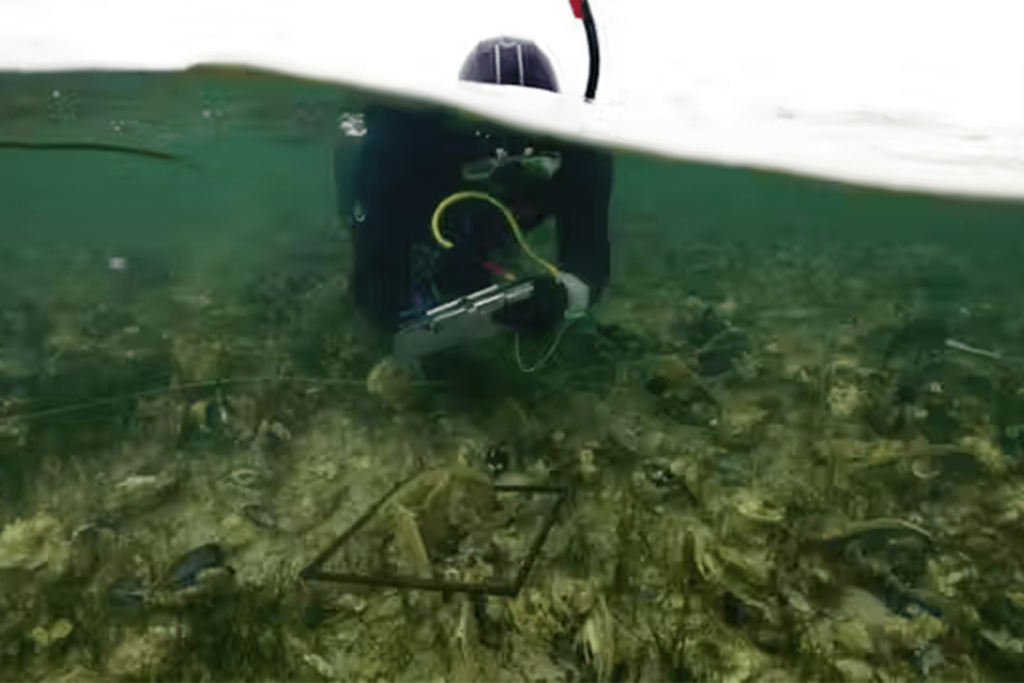
South Australia is battling a massive harmful algal bloom driven by climate change, nutrient runoff, and habitat loss. While large-scale fixes are unfeasible, restoring oyster reefs and seagrass meadows – nature’s “kidneys and immune system” – offers hope for long-term resilience.
Safe no more: off-the-charts marine heat has severely damaged Ningaloo and other pristine coral reefs – The Conversation
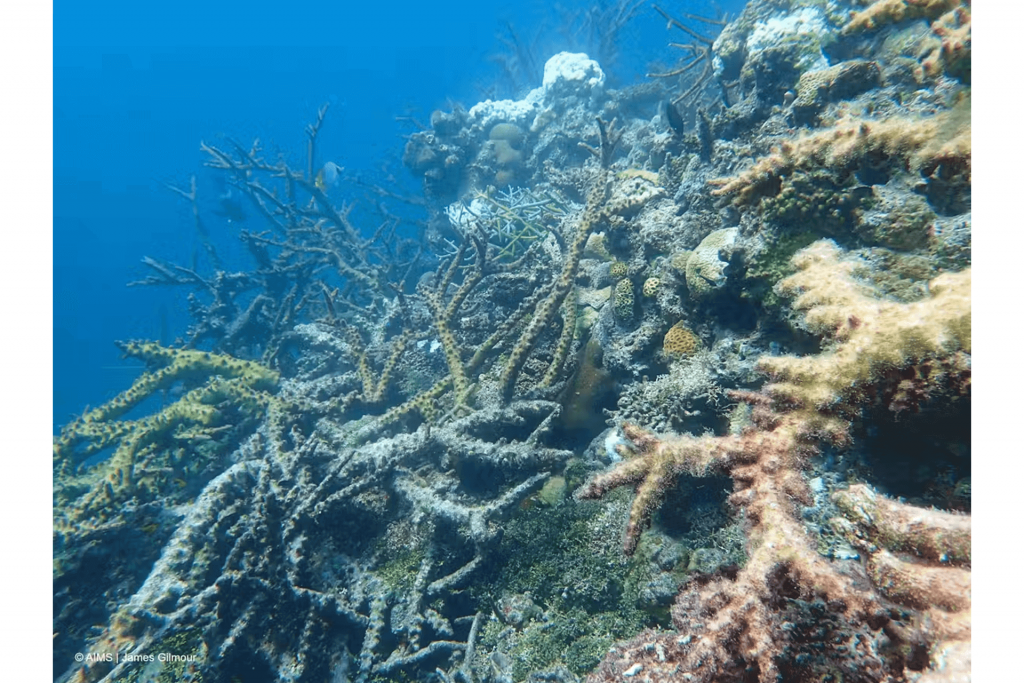
Western Australia has experienced its most severe marine heatwave on record, causing widespread coral bleaching and death across iconic reefs like Ningaloo, Rowley Shoals, and the Kimberley, with heat stress far exceeding bleaching thresholds. Scientists warn recovery will be challenging without urgent climate action as global ocean temperatures continue to rise.