Tiny Plankton, Big Future: Building a Climate-Ready Nordic Ocean Economy
- Adaptation story
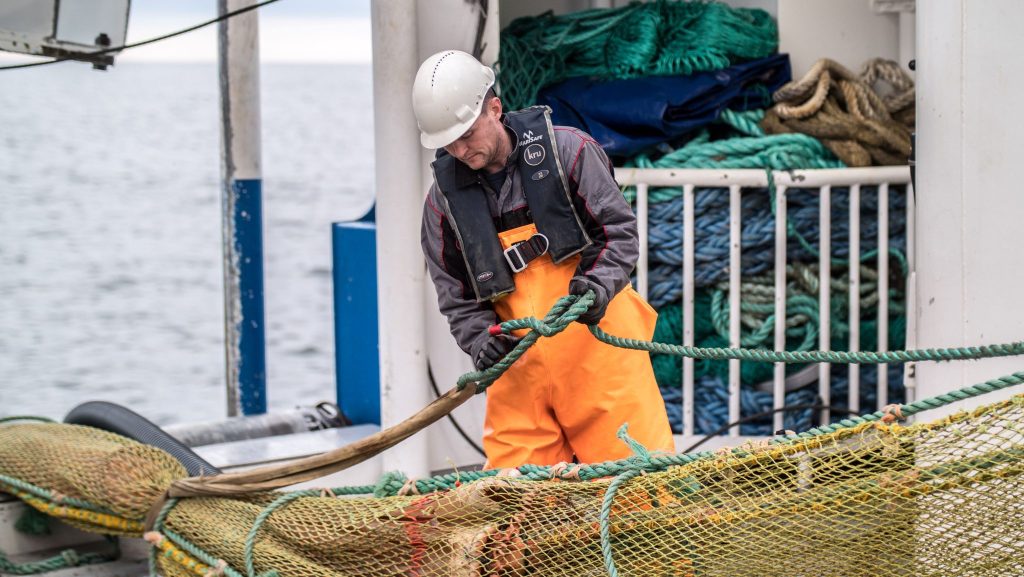
As Arctic sea ice retreats and ocean temperatures rise, northern waters are entering a new era of change, and opportunity. Across the Nordic region, scientists, industry and policymakers are asking a critical question: how can emerging marine industries grow in ways that strengthen, rather than strain, ocean ecosystems?
Part of the answer lies in developing new biomarine value chains that align with a low-carbon future.
At the centre of one such story is Calanus finmarchicus, a tiny zooplankton species known as red copepod. Though only a few millimetres long, it represents one of the largest annually renewable biomasses in the Norwegian Sea — renewing in the order of hundreds of millions of tonnes each year. Long understood as a cornerstone of marine food webs, it is now also being explored as a source of marine oils and proteins.
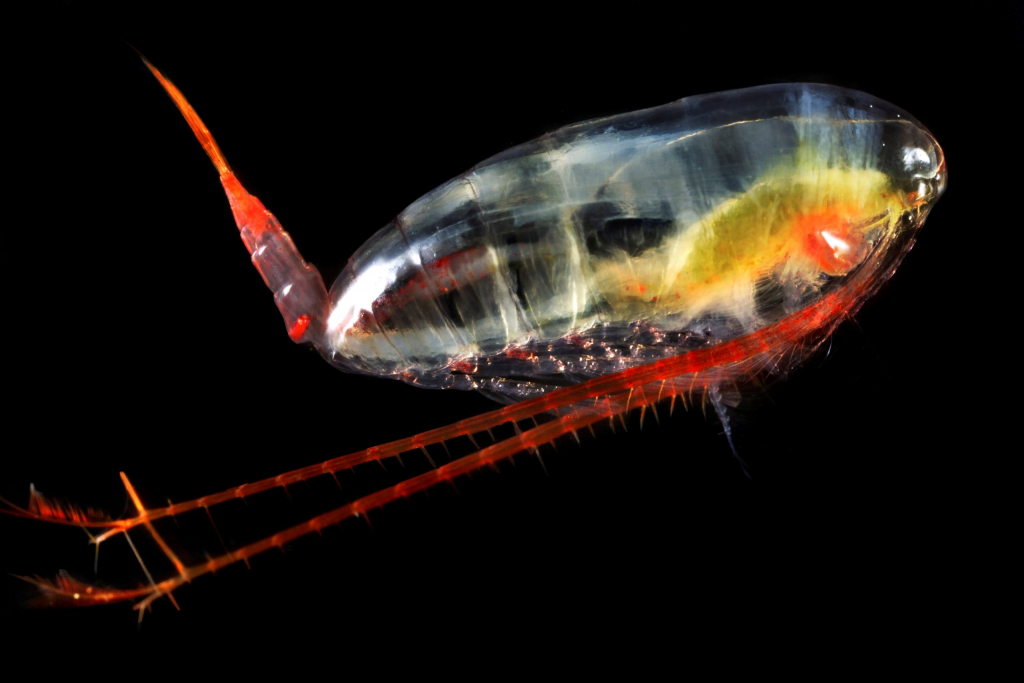
What began as academic curiosity evolved into industrial innovation. Norwegian company Zooca Calanus has developed commercial products derived from red copepod, including marine oils and feed ingredients. In 2021, the world’s first dedicated red copepod processing facility opened in Sortland, marking a significant milestone in translating marine science into industry.
But this is not a story of extraction without reflection.
Commercialising a wild marine resource in a changing climate requires careful management. Securing catch quotas, demonstrating minimal ecosystem impact, navigating regulatory approvals and building new markets all demanded time, capital and scientific evidence. Fisheries stakeholders raised concerns about bycatch, prompting monitoring and research to ensure impacts remained low. Sustainability documentation became central, not secondary.
The broader Nordic Oceans 2050 outlook recognises that offshore energy, aquaculture, fisheries and shipping will remain core pillars of the northern ocean economy. Yet future growth will increasingly depend on innovative, climate-aligned industries, particularly those that provide low-carbon proteins and biomaterials.
For climate adaptation, the lesson is clear: resilience in ocean economies will come from diversification, science-based governance and long-term investment. Emerging biomarine industries must be built with ecosystem safeguards embedded from the outset. As warming waters reshape species distributions and maritime access expands, proactive planning becomes essential.
The Nordic example shows that adaptation is not only about responding to risk, it is about anticipating opportunity. By investing in research, regulatory frameworks and collaborative support systems, the region is positioning itself to harness new marine resources responsibly.
In a warming Arctic, the future ocean economy will be defined not by scale alone, but by stewardship. From microscopic plankton to industrial production, adaptation is about aligning innovation with ecosystem health, ensuring that growth in the blue economy strengthens both climate resilience and coastal communities.
Information sourced from the Nordic Labour Journal