Saving Coastal Ecosystems: lessons from Europe
- Adaptation story
Europe’s coastal areas are under increasing pressure from climate change and centuries of human activity. From Arctic fjords in Svalbard to seagrass meadows in Ireland and oyster reefs in France, habitats that were once teeming with life are facing erosion, pollution, and biodiversity loss. But researchers are showing that with the right combination of science, restoration, and community engagement, these ecosystems can be revitalised.
The ambitious Climarest initiative is at the forefront of this effort. Across five sites — Arctic fjords, seagrass meadows, oyster reefs, sedimentary soft beds, and kelp forests — scientists are developing scalable, nature-based solutions to restore habitats while empowering local communities. By involving stakeholders in co-design, monitoring, and citizen science, Climarest ensures that restoration efforts meet local needs and support livelihoods as well as biodiversity.
In Svalbard, researchers addressed coastal erosion and wastewater pollution by building a 30-metre prototype shoreline using stone and recycled wood, designed to mimic natural coastal structures while boosting biodiversity. Public awareness campaigns linking everyday actions, such as proper waste disposal, to ecosystem health have also reduced pollution in the fjords.
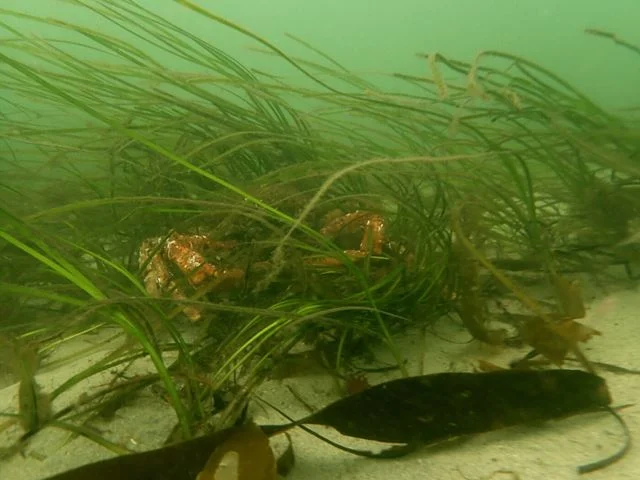
Meanwhile, in Ireland and Spain, seagrass restoration projects are helping revive critical habitats that provide carbon storage, nurseries for fish, and coastal protection. Researchers have tested multiple methods — planting shoots and seeds, monitoring genetic diversity, and assessing growth and survival rates — to understand which approaches work best under different conditions.
In Brittany, France, the restoration of European flat oyster reefs in Brest and Quiberon Bays is helping rebuild biodiversity hotspots that filter water, protect coastlines, and store carbon. Artificial reefs made of steel and wood mimic natural oyster beds and support oyster larval settlement, with extensive monitoring to track ecosystem recovery.
Across all sites, the common thread is clear: successful restoration requires combining ecological science with human engagement. Local communities, businesses, and schools are actively involved, helping ensure that ecosystems are protected while people continue to benefit from them.
While these projects are based in Europe, the lessons have clear relevance for Australia. Australian coasts face similar pressures from climate change, coastal development, and overfishing. From the decline of seagrass meadows in temperate bays to bleaching events affecting the Great Barrier Reef, the need for integrated approaches is urgent. European experiences show that:
- Restoration is most effective when tailored to local conditions, whether stabilising Arctic fjords or planting Mediterranean seagrass.
- Engaging communities builds stewardship and ensures long-term success.
- Demonstration sites allow testing of restoration methods at scale before wider implementation.
For Australia, applying these lessons could mean restoring seagrass meadows along the east coast, rebuilding oyster reefs in estuaries, and designing coastal infrastructure that protects both biodiversity and local communities. By combining science, restoration, and community participation, Australia can strengthen the resilience of its marine ecosystems while maintaining sustainable livelihoods — ensuring that both nature and people thrive in a changing climate.
Read more here