Offshore Aquaculture: adapting seafood production for a warming ocean
- Adaptation story
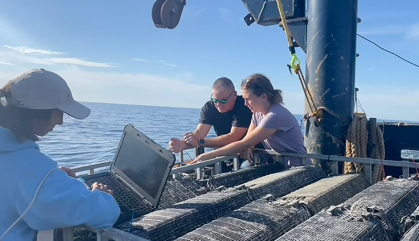
As the world’s oceans warm and coastal ecosystems face increasing pressures from climate change, rising human populations, and overfishing, the challenge of providing sustainable seafood is growing. One solution gaining momentum globally is offshore aquaculture, farming fish, shellfish, and other marine organisms in open ocean waters far from shore.
Recent research from Rutgers University demonstrates the promise of this approach. Led by marine scientist Dr Daphne Munroe, the study successfully farmed Atlantic surfclams miles off the New Jersey coast. Over 300,000 juvenile clams were placed in specially designed cages that protected them from predators, allowed clean ocean water to flow through, and withstood storms and rough seas. Clams deployed in spring grew faster and survived better, while the resulting meat quality was excellent, showing that offshore shellfish farming can be both productive and environmentally responsible.
Dr Munroe emphasises the real-world nature of the work: “We didn’t do this in a lab – we did it in collaboration with commercial fishermen. This demonstrates that offshore aquaculture can support local communities while reducing pressure on wild stocks.”
The benefits of offshore farming extend beyond production. Coastal aquaculture is often limited by space, water quality, and conflicts with other users, while offshore operations tap into cleaner, less crowded waters. By carefully designing cages and deploying them in optimal seasons, farmers can improve growth rates, survival, and seafood quality, while minimising environmental impacts.
Globally, offshore aquaculture is seen as a critical tool for climate adaptation in the blue economy. As oceans warm, species distributions are shifting, and traditional coastal fisheries face increased stress from storms, heatwaves, and declining water quality. Farming shellfish and finfish offshore provides a resilient, scalable, and low-impact solution that can help maintain food security, sustain coastal livelihoods, and reduce pressure on wild populations.
While hurdles remain, including durable equipment, regulatory approvals, and operational costs – the Rutgers study adds to a growing body of evidence that offshore aquaculture can be safe, productive, and sustainable. Across the world, nations from Norway to Japan are exploring similar models, recognising that aligning seafood production with climate adaptation and ecosystem health is essential for the future of the oceans.
For Australia, these findings offer lessons for innovation in the blue economy. By investing in science-led offshore aquaculture, coastal communities can strengthen food security, support fisheries and aquaculture industries, and build resilience to warming oceans, all while safeguarding marine biodiversity. As climate change continues to reshape marine ecosystems, offshore aquaculture represents not just a production strategy, but an adaptation pathway that links people, economy, and ocean health.
Read more here