Keeping seafood cool: a circular solution for a changing supply chain
- Adaptation story
- Queensland
Getting seafood from the ocean to a customer is a temperature-sensitive process. Once a fish is caught, maintaining the right conditions throughout transport and storage is critical to protecting product quality and safety.
For seafood producers, this can become more challenging as temperatures rise and weather conditions become more variable. Cold chain infrastructure needs to keep working through hot days, long journeys and unexpected delays.
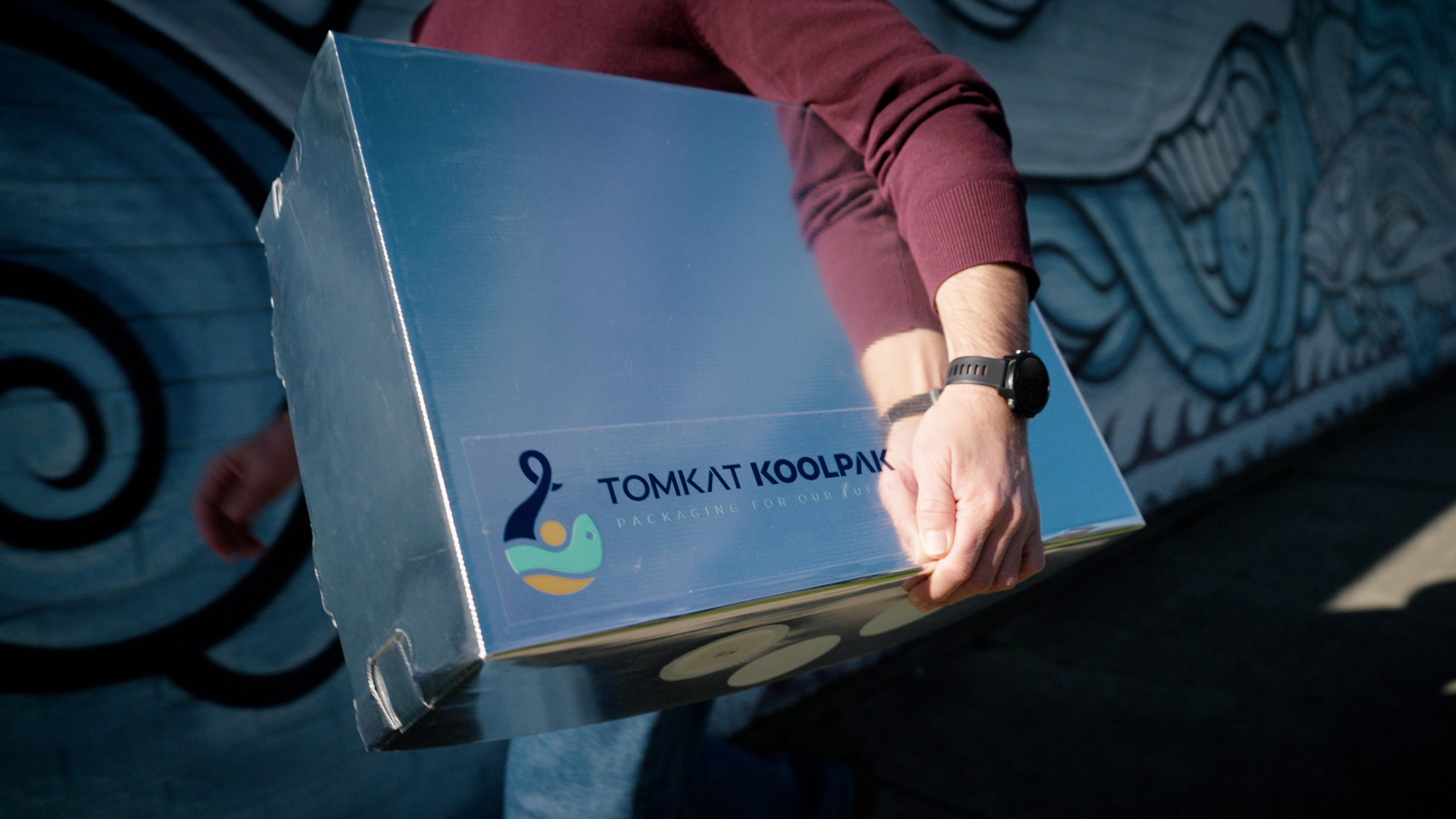
TomKat KoolPak was developed with this challenge in mind. The reusable packaging system was originally developed by the family behind TomKat Line Fish, a wild line fishing business operating on the outer Great Barrier Reef. Tom and Kat Long experienced the challenge first-hand, transporting their own catch through the cold chain and seeing the reliance on single-use polystyrene packaging. They wanted an alternative to the polystyrene boxes used to transport their catch and developed a reusable system designed specifically for temperature-sensitive products.

KoolPaks combine thermal insulation with technology that tracks the packaging and monitors the temperature of its contents throughout the supply chain. Built-in Near Field Communication (NFC) tags allows users to scan the boxes at different points in their journey, providing information about where a KoolPak has been and allowing the temperature of its contents to be monitored without opening the box.
That information can be particularly useful when conditions during transport are difficult to predict. Knowing what temperature a product has experienced along its journey gives producers and buyers more information to work with, helping them identify where problems have occurred and make better decisions about temperature-sensitive products. It turns the box from simply a container into another source of information about the journey.
The packaging itself is also designed around reuse. KoolPaks can be collected after delivery, cleaned, flattened for storage and returned to the supply chain for another use. Individual components can be replaced if they are damaged, extending the life of the box, while the materials used in the system are designed to be recyclable at the end of their useful life.
Most fishers and primary producers want to do the right thing for their business and the environment they rely on. The challenge is that existing supply chains can make change difficult. Packaging needs to be readily available, used boxes need a practical return pathway, and any new system needs to make commercial sense. Changing over will take time, effort and some upfront investment.
But it can be done. Tangaroa Blue Foundation’s Esky Library on Christmas Island provides a practical example. Rather than being used once and discarded, KoolPaks stay in circulation through a system that lets them be returned and reused.
The principle is simple: use it, track it, recover it, clean it, flatten it, return it — and use it again.
This is where the KoolPak system becomes more than a packaging alternative. Replacing a single-use box with a reusable one reduces the amount of packaging that needs to be produced and disposed of for every shipment. It also reduces the need to continually produce new packaging materials.
For the seafood industry, this matters because adaptation is not only about responding to the direct effects of a changing climate. It is also about building supply chains that can keep operating as environmental conditions and resource pressures change.
A reusable packaging system can reduce waste and the environmental impacts of producing and disposing of single-use packaging, while the temperature monitoring technology provides more information about what happens to seafood as it moves through the supply chain.
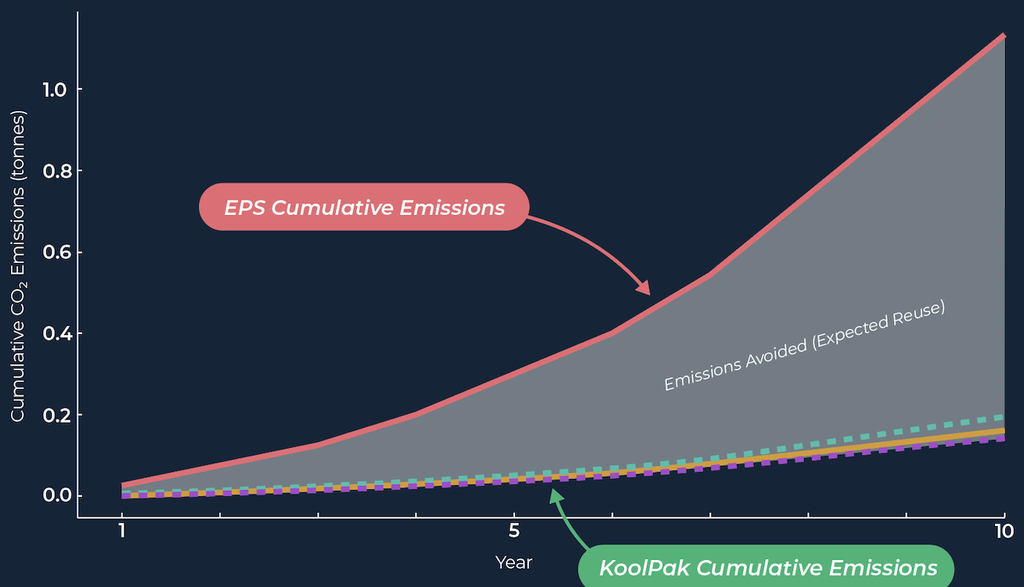
Together, these features address two challenges at once: protecting seafood as it moves through a changing environment and reducing the environmental footprint of the supply chain.
KoolPak shows how adaptation can happen through changes to the systems that support seafood production. A box may seem like a small part of the journey from ocean to consumer, but changing how that box is designed, used, tracked and recovered can have implications across the entire supply chain.
“TomKat KoolPak eskies have stood up to the demands of our Christmas Island Esky Library, with the original units purchased in early 2025 still in use for fortnightly food deliveries from Perth. Their durability is helping us demonstrate that reuse can work even in challenging locations. If a reusable Esky Library can work on Christmas Island—one of Australia’s most remote islands—we believe it can work anywhere.”
— Heidi Tait, CEO and Co-founder, Tangaroa Blue Foundation