Fishing Vessels as Critical Climate Science Observers
- Adaptation story
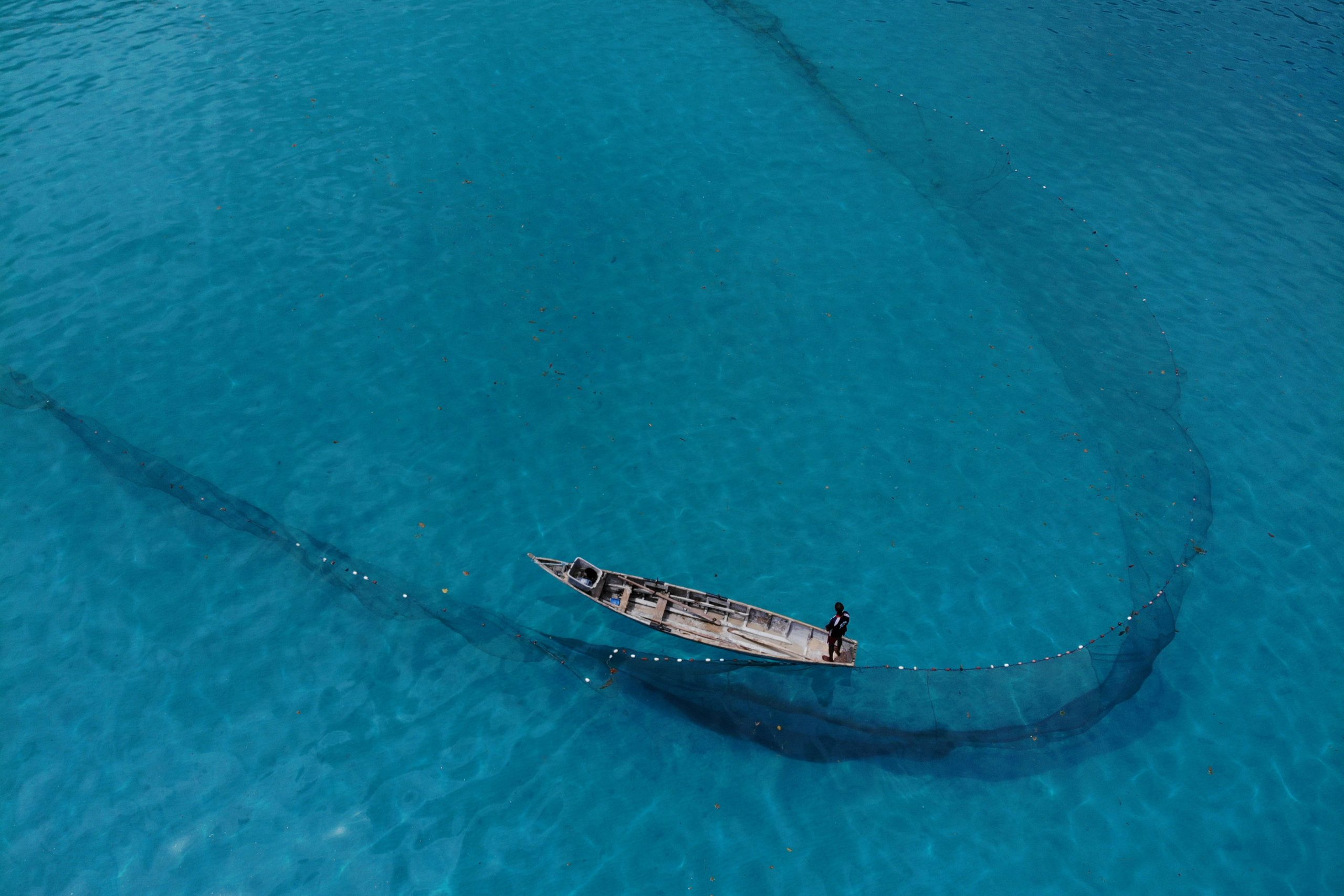
Could fishing vessels be part of the climate solution?
Understanding how our oceans are changing is the first step towards understanding what climate change means for fishing, aquaculture and the broader seafood sector.
Oceanographic data tell us about the state of the ocean, including water temperature, salinity, waves, currents, dissolved oxygen, pH and biological characteristics such as chlorophyll and phytoplankton.
These observations help scientists understand what is changing, where it is changing and how those changes might affect marine ecosystems and associated fisheries and aquaculture .
But there is a fundamental challenge: we can only understand how the ocean is changing if we have enough data to observe those changes.
And the ocean is a very, very big place.
Collecting oceanographic data across large areas is challenging. It becomes even more difficult in coastal regions, across national borders and in countries where funding for scientific research and monitoring is limited.
This is the challenge that the Fishing Vessel Ocean Observing Network (FVON) is working to address.
Turning fishing vessels into ocean observers
FVON provides fishing vessels with small, low-cost sensors that can be attached to the hull or outside of a vessel. As fishers go about their normal activities, these sensors collect information about ocean conditions.
This creates an opportunity to gather valuable data across areas that can be difficult or expensive for traditional research vessels to monitor, particularly nearshore and coastal environments.
The approach has been successfully implemented in several parts of the world, including Tanzania.
Filling data gaps in Tanzania
In Tanzania, fishing is not only a traditional practice and an important part of coastal life; it is also a critical source of income for communities across the country.
But Tanzanian fishers are seeing changes in the environment around them.
Tropical cyclones, marine heatwaves and sea level rise are affecting coastal communities and fish catches. At the same time, there is a scarcity of oceanographic data needed to understand these changes and support fisheries management and coastal decision-making.
Limited research funding makes collecting this information even more challenging, restricting the ability of communities and industries to prepare for and adapt to a changing climate.
Low-cost sensors provided through FVON are helping to change this.
By putting ocean-observing technology in the hands of fishing communities, fishers can contribute to the collection of data about the waters they rely on. These observations help fill critical gaps in our understanding of ocean conditions and can support better fisheries management and climate adaptation.
Ultimately, better information can help Tanzanian fishing communities make decisions that support their livelihoods as their environment changes.
Watch more about the FVON program in Tanzania:
A global network of fishing vessels
Tanzania is just one example of how fishing vessels can contribute to ocean science.
FVON also operates networks of sensors in Australia through the FishSOOP program and in New Zealand through the Moana Project, helping to fill important gaps in our understanding of changing ocean conditions.
These programs demonstrate the value of collaboration between scientists and the seafood industry. Fishing vessels already spend large amounts of time on the water, travelling through areas that can be difficult for dedicated research vessels to regularly monitor.
By working together, scientists and fishers can turn this existing presence on the ocean into an important source of environmental information.
Our ability to adapt to climate change is only as good as our understanding of how our environment is changing. More observations mean better information, and better information can lead to better decisions for fisheries, aquaculture and coastal communities.