Resilient corals offer insights for reef adaptation
- News item
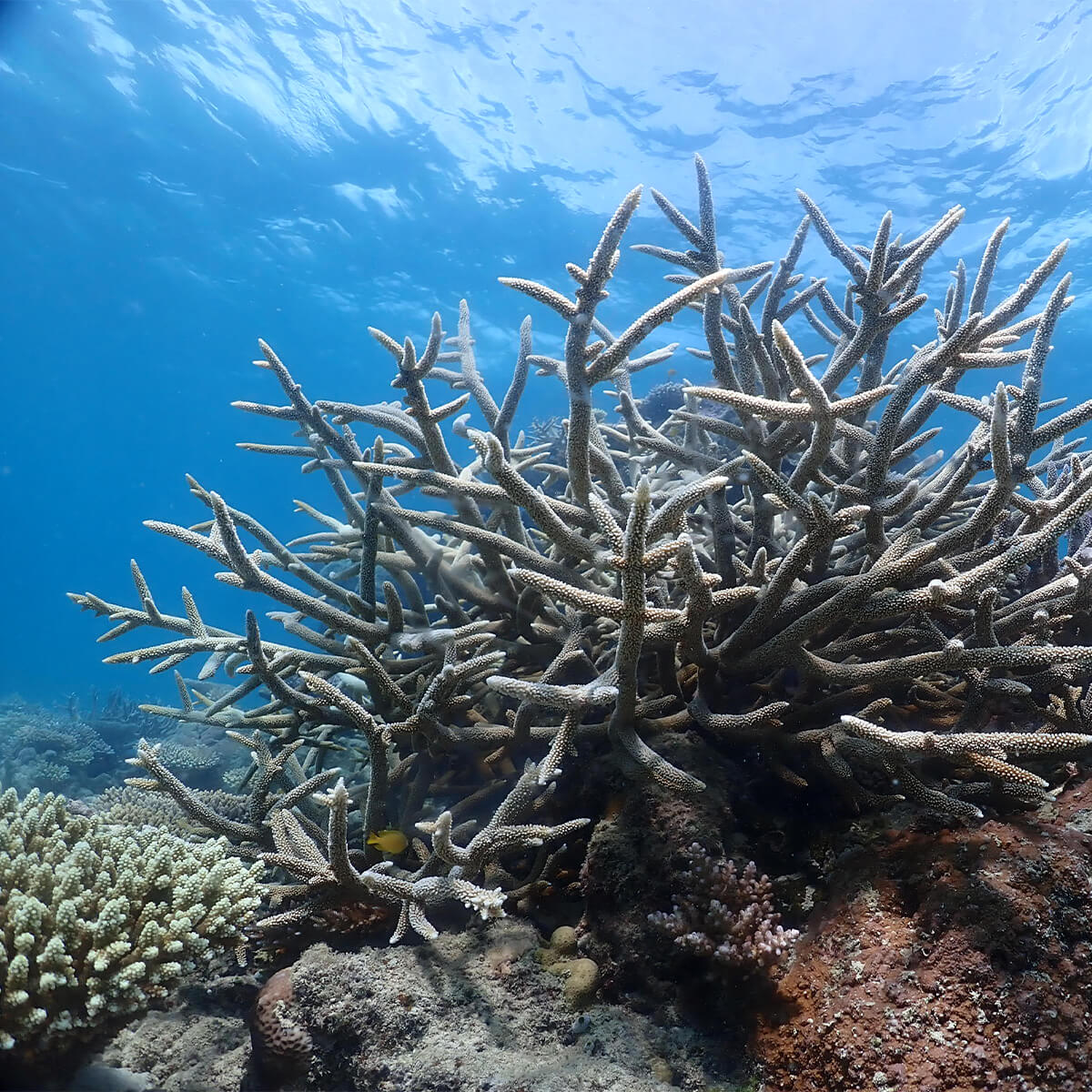
Research from the University of Amsterdam shows that corals living in extreme coastal bays with fluctuating temperatures and environmental conditions are more resilient to heat and other stressors than their counterparts on stable reefs.
Marine biologist Sarah Solomon studied corals in Curaçao’s bays, which experience higher daily variations in temperature, pH, and oxygen levels, as well as stronger human influence. She found these corals use flexible feeding strategies, partner with heat-tolerant algae, and host microbial communities that boost their stress resistance.
Transplant experiments revealed that reef corals could acclimatize to harsher bay conditions but at a cost to health, while bay corals were highly specialized and more heat-resistant. Some reef species could increase heat tolerance within a year, highlighting potential avenues for adaptation.
Solomon suggests extreme environments could serve as natural “training grounds” for corals, supporting restoration efforts aimed at building climate-resilient reefs. However, she cautions that even the most resilient corals have limits, and reducing climate change and pollution remains essential for reef survival.
Read more here