What is the best thing a person can do to help with climate change?
QUESTION
What is the best thing a person can do to help with climate change?
ANSWER 1
By: Prof Gretta PeclWhat is the most useful thing a person can do to help with climate change?
The most useful thing any of us can do is use our sphere of influence – whatever that might be for us as individuals within our own unique capacity – to help create broader systems change while taking practical action in our own lives.
Climate change is driven by the way our societies produce energy, food, transport and goods, so while individual actions matter, lasting progress requires collective action across communities, businesses and governments. The good news is that everyone has influence in one form or another. Whether at home, at work, in their community, or through the choices they make as citizens and consumers, people can help accelerate the changes needed for a safer climate future. Resources like Project Drawdown (https://drawdown.org) highlights the importance of action at multiple levels, from personal choices to policy and institutional change.
One of the most powerful things people can do is talk about climate change and its solutions. Research shows that social norms strongly influence behaviour, and conversations help make climate action visible, normal and achievable. Effective engagement is not about lecturing or expecting perfection. It is about listening, understanding people’s values and concerns, meeting them where they are, and helping build a sense of shared purpose and possibility. People are more likely to act when they feel they have agency and can make a meaningful contribution.
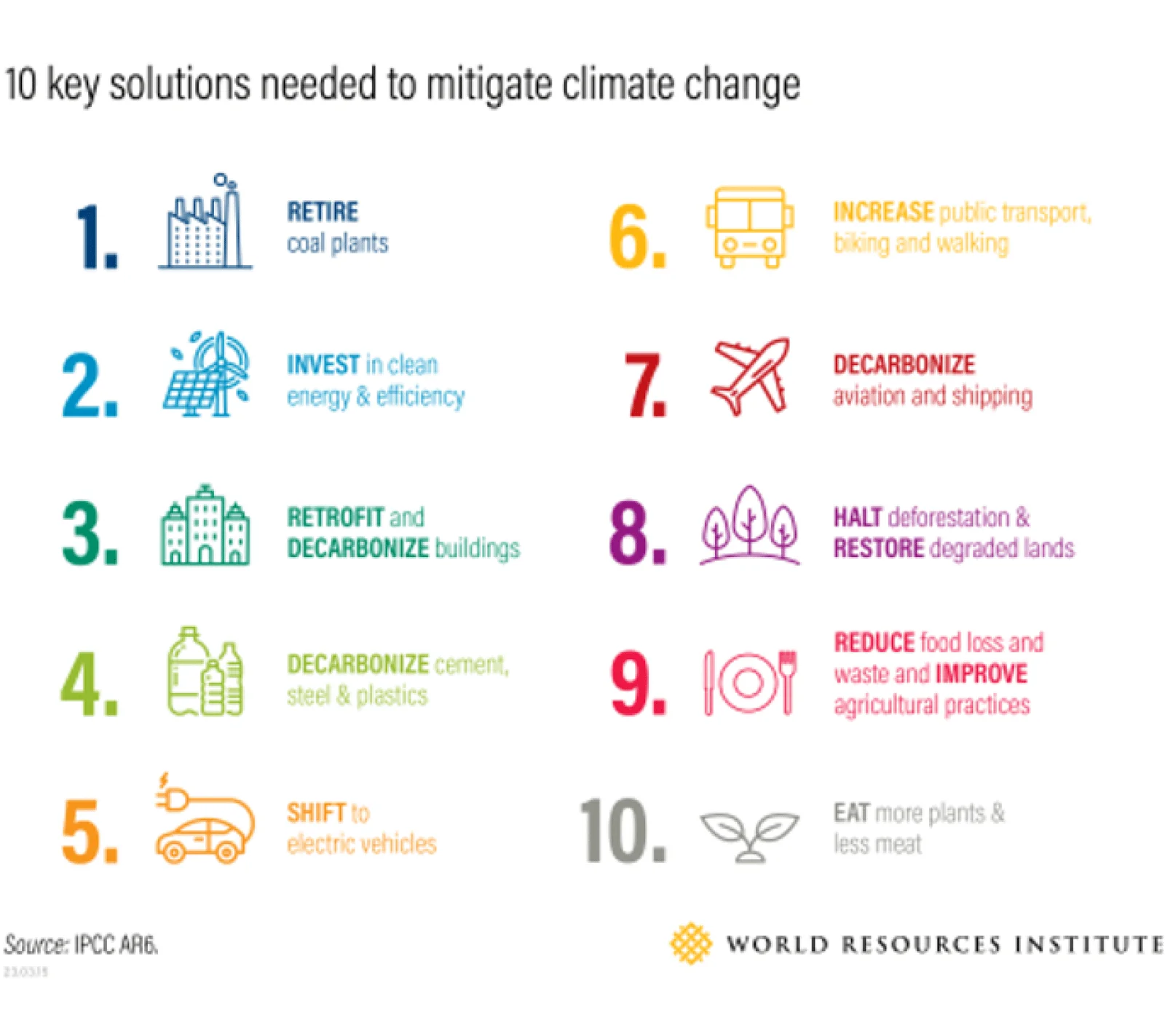
Reducing our own emissions is also important. At home this might involve improving energy efficiency, choosing renewable electricity, reducing food waste, shifting towards lower-emissions foods, or walking, cycling and using public transport where practical. At work, individuals can help shape purchasing decisions, travel policies, energy use and sustainability initiatives. Within communities, people can support local climate projects, renewable energy initiatives, habitat restoration and sustainable transport options. These actions reduce emissions directly, but they also help demonstrate what is possible and encourage wider uptake.
Many people also find purpose through community action. Participating in citizen science, beach clean-ups, restoration projects, local environmental groups or climate-focused community initiatives helps build connections, contributes valuable knowledge, and strengthens collective capacity to address environmental challenges. Just as importantly, these activities help people feel part of the solution.
Ultimately, responding to climate change is both a practical and ethical responsibility. We do not need everyone to do everything perfectly. We need millions of people doing what they can, where they can, while supporting the policies, innovations and social changes that make sustainable choices easier and more accessible for everyone. Individual action, community engagement and systems change are not competing approaches. They reinforce each other.
What does this look like in the seafood sector?
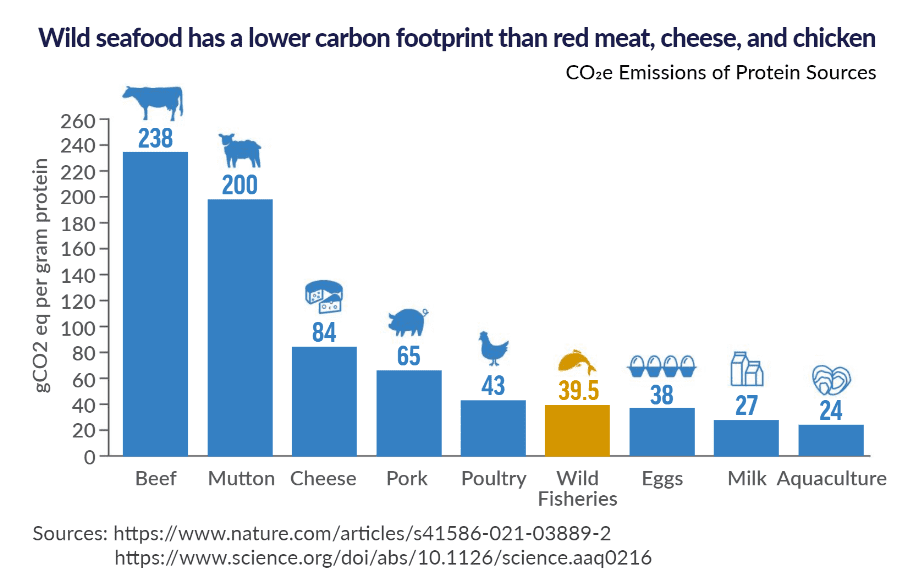
Seafood has an important role to play in a lower-carbon future. Many wild-caught and aquaculture seafood products have a lower greenhouse gas footprint than many land-based animal proteins, meaning sustainable fisheries and aquaculture can be part of climate solutions while continuing to provide food, livelihoods, nutritional and cultural benefits.
Climate action in the seafood sector can look different depending on where people sit in the supply chain:
- Recreational fishers can support sustainable fishing practices, diversify their catch where appropriate, target only healthy and abundant stocks, reduce waste and plastic use, and contribute observations of changing marine conditions. Reporting unusual sightings, such as species occurring outside their normal range through programs like Redmap, can help scientists track climate-driven changes in the ocean.
- Seafood consumers can choose Australian sustainable seafood, support fisheries and aquaculture businesses that demonstrate good environmental stewardship, reduce food waste, and favour products with less packaging where possible.
- Commercial fishers and aquaculture producers can improve fuel efficiency, adopt lower-emissions technologies as they become available, reduce waste and single-use plastics, improve energy management, participate in environmental monitoring, and engage in discussions about climate impacts and adaptation within their industries.
- Processors, distributors and retailers can improve refrigeration and cold-chain efficiency, reduce energy use, transition to renewable energy, minimise waste throughout the supply chain, improve temperature monitoring, and reduce packaging impacts.
- Industry organisations and seafood businesses can support research and innovation, improve climate literacy across the sector, share knowledge, advocate for evidence-based climate policy, and help build the conditions needed for a sustainable and prosperous seafood future.
Climate change is already reshaping our oceans, affecting the distribution, abundance and productivity of many marine species. Supporting a future-ready seafood sector means both reducing emissions and helping fisheries, aquaculture operations and coastal communities navigate changing conditions. The most useful thing people can do is contribute where they have influence, whether through the choices they make, the conversations they have, the businesses they run, the policies they support, or the observations they share. Together, these actions can help ensure seafood continues to provide healthy food, livelihoods, cultural values and economic opportunities in a lower-carbon future.
Image captions:
10 high impact climate actions for households and individuals. Image credit: World Resources Institute
Carbon footprint of different protein sources. Image credit: source on image
Supporting gallery:
Answered by: