Emerging business opportunities and range extending species
QUESTION
What is an emerging business opportunity for range extending species?
ANSWER 1
By: Dr Jennifer SmithRange-extending Longspined Sea Urchins from Tasmania are on the menu!
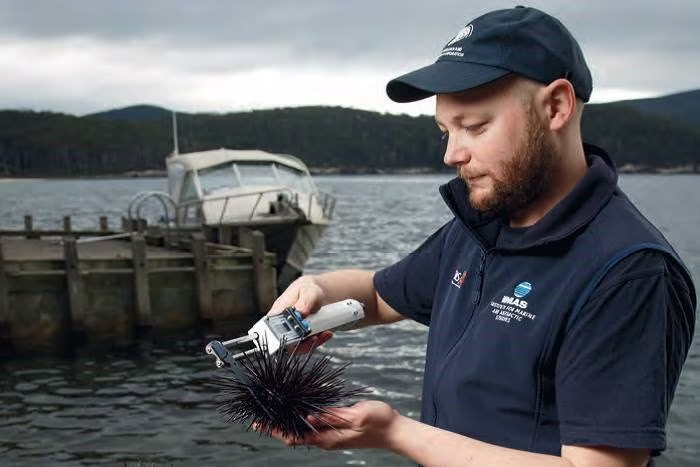
Great question! In Tasmania, the Longspined Sea Urchin (Centrostephanus rodgersii) has been extending its range south along the East Coast. First seen in Tasmania in the 1970s, this urchin now causes a lot of disruption on the temperate reefs of Tasmania by overgrazing on kelp and turning the biodiverse reefs into extensive urchin barrens where other species can no longer thrive. Estimates suggest there are now over 22 million urchins in Tasmania! This transition to urchin barrens is problematic for many reasons including the loss of biodiversity and the loss of commercial fisheries such as rock lobster and blacktop abalone which are highly prized species for Tasmanian fishers.
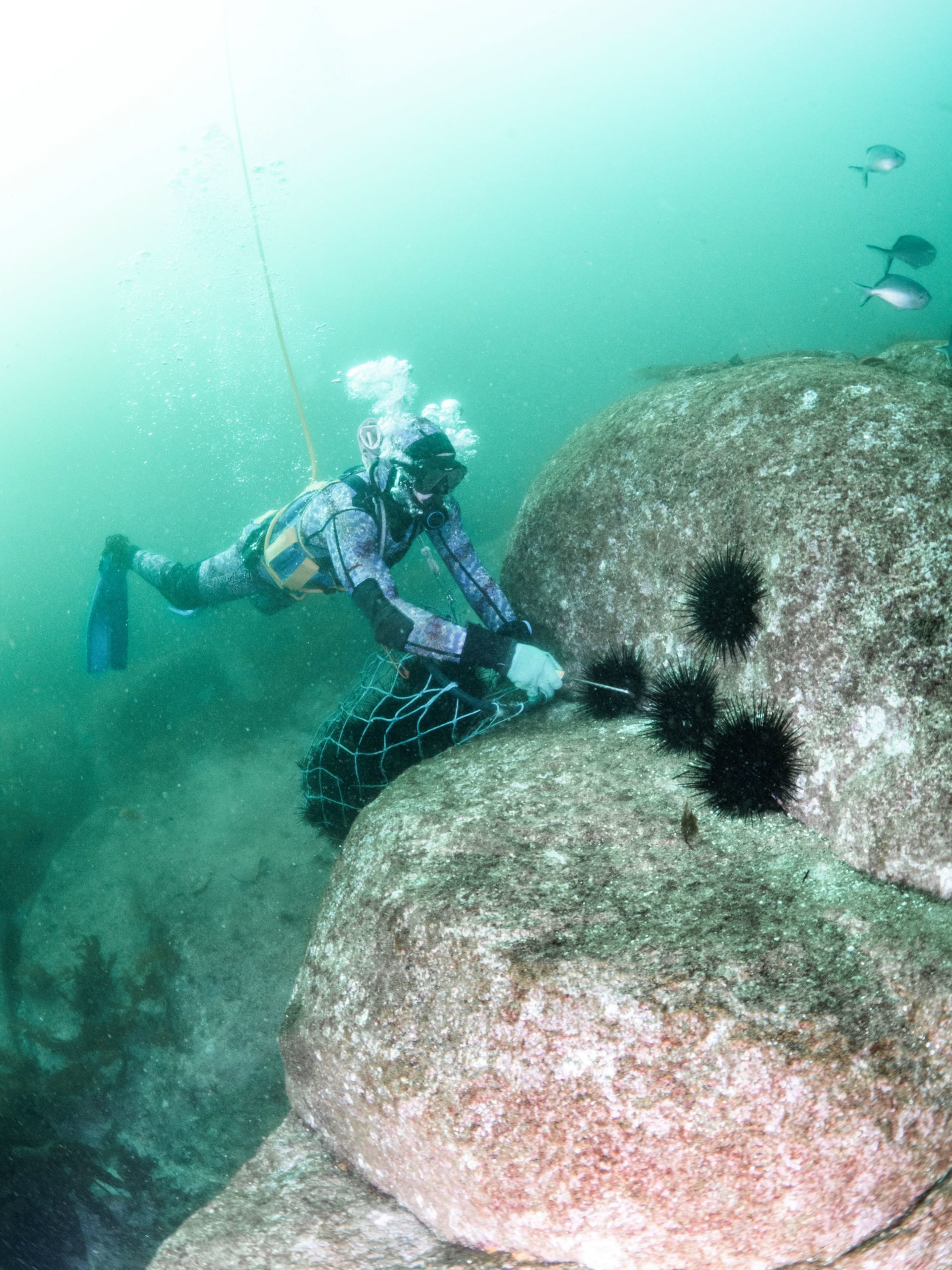
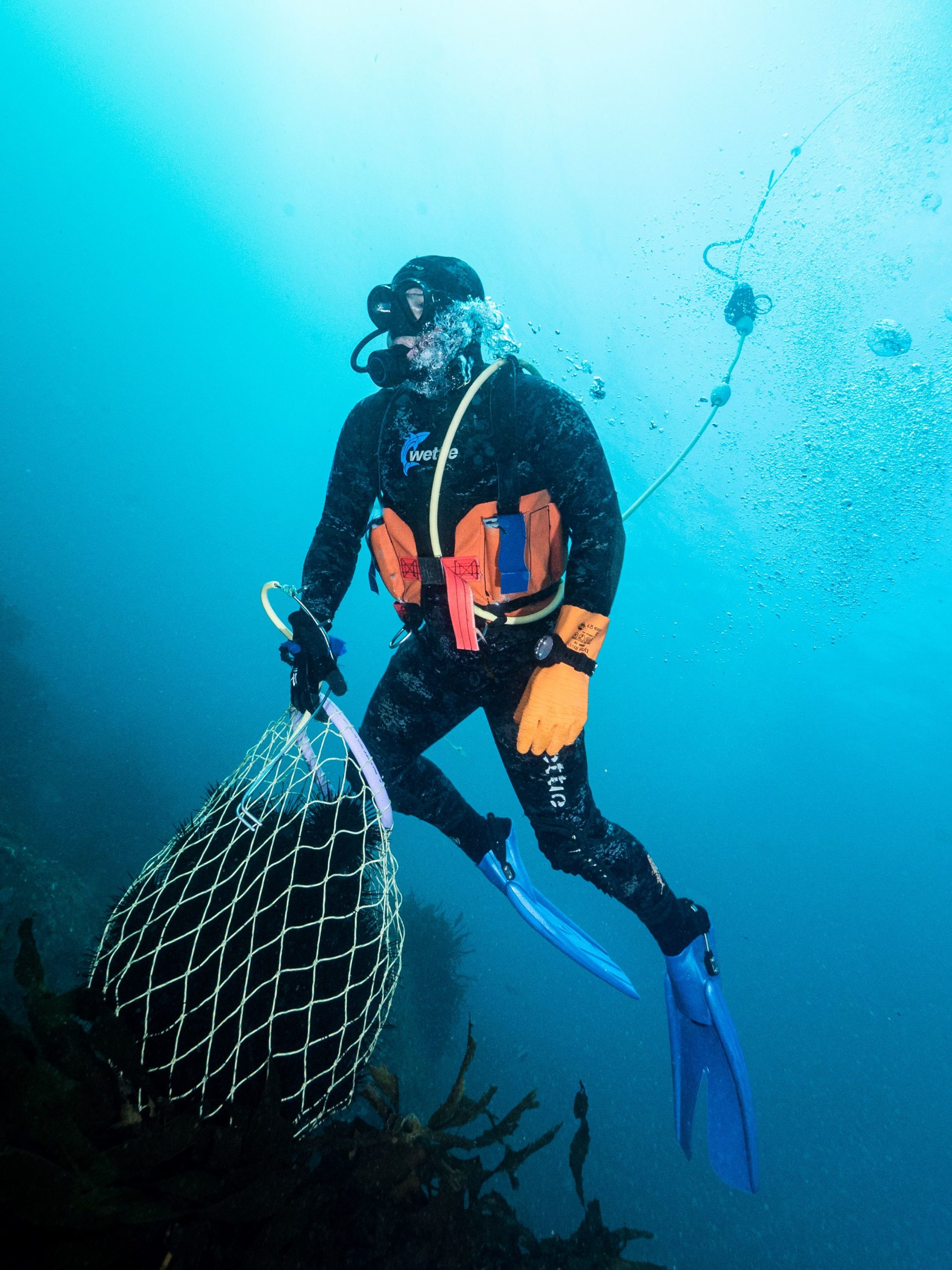
However, an emerging business opportunity has been growing for this range-extender. Urchins are a huge delicacy in many countries, people enjoy eating the urchin roe (the soft, reproductive organs inside the spiky shell) which provides a specialised umami taste. This has allowed a great business opportunity for Tasmanian divers and processors, who have been fishing the urchin sine 2009. By 2017, over 500 tonnes of urchins were being removed from the reefs in Tasmania by divers and then going to be processed for the international seafood market!
Supporting gallery:
Answered by:

Dr Jennifer Smith
ANSWER 2
By: Dr John KeaneAn emerging business opportunity is to turn the growing abundance of range-extending and invasive species into commercially valuable fisheries, products and markets. A recent 2024 FAO study examined 11 case studies from around the world, supported by a survey of 101 scientists from 44 countries, to understand how fisheries can respond to aquatic invasive species in a changing climate. The study highlights a dual challenge: reducing the ecological impacts of these species while capitalising on the economic opportunities they may provide. Developing commercial fisheries and exploring new markets were two of the nine key management responses identified.
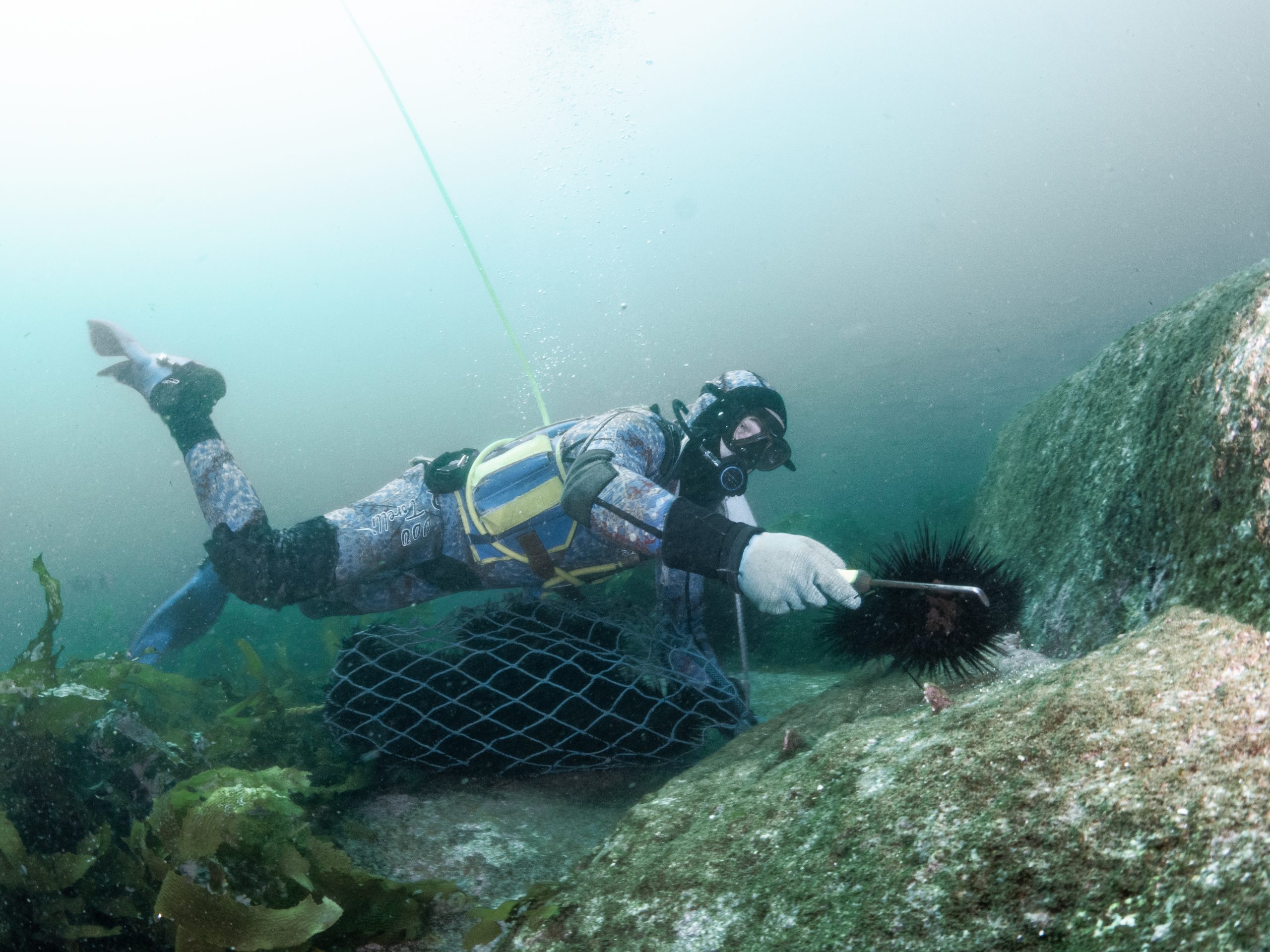
Tasmania’s longspined sea urchin (Centrostephanus rodgersii) is a key example. Climate-driven range extension has allowed the species to establish and increase in Tasmania, where overgrazing converts productive kelp reefs into urchin barrens, negatively affecting biodiversity and valuable abalone fisheries. However, its commercial value also provides an opportunity. Tasmania has developed an urchin fishery, supported by harvest subsidies and market development, which provides fishers with an alternative income while removing urchins from high-value reefs. The FAO case study concludes that appropriately supported and spatially prioritised commercial harvest can provide an affordable, large-scale tool for managing range-extending species.
Similar transformations are occurring internationally.
In Tunisia, the invasive blue swimming crab initially damaged fishing gear and catches, but targeted fishing, new traps, processing and market development helped turn the species into a commercial resource. Lionfish in the Atlantic and Mediterranean provide another example, with commercial and recreational harvesting combined with market development and public outreach to encourage consumption. The red king crab in the Barents Sea similarly demonstrates how an introduced species can create fishing opportunities based around a highly valuable seafood product, despite its ecological impacts.
The emerging opportunity is therefore broader than simply catching a new species. It is about developing new seafood products, processing technologies, markets and supply chains that turn ecological change into economic value. Longspined sea urchins demonstrate a particularly promising “harvest for restoration” model, where business development can generate regional income while simultaneously helping protect kelp ecosystems and existing fisheries.
https://openknowledge.fao.org/items/2f12e0cf-4c6c-4e0c-bdfa-e3f667d18420
Image credit Matt Testoni
Supporting gallery:
Answered by: