Putting Regional Fisheries Management Organisations’ Climate Change House in Order
- Publication

Francisco Blaha discusses a recent Ghoti paper examining how Regional Fisheries Management Organisations (RFMOs) need to adapt their scientific processes to manage the growing impacts of climate change on transboundary fish stocks, using South Pacific albacore tuna (SPA) as a case study.
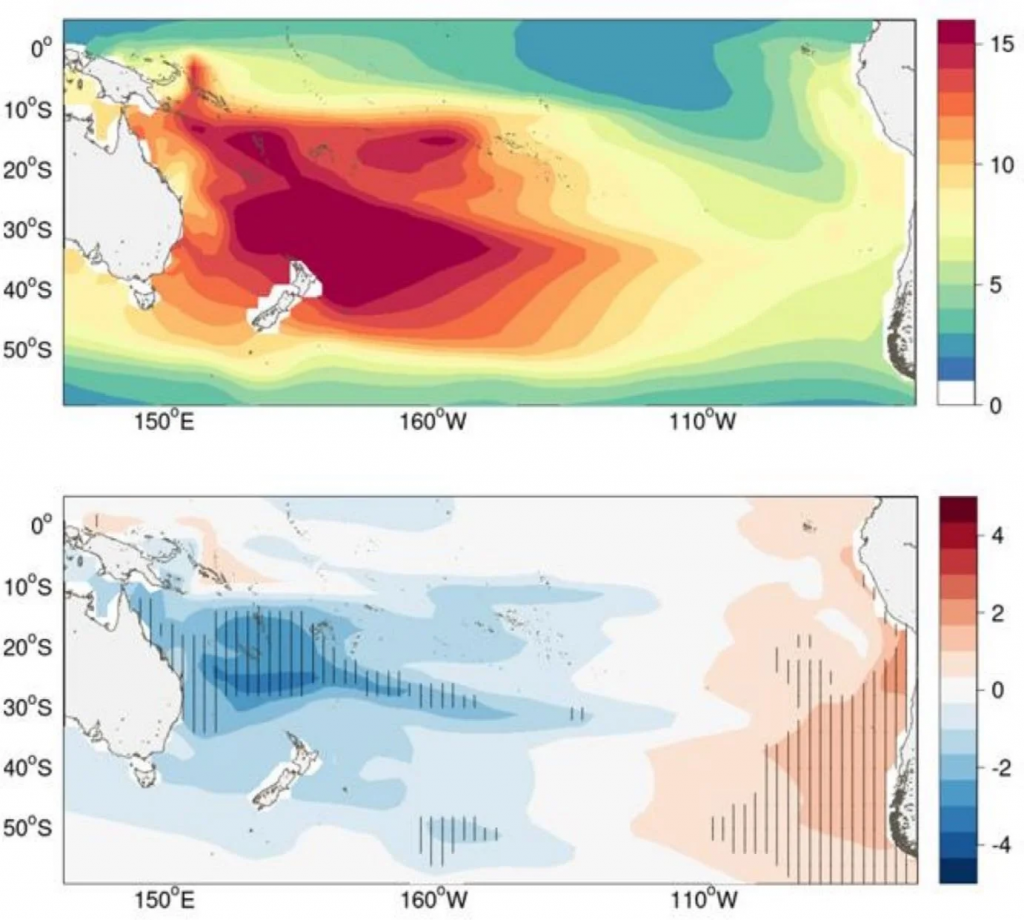
The paper highlights that climate change is altering SPA’s biology, abundance, and distribution, challenging traditional management approaches. To address these changes, the authors identify four key research priorities for RFMOs:
- Enhance Understanding of Biological Changes
- Climate change affects growth, reproduction, and migration, yet many stock assessments assume these remain stable.
- Techniques like Close-Kin Mark-Recapture (CKMR) can improve understanding of population structure, connectivity, and fecundity.
- Enhance Data Collection
- Long-term, integrated data from both fisheries and independent sources are needed.
- Collaborations with fleets and the use of technologies (e.g., sensors on longline gear) can improve environmental data accuracy and reduce costs.
- Improve CPUE Modelling
- Catch-per-unit-effort (CPUE) data must be adjusted for climate-related shifts in fish behaviour and fleet distribution.
- Advanced modelling tools, such as GAMs, machine learning, and spatiotemporal models—can better reflect ecosystem changes.
- Ensure Adaptive and Robust Scientific Advice
- Management strategies should be both adaptive (flexible to change) and robust (effective under uncertainty).
- Management Strategy Evaluation (MSE) is recommended to test harvest strategies under different climate scenarios, especially as warming drives spatial stock shifts.
The paper concludes that collaboration between RFMOs, member nations, and fishing fleets is essential to strengthen data systems, modelling, and management frameworks. By doing so, RFMOs can better respond to ocean warming and ensure the long-term sustainability of fisheries.
Finally, Blaha notes that this Ghoti paper exemplifies how concise, collaborative contributions can drive fresh thinking in fisheries science.