Preparing for marine natural disasters
- News item
- Publication
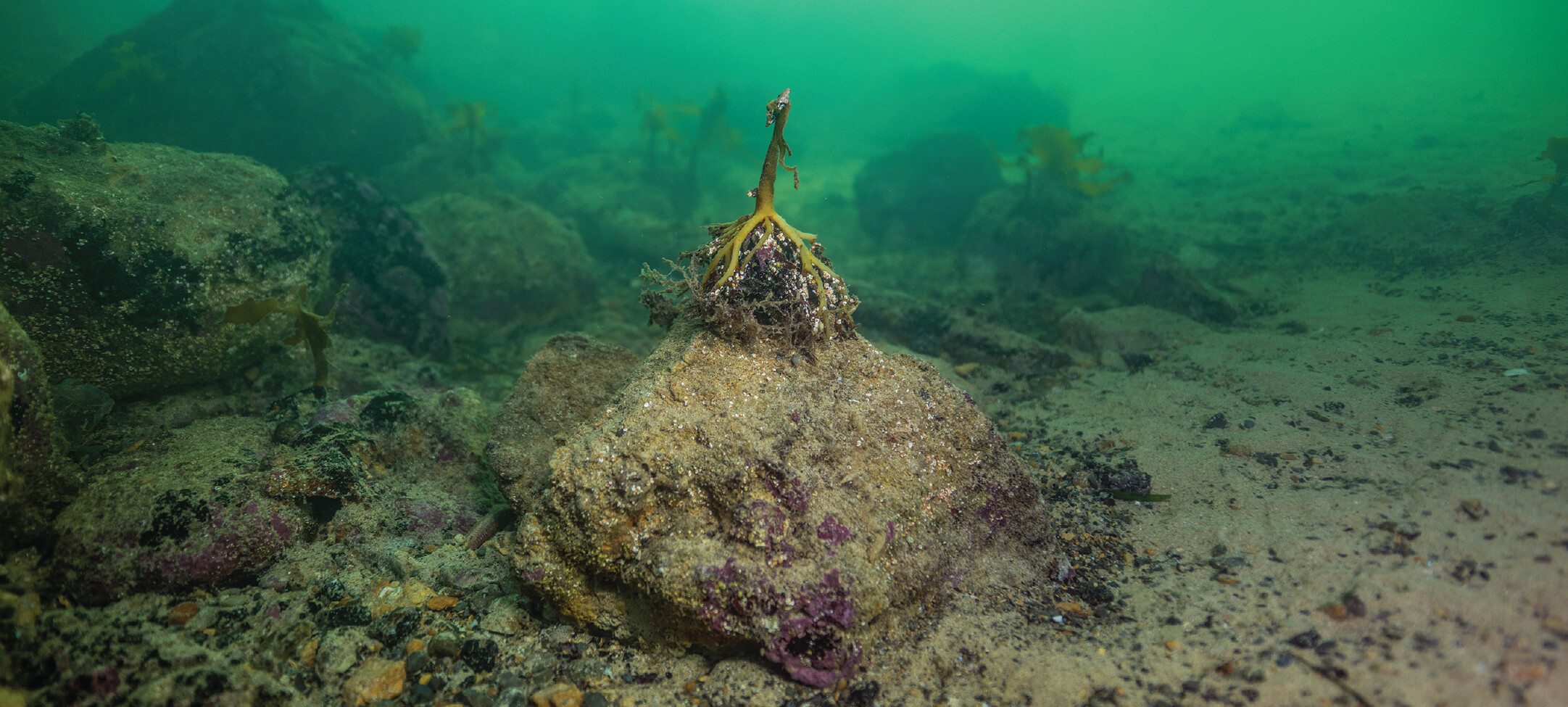
Marine heatwaves, harmful algal blooms, hypoxia and mass mortality events can have significant impacts on marine ecosystems and the communities and industries that depend on them.
A new commentary published in Science argues that marine extreme events need to be treated more like natural disasters, with coordinated systems for monitoring, forecasting and responding to their impacts.
The authors point to recent events, including the widespread marine heatwave and harmful algal bloom that affected South Australia during 2025 and 2026, as examples of the ecological and economic consequences that marine extremes can have.
While Australia has increasingly sophisticated ocean observing and forecasting capabilities, the authors argue that responsibility for responding to marine events remains fragmented across environmental, fisheries, emergency management and public health agencies.
They recommend developing coordinated marine disaster response frameworks that can translate forecasts and monitoring into action for industries and communities. This could include clearer responsibilities, predefined triggers for action and investment in initiatives that build the resilience of marine ecosystems and ocean-dependent industries.
For Australia’s seafood sector, better connections between ocean information, forecasting and response planning could help businesses prepare for extreme events before impacts occur.
The commentary was written by Melinda Coleman and Curtis Champion, researchers with NSW Department of Primary Industries and Regional Development, Southern Cross University and the University of New South Wales.