Climate Conversations at Seafood Directions 2026
- News item
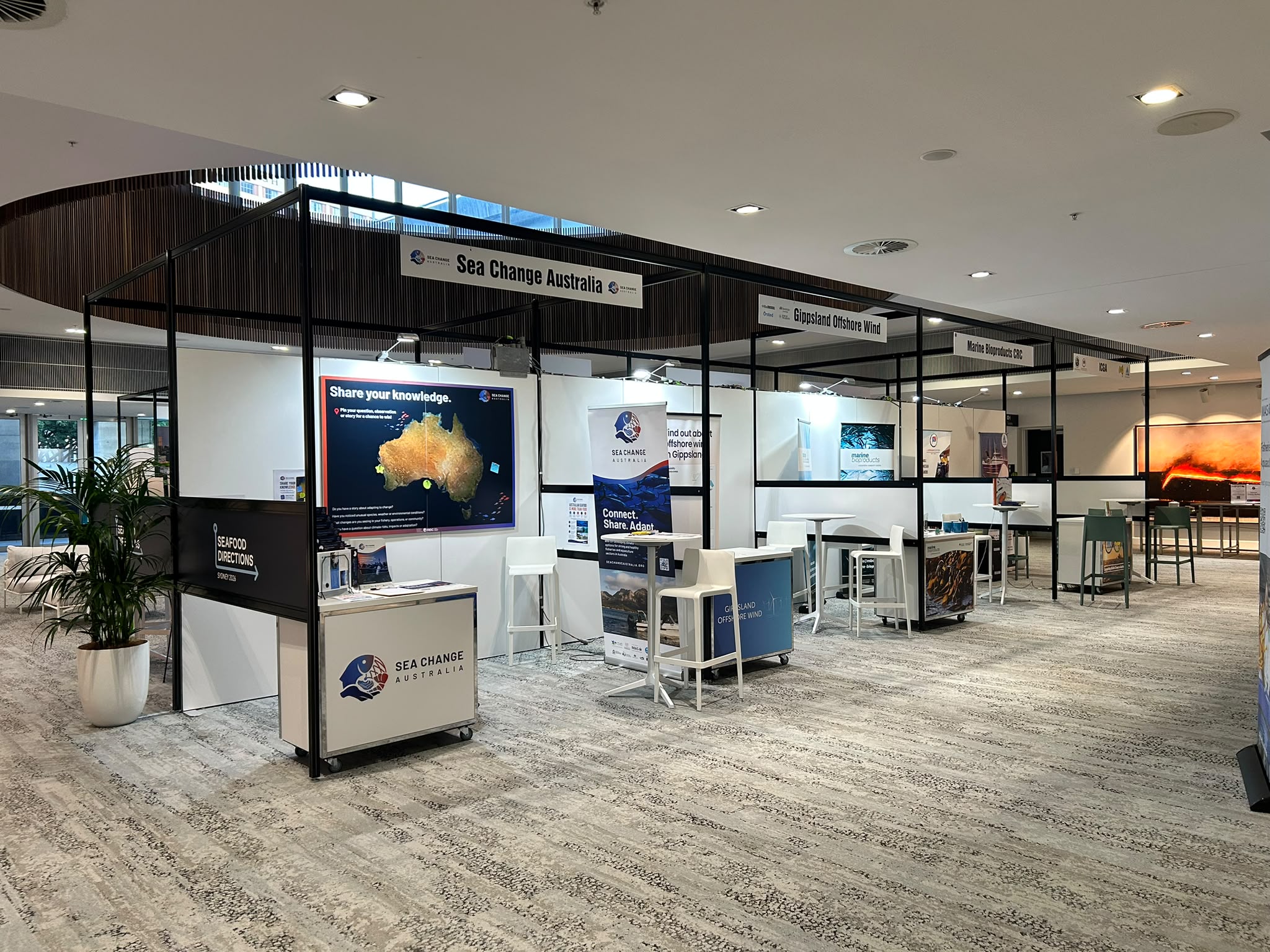
Australia’s seafood sector spans thousands of kilometres of coastline, diverse fisheries, aquaculture operations and coastal communities. Opportunities for people from across the sector to come together, share experiences and discuss future challenges are relatively rare. Seafood Directions 2026 provided one of those opportunities.
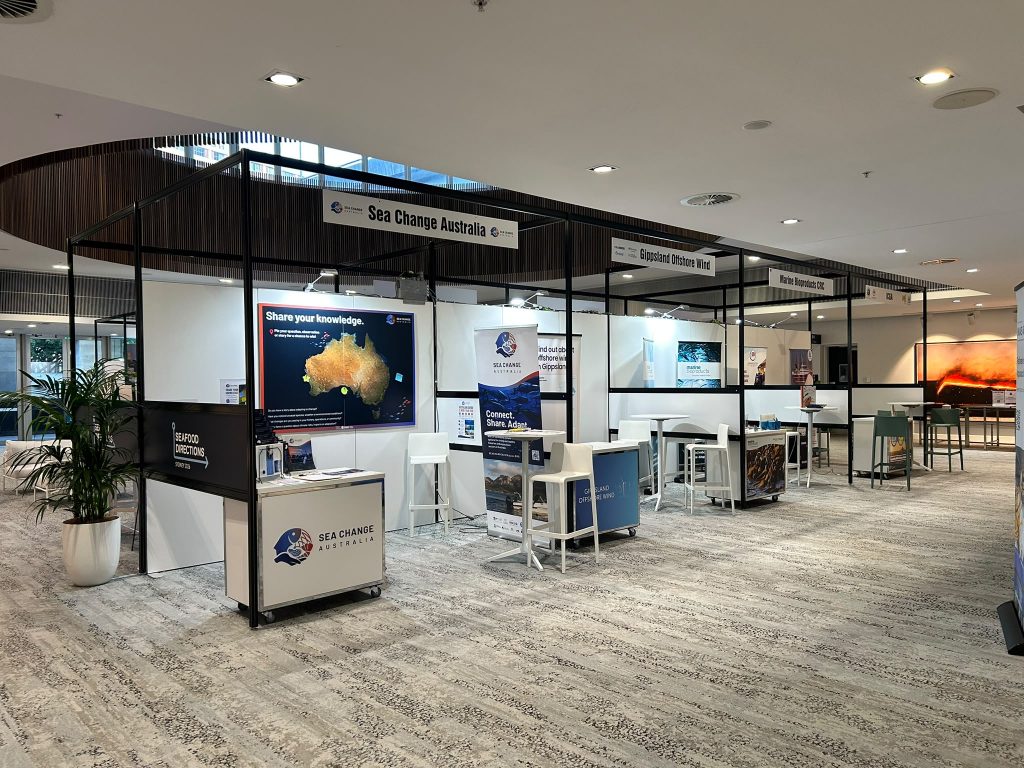
The Sea Change Australia team made the most of Seafood Directions, engaging with people from across the seafood sector through workshops, presentations, panel discussions and plenty of conversations in between. It was a valuable opportunity to share emerging project findings, hear different perspectives and learn more about how people across the sector are experiencing and responding to environmental change.
Our program commenced prior to the conference with a workshop bringing together Southern Rock Lobster industry representatives, managers and researchers from across southern Australia. The lively discussion explored changes being observed across the fishery, how industry is already responding, and opportunities to support adaptation into the future.
During the conference, Sea Change Australia team member Professor Gretta Pecl presented emerging findings from the project. A key message was that adaptation is already occurring throughout the seafood sector. Fishers, aquaculture producers and managers are responding to changing environmental, operational and market conditions in practical ways, but many of these adaptations are not widely shared or documented. The challenge is often not a lack of willingness to adapt, but ensuring people have access to relevant information, trusted networks and opportunities to learn from one another.
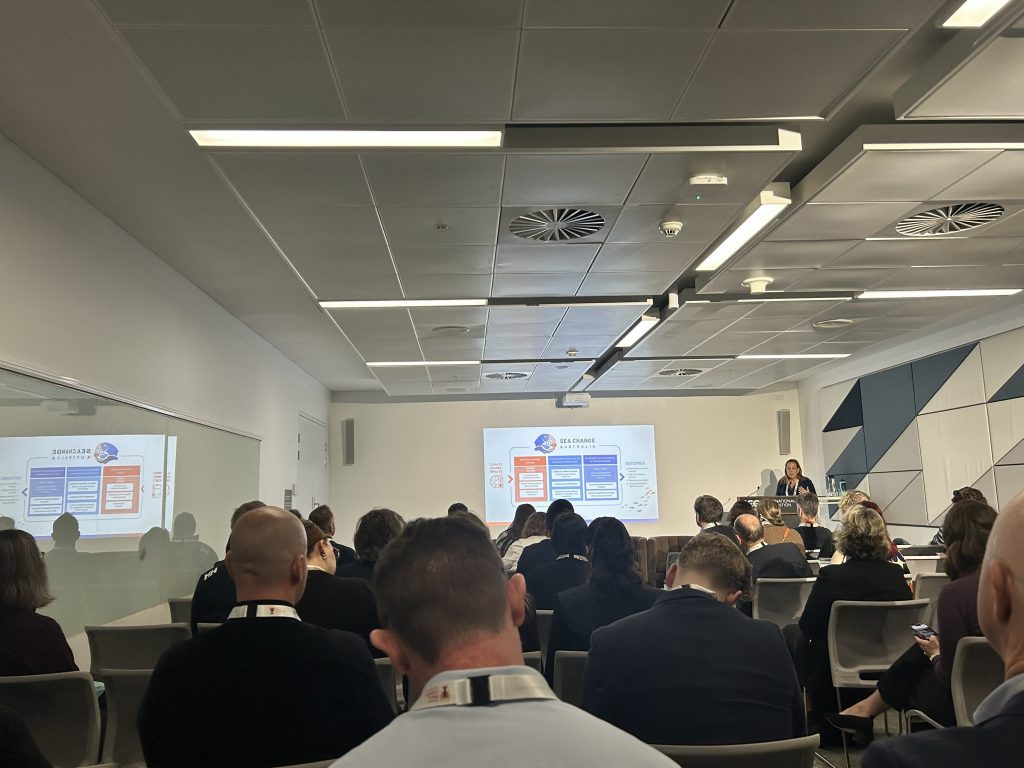
This theme continued during a panel discussion on climate resilience, ESG reporting and sustainability performance. Panelists discussed how climate resilience is becoming increasingly important for seafood businesses, alongside opportunities to improve preparedness and better communicate the sustainability achievements already underway across the sector. A recurring message was that the seafood industry is often doing more than many people realize, but there remains a need to better document, communicate and scale successful adaptation responses.
Between sessions, the conversation continued at the Sea Change Australia exhibition booth through our colourful ‘Share Your Knowledge’ pinboard. We invited people from across the sector to share the environmental changes they are seeing, how these changes are affecting them, and what they are already doing in response. The activity was all about listening and learning from the sector, while helping to capture and share the practical knowledge and adaptation already happening across Australian fisheries and aquaculture.
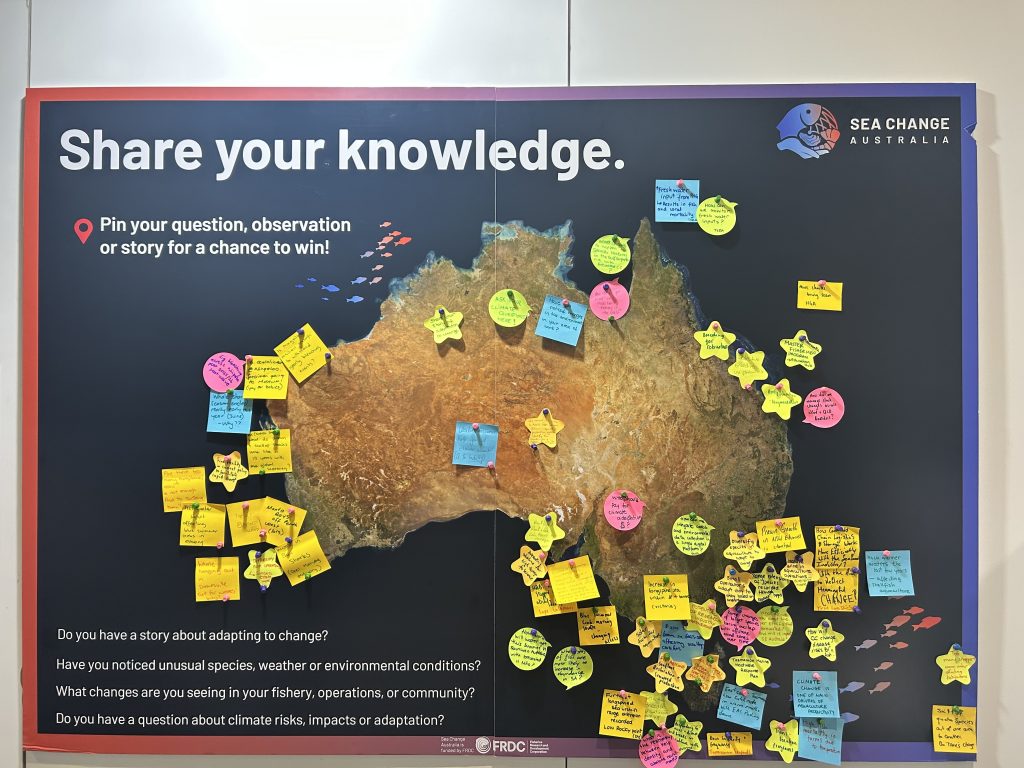
A common theme was that climate change is already being experienced across fisheries and aquaculture around Australia, although impacts vary considerably between industries, regions and species. Attendees shared stories of harmful algal blooms disrupting fishing in South Australia, warmer waters affecting shellfish aquaculture and farmed fish, changing catches and productivity, and species appearing or shifting into new areas – from long-spined sea urchins to Spanish mackerel, mud crab and spanner crab. Others highlighted changing rainfall and increased freshwater inputs in their region, reinforcing the diverse and interconnected ways environmental change is being felt across the sector.
We also heard that these impacts often don’t occur in isolation. The cumulative pressures of environmental change alongside existing industry and operational challenges can take a toll on the mental health and wellbeing of people working across the seafood sector. Don’t be afraid to reach out for support if these impacts are taking a toll on you or someone you know – Stay Afloat provides resources and support for the mental health and wellbeing of the seafood industry.
We heard a range of adaptation stories from around Australia. Did you know that some fishers are diversifying their income by branching out into tourism or other sources of income in their operations? Others are exploring selective breeding programs to address thermal tolerance in aquaculture species, or changing product handling and processing practices. These examples reinforce a key Sea Change Australia finding: many of the most valuable adaptation lessons already exist within the sector but are not consistently shared.
Questions also came through at the conference. A big topic of conversation was the forecast of the strong El Niño event, and what impact it might have on the seafood sector. Fishers, managers and other industry members also raised some big questions about what adaptation will require in practice – from who should pay for climate adaptation and how cold-chain logistics could work more efficiently, to what environmental information we need to better anticipate future impacts. The conversations won’t end with Seafood Directions. Here at Sea Change Australia, we are going to transform these adaptation stories and questions into a knowledge-sharing opportunity.
Over the coming weeks, keep an eye on our website and social media channels for extended stories of climate change adaptation, and the answers to the questions you wanted to know from Seafood Directions 2026!