Climate change, invasive species and the seafood sector
- News item
- Publication
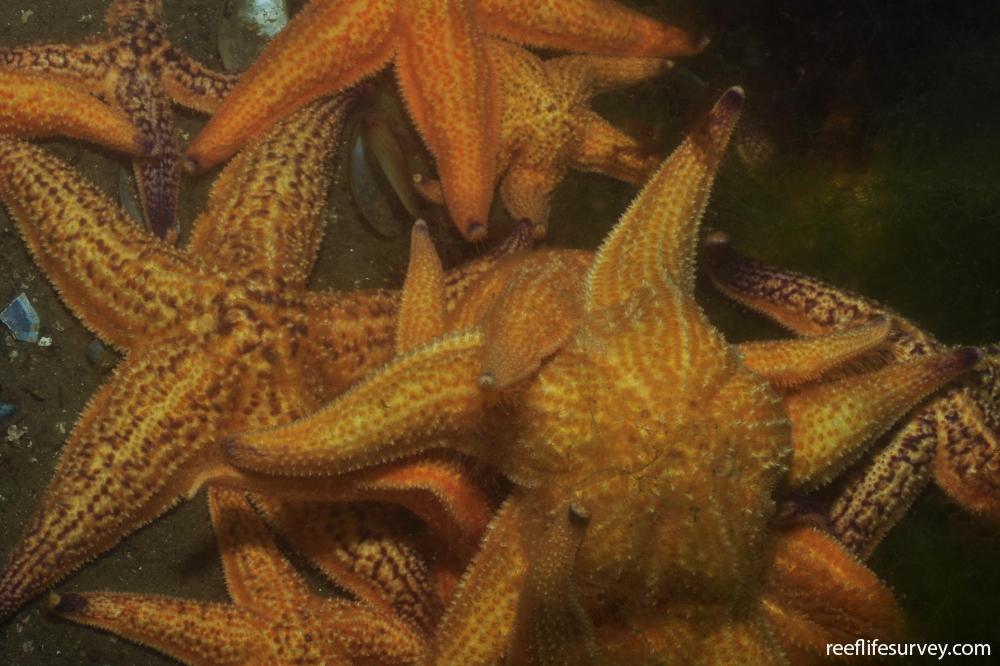
Climate change could make it easier for some marine invasive species to establish and spread, creating additional challenges for fisheries and aquaculture. A new study published in Global Change Biology reviewed 67 studies covering 30 non-native marine species and found that climate change was generally associated with greater invasion success, particularly through increases in species establishment and abundance. Warming and extreme events were among the strongest climate-related drivers identified.
For Australia’s seafood sector, this could mean changes to the biosecurity risks facing fisheries and aquaculture as ocean conditions change. Warmer waters and extreme events can alter the conditions in which marine pests survive, while disturbances to existing ecosystems may create opportunities for introduced species to establish. Australia already has introduced marine species, some of which can affect fisheries, aquaculture and marine infrastructure.
The researchers emphasise that the effects of climate change vary between species and locations, and that more research is needed to understand these risks. However, the findings highlight the importance of early detection, monitoring and adaptive biosecurity as part of climate adaptation. For the seafood sector, adapting to climate change may not only mean preparing for changes in the species being caught or farmed, but also for changes in the species and ecological interactions occurring around them.