An unusual whale season raises questions about changing ocean conditions
- News item
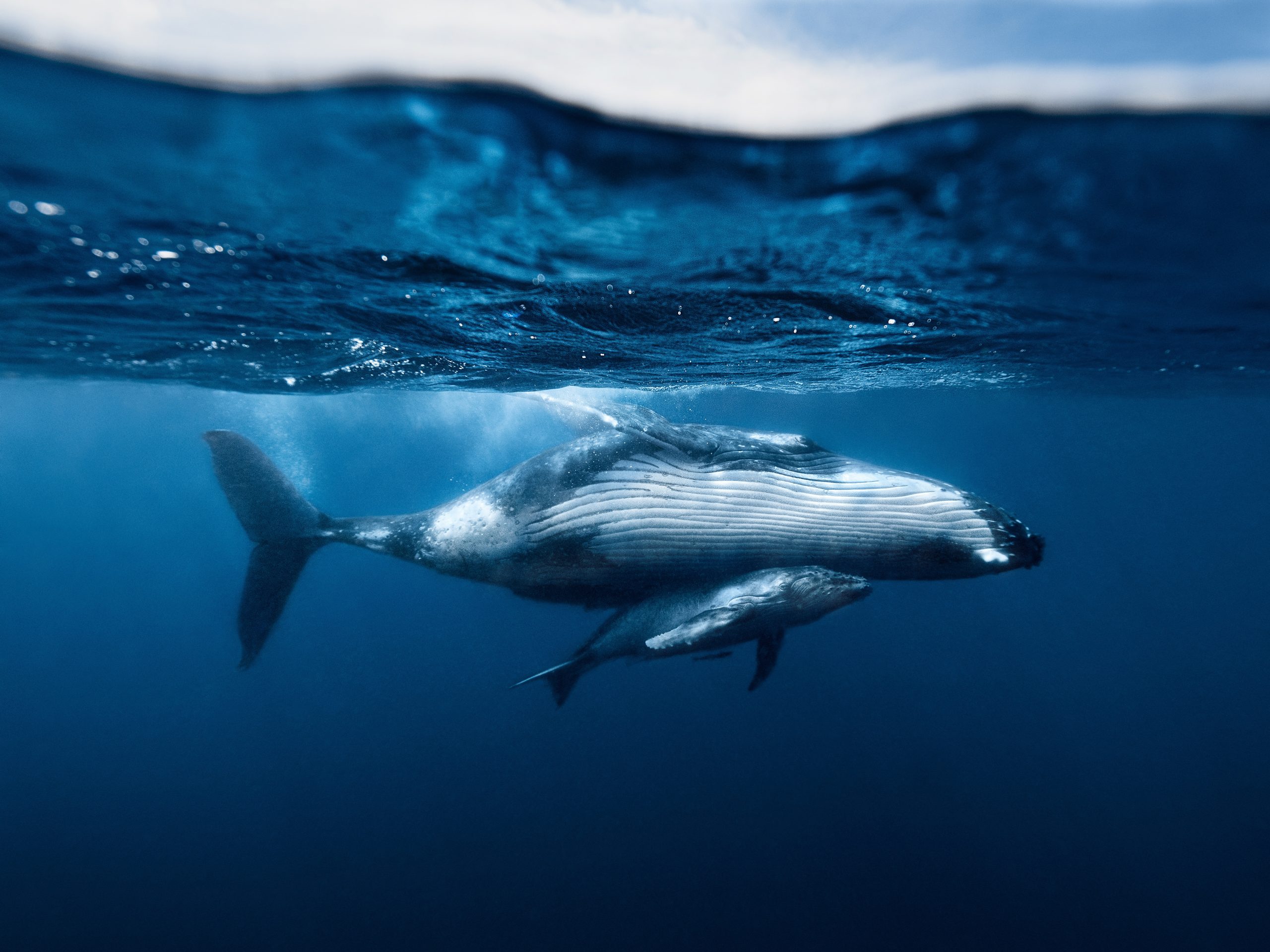
This year’s whale season has left marine scientists with more questions than answers. Researchers across the southern hemisphere are reporting fewer humpback whale sightings, unusual migration patterns and an increase in whale entanglements, prompting questions about what might be happening in our oceans.
In a recent article for The Conversation, Olaf Meynecke, Research Fellow in Marine Science at Griffith University and Manager of the Whales and Climate Program, describes the 2026 whale season as unlike anything he has experienced in nearly two decades of research.
Along Australia’s east coast, humpbacks appear to be migrating further offshore, with whale-watching operators reporting fewer sightings and less surface activity. Similar observations have emerged from Western Australia, French Polynesia, Colombia and the Cook Islands. Researchers have also reported an increase in whale entanglements, while two unusually large groups of elusive false killer whales were encountered off Queensland’s Gold Coast.
While the observations are not yet enough to establish a clear cause, they raise important questions about how changing ocean conditions might be influencing whale movements, feeding behaviour and migration.
Understanding these changes will require better coordination between researchers, monitoring programs, citizen scientists and people working on the water. Combining sightings with satellite tracking, acoustic monitoring and oceanographic data can help scientists distinguish unusual seasonal variations from longer-term shifts.
For Australia’s seafood sector, these observations are a reminder of the value of knowledge gathered on the water. Fishers and other marine users can be important contributors to understanding environmental change, helping researchers build a clearer picture of what is happening across our marine environments.
Recognising and sharing these observations is an important part of preparing for the changes ahead.
Image: Kurt Arrigo, Ocean Image Bank