Sea Change Australia attends Spotlight on Hinchinbrook
- Uncategorized
Lessons in environmental change from far north Queensland
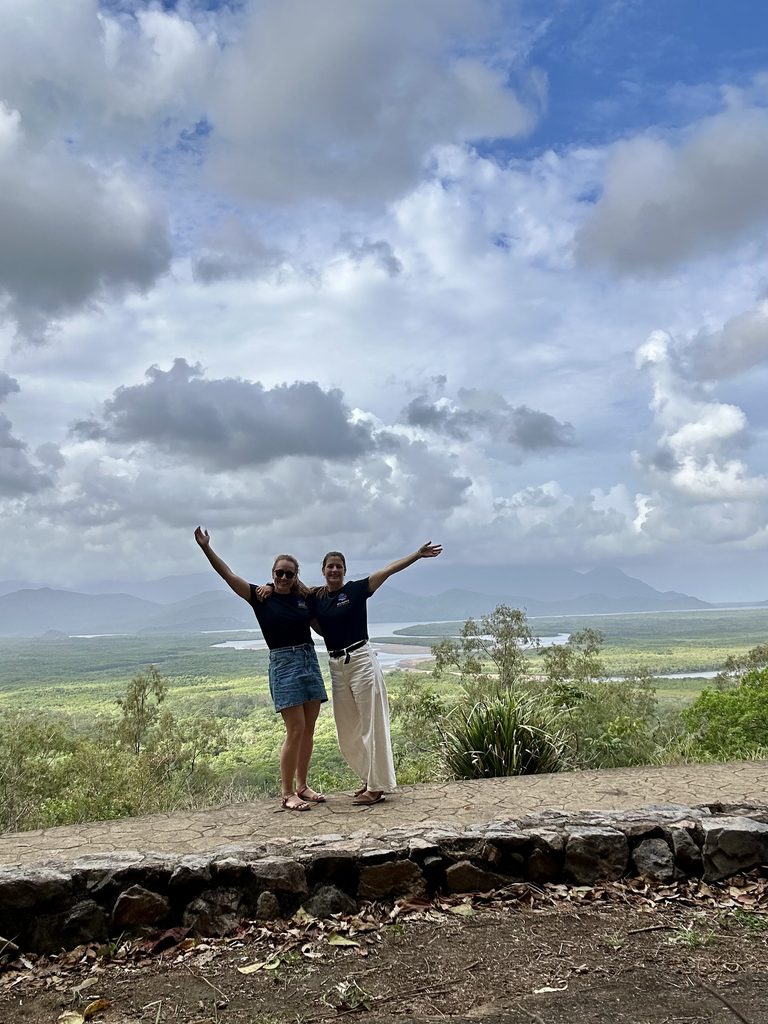
Last week, Sea Change Australia team members Dr Julia Santana-Garcon and Joanna Smart had the privilege of attending the Spotlight on Hinchinbrook event in Ingham, Queensland.
Organised by Wild Local owner Rebecca Zaghini, the event brought together fishers, industry representatives, researchers, business owners and government for three days of workshops, panels and discussion, highlighting the diverse seafood sector across the Hinchinbrook region.
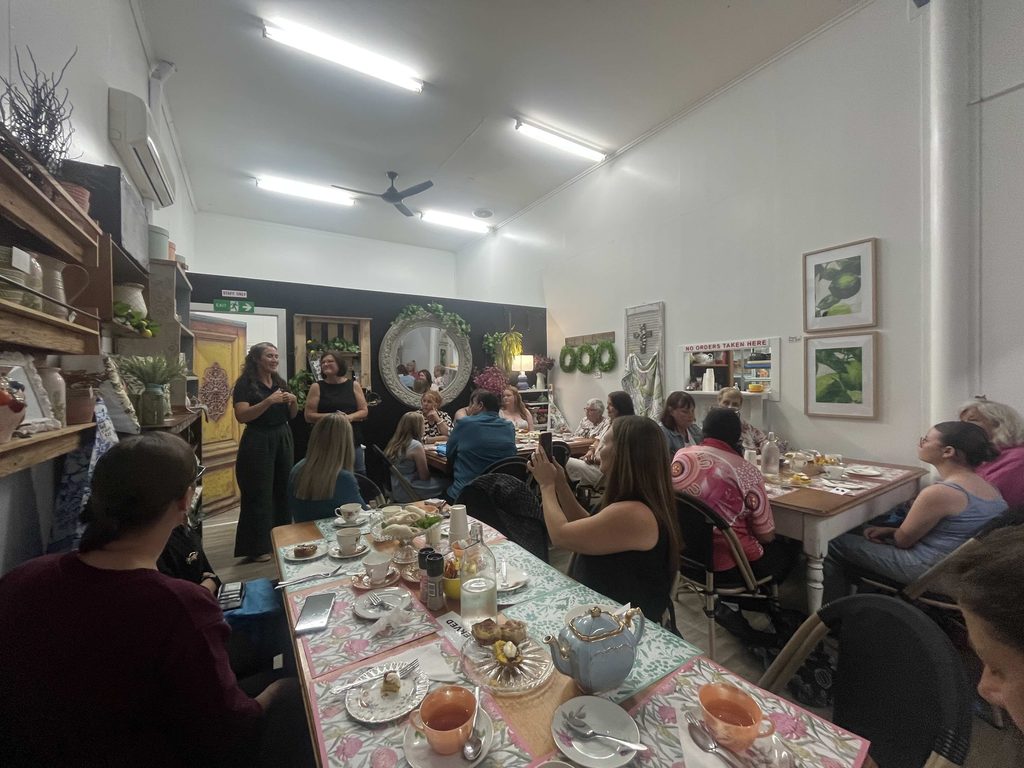
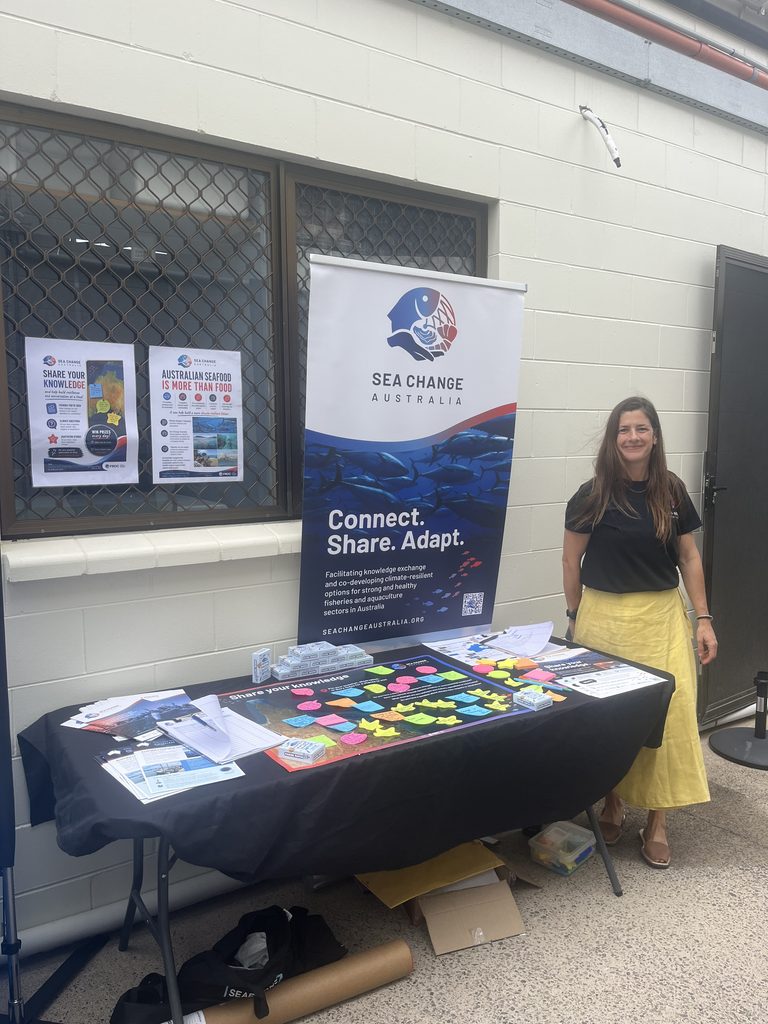
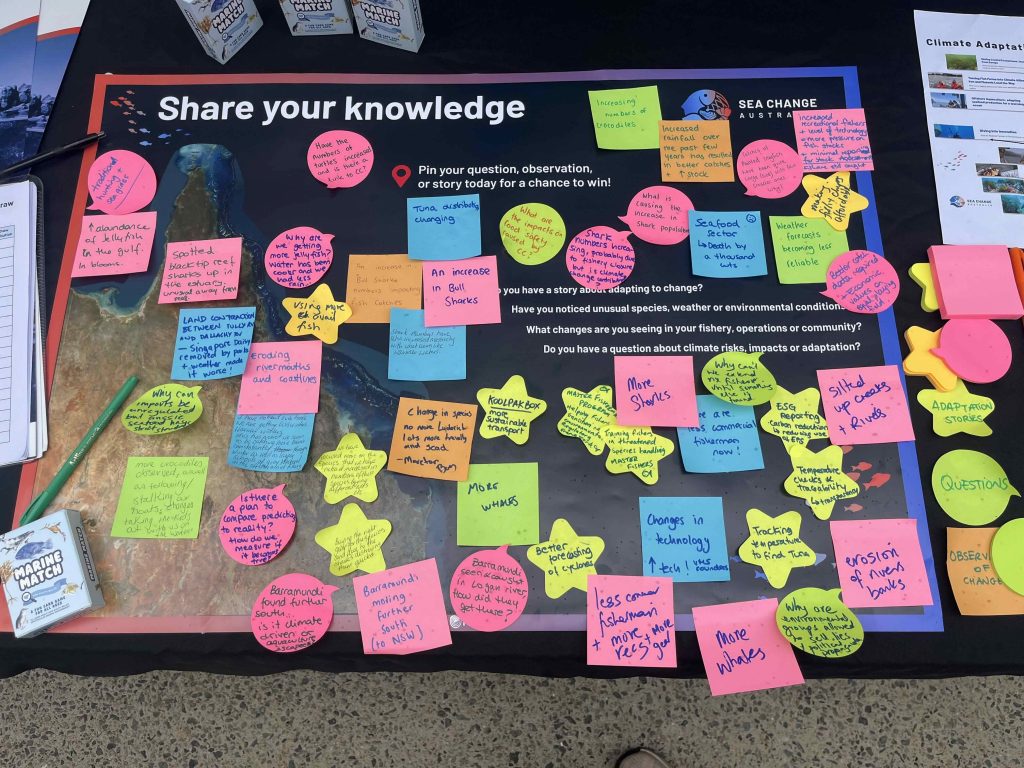
Sea Change Australia used the opportunity to listen to fishers, business operators and industry representatives about the environmental changes they are observing in their local marine environment, and how they are responding.
Observations of environmental change were numerous. Fishers reported seeing increases in jellyfish, more coastal erosion, seagrass loss along sections of the coastline, changes in river flow and changes in species composition. Some described seeing fewer luderick and more trevally, while others reported changes in catches following periods of increased rainfall. Weather forecasts were also described as becoming less reliable.
Another common observation was an increase in predator numbers, particularly sharks. Shark depredation – where sharks take fish from fishing gear before they can be landed – was raised as a significant issue for some fishers, alongside observations of increasing crocodile numbers.
Adaptation is already occurring across the region. Businesses are exploring innovative and more sustainable ways to transport seafood while maintaining appropriate temperatures through the supply chain. Fishers are also using local temperature data and technology developments to help understand where tuna stocks may be moving, supporting decisions about where and when to fish.
The event also highlighted the importance of trust between fishers, businesses, scientists and government. Participants discussed perceived differences between the objectives of science and fisheries management and the importance of including local knowledge and experiences of people working in the seafood sector.
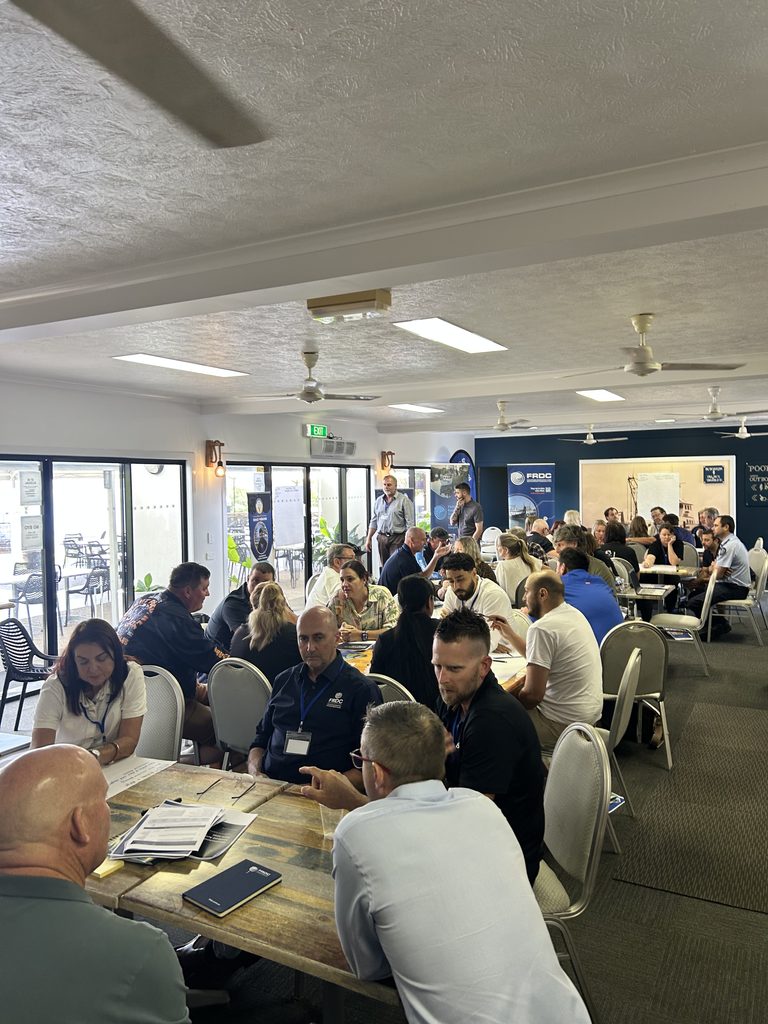
The conversations at Spotlight on Hinchinbrook reinforced the value of creating space for the seafood industry to share what they are seeing and experiencing on the water. For Sea Change Australia, these local observations provide an important starting point for connecting the experiences of seafood communities with scientific knowledge and exploring what environmental change means for the people and businesses working in marine environments.
The questions and observations raised at Spotlight on Hinchinbrook will help Sea Change Australia elevate industry and government voices and interests in the climate adaptation space, facilitate relevant knowledge exchange between different stakeholder groups, and showcase examples of how the seafood sector is adapting to a changing environment.
These conversations are an important part of building a clearer picture of how environmental change is being experienced across Australia’s seafood sector and what adaptation looks like on the ground.
Thank you to Rebecca, and all volunteers and sponsors who helped bring the Spotlight on Hinchinbrook event to life.