Preparing salmon farms for warmer water
- Adaptation story
- Tasmania
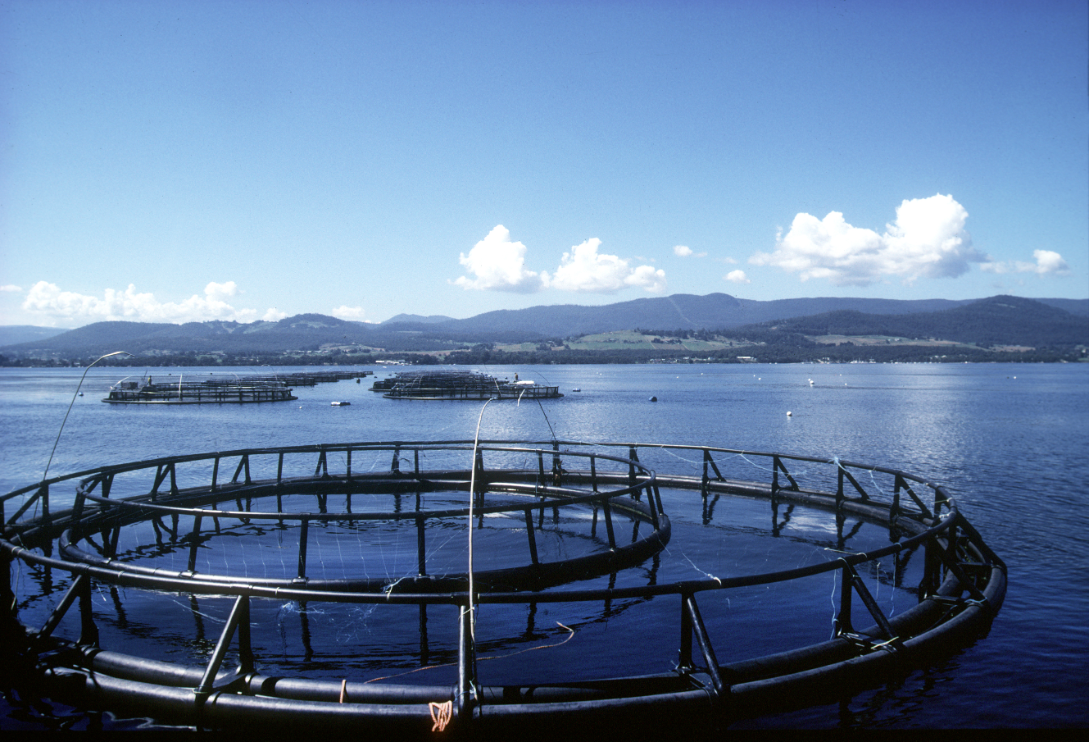
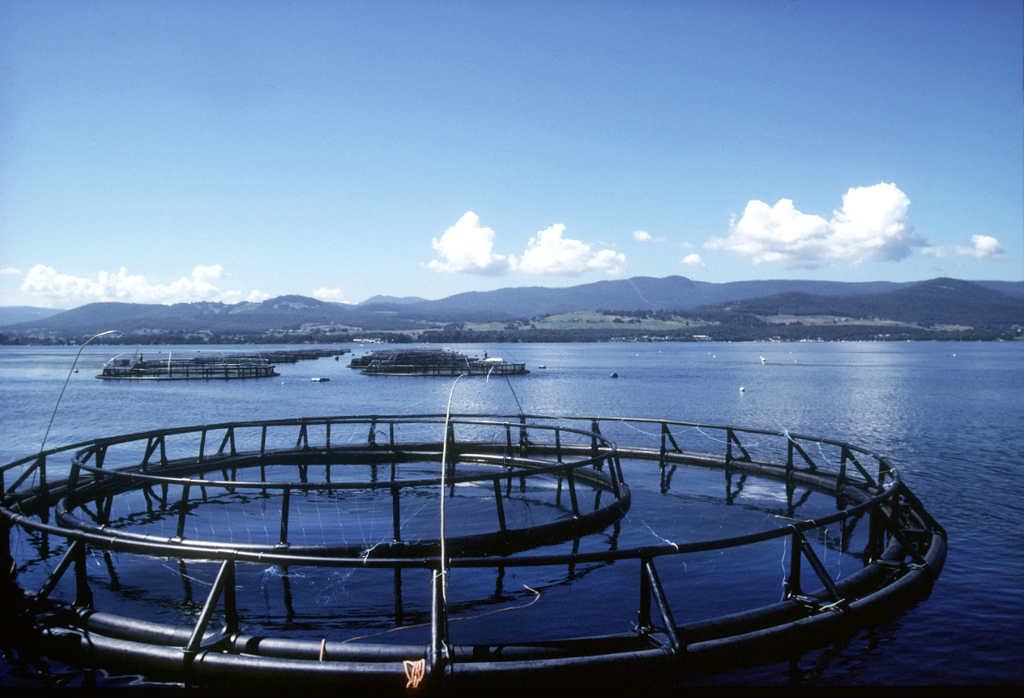
More than a decade ago, Tasmania’s salmon industry identified a need for better information about future ocean temperatures at individual farm sites.
Ocean temperature affects salmon growth, health and survival. Particularly warm conditions can increase the risk of disease and mortality. For farms operating close to the species’ upper thermal limits, periods of unusually warm water can therefore create significant management challenges.
Researchers from CSIRO and the Bureau of Meteorology, working with the Tasmanian salmon industry, developed a seasonal forecasting system that could predict ocean temperatures several months ahead at salmon farms in south-east Tasmania. The project used the Bureau of Meteorology’s ocean–atmosphere forecasting system, POAMA, together with observations from salmon farms to produce forecasts at the local scale.
Testing against 20 years of historical observations showed that the system could provide useful forecasts of farm temperatures, with predictive skill extending to around three months ahead. This is useful because knowing that a warmer-than-usual period is likely could help managers prepare for increased fish health risks, consider changes to feeding or other management practices, and plan staffing and maintenance activities around expected conditions. The forecasts can also provide early warning of unusually cool conditions, which can have their own implications for farm operations.
Seasonal forecasting cannot tell farmers exactly what conditions will occur, but it can provide an indication of what is more likely, making it a useful example of climate adaptation at the farm level. Rather than waiting for unusually warm water to arrive and then responding, farmers can use information about likely conditions to make decisions further in advance. This becomes increasingly valuable as Tasmania’s marine environment changes. Climate change is increasing ocean temperatures and contributing to more frequent marine heatwaves, meaning that conditions outside the historical range may become more common.
The salmon forecasting project demonstrated how climate information can be translated into something directly useful for industry: a better idea of what conditions are coming, and more time to prepare for them.
Climate adaptation does not always require completely new infrastructure or technology, sometimes, it means making better use of information that is already available. For aquaculture, where environmental conditions directly affect the animals being farmed, forecasting can provide an additional tool for managing risk and adapting operations as the ocean changes.
Read more: Forecasting ocean temperatures for salmon at the farm site
Read the research: Dynamical seasonal ocean forecasts to aid salmon farm management in a climate hotspot