Global ocean temperatures reach record high – what does it mean for Australian seafood?
- News item
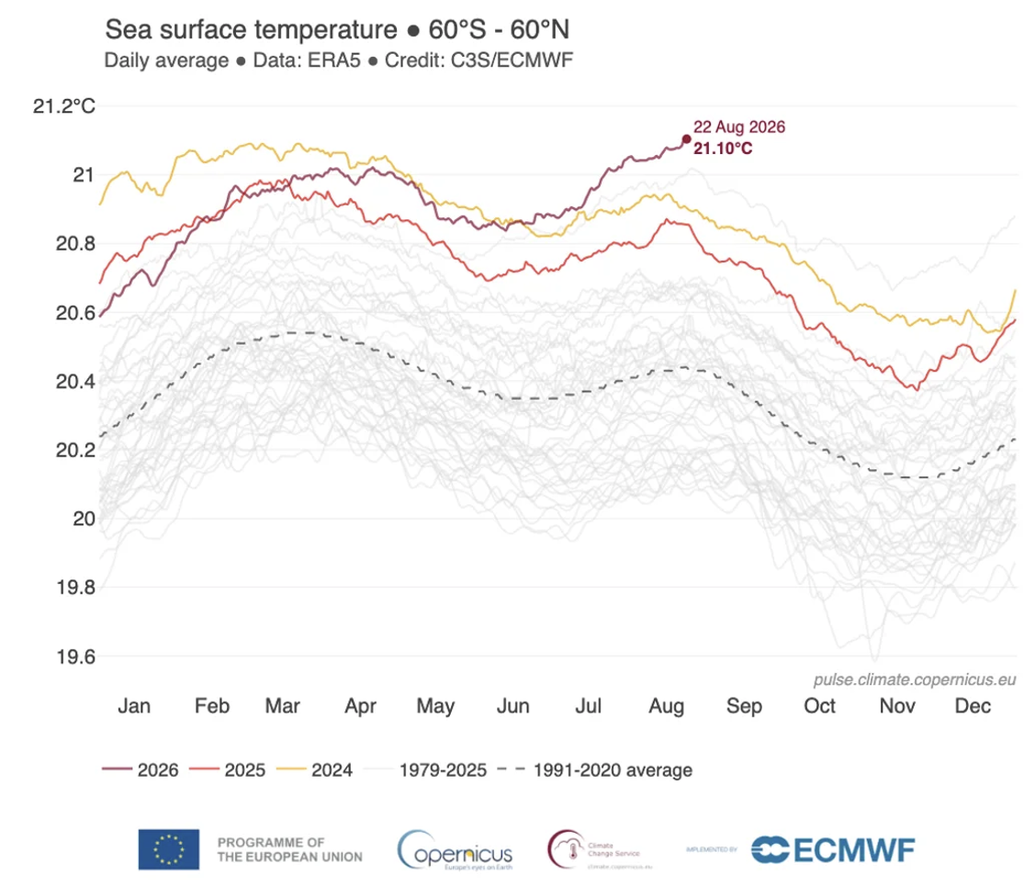
A new ocean temperature record was set over the weekend, with average global ocean temperatures reaching their highest level since record keeping began.
On 22 August, the average global ocean temperature reached 21.1°C, surpassing the previous record of 21.09°C set on 1 March 2024.
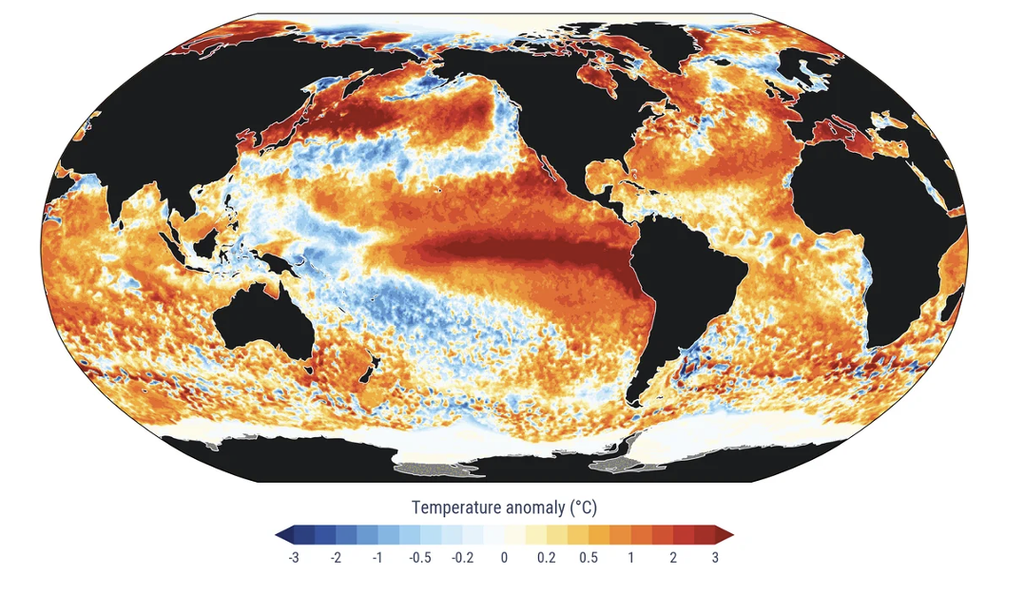
The timing of the record is particularly unusual. Ocean temperatures typically reach their global peak around March and April, during the Southern Hemisphere summer. Instead, this year’s record has occurred during the Northern Hemisphere summer, following an exceptionally warm season across Europe and other parts of the Northern Hemisphere.
Europe has experienced widespread heatwaves, drought and extreme temperatures, with some rivers becoming so low that they can no longer be reliably used to transport goods by barge.
These extreme conditions are not simply random weather events. Human-induced climate change is making extreme heat more likely and increasing the baseline temperature of both the atmosphere and the ocean.
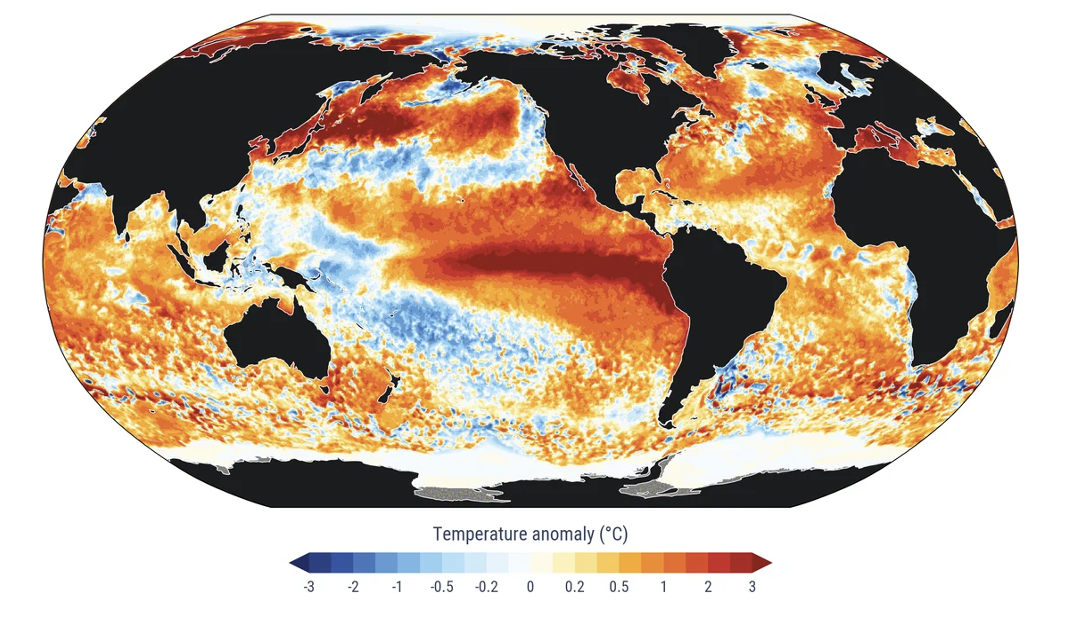
The current ocean temperatures are also occurring against a backdrop of El Niño conditions, which can cause significant changes in ocean temperatures, currents, rainfall and marine ecosystems.
What does this mean for Australian seafood?
The Northern Hemisphere summer is a reminder that the marine conditions Australian seafood businesses experience this summer may not look like those of previous years.
As El Niño develops, ocean temperatures are expected to remain elevated, with the event currently forecast to peak between November and January. But the bigger picture is that El Niño is occurring on top of a warming ocean. This means that even when natural climate variability changes, the underlying baseline is getting warmer.
For fishers and aquaculture operators, warmer and more variable conditions can mean changes in where species are found, when they are available, recruitment and survival, harmful algal blooms, disease risk, weather conditions and the timing and reliability of fishing seasons. The effects will vary considerably between regions and fisheries.
We cannot yet predict exactly what this summer will bring, but we recommend keeping an eye on local water temperatures, seasonal forecasts, species movements and changes in catch patterns, and to consider where there may be opportunities to adapt operations if conditions change.
Climate change means that the conditions we have traditionally used to plan fishing and aquaculture operations are becoming less reliable. Keeping informed, watching for changes early and being prepared to adjust are increasingly important parts of managing that uncertainty.
Sea Change Australia will continue to share information to help the seafood sector navigate these changes, including details of the FRDC marine climate briefings and stories from seafood businesses and researchers around Australia about how they are identifying, responding to and adapting to climate change.