Climate Adaptation Stories from the Kitchen
- Adaptation story
- South Australia
Climate adaptation stories in the seafood sector often occur on the ocean. Whether this is by changing what species recreational fishers target, rebuilding oyster reefs or developing new ways to farm abalone, the way the seafood sector adapts to changing climate conditions often reflects the environment in which we operate – on, or within the ocean.
However, climate adaptation can occur at all stages of the seafood cycle, including in the kitchen!
Chefs and seafood consumers have been adapting to climate change by modifying what they serve.
This is exemplified by the Great Southern Reef Foundations Eat an Urchin program, which encourages chefs and consumers to find new and innovative ways to eat the long-spined sea urchin, a well document climate range extender.
The long spined sea urchin (Centrostephanus rodgersii) has been eating its way down the south eastern Australian coastline with an insatiable appetite for kelp, and a life history that’s particularly favourable for larval dispersal. It’s spread has been linked to the decline in kelp forests along the coast, which has follow-on impacts for commercial and recreational fishers who are targeting the species that call the kelp forests home, like abalone and rock lobster.
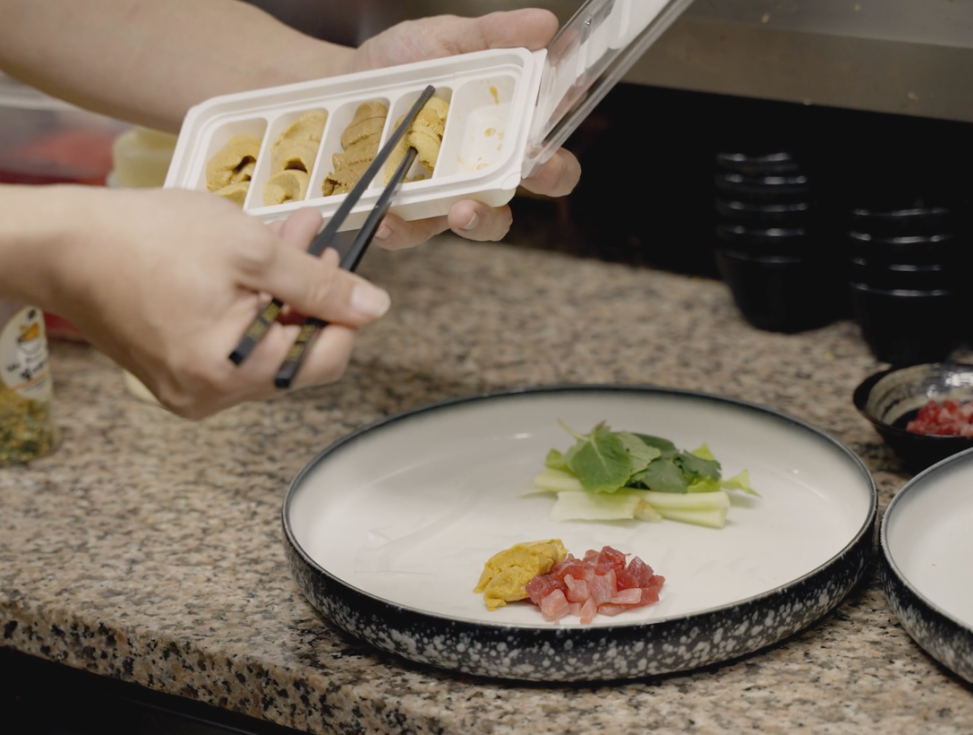
However, long-spined sea urchin roe, otherwise known as uni, is a culinary delicacy. With a salty, buttery and fresh taste, it is often said to be ‘seafood butter’, and Australian chefs are taking notice. Urchin is becoming a more common menu item across fine dining and home cooking alike.
So why not try some cheesy chilli and sea urchin pasta, sea urchin blini or sea urchin Vietnamese rolls? You never know, urchin might just be your new favourite food.