Adapting the Catch: Recreational Fishing Through Change in Tasmania
- Adaptation story
- Tasmania
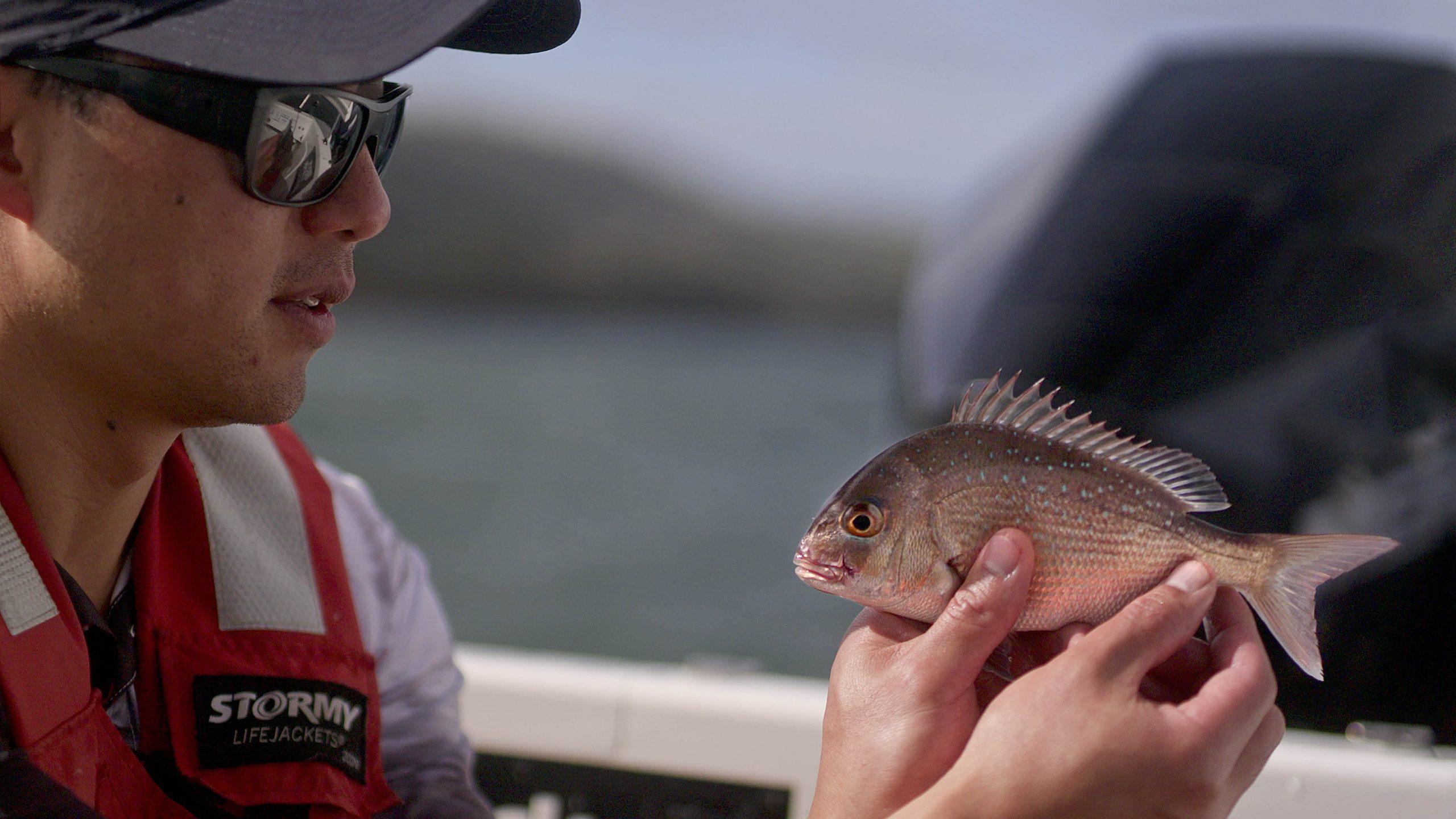
Off the coast of Tasmania, recreational fishers are noticing the ocean changing and adapting to it. Warmer waters driven by climate change are changing the species available to them and bringing new species further south, including pink snapper, once rarely seen in Tasmanian waters. For experienced fishers like Jonah Yick, who spend countless hours on the water, these shifts are hard to miss. What was once an occasional catch has become a viable new target, reshaping local fishing practices and opening up new opportunities.
As familiar species become less abundant or more tightly managed, fishers are diversifying what they catch and how they fish. Pink snapper, along with species like yellowtail kingfish, are helping to relieve pressure on traditional targets such as flathead, while also supporting new recreational and charter fishing experiences. This flexibility is a key part of climate adaptation – adjusting effort, techniques, and expectations in response to a changing marine environment. At the same time, fishers remain aware that these changes come with uncertainty, including the size of these stocks and how new species might interact with existing ecosystems.
Beyond adapting their own practices, recreational fishers are also contributing valuable knowledge. Through citizen science platforms like Redmap, they are sharing observations of species appearing outside their usual ranges, helping to build a clearer picture of change across Australia’s oceans. These on-the-water insights are critical for informing research and management, ensuring that adaptation efforts are grounded in real-world experience as conditions continue to change.