South Australian harmful algal bloom spreads north, raising fears for giant cuttlefish aggregation
- News item
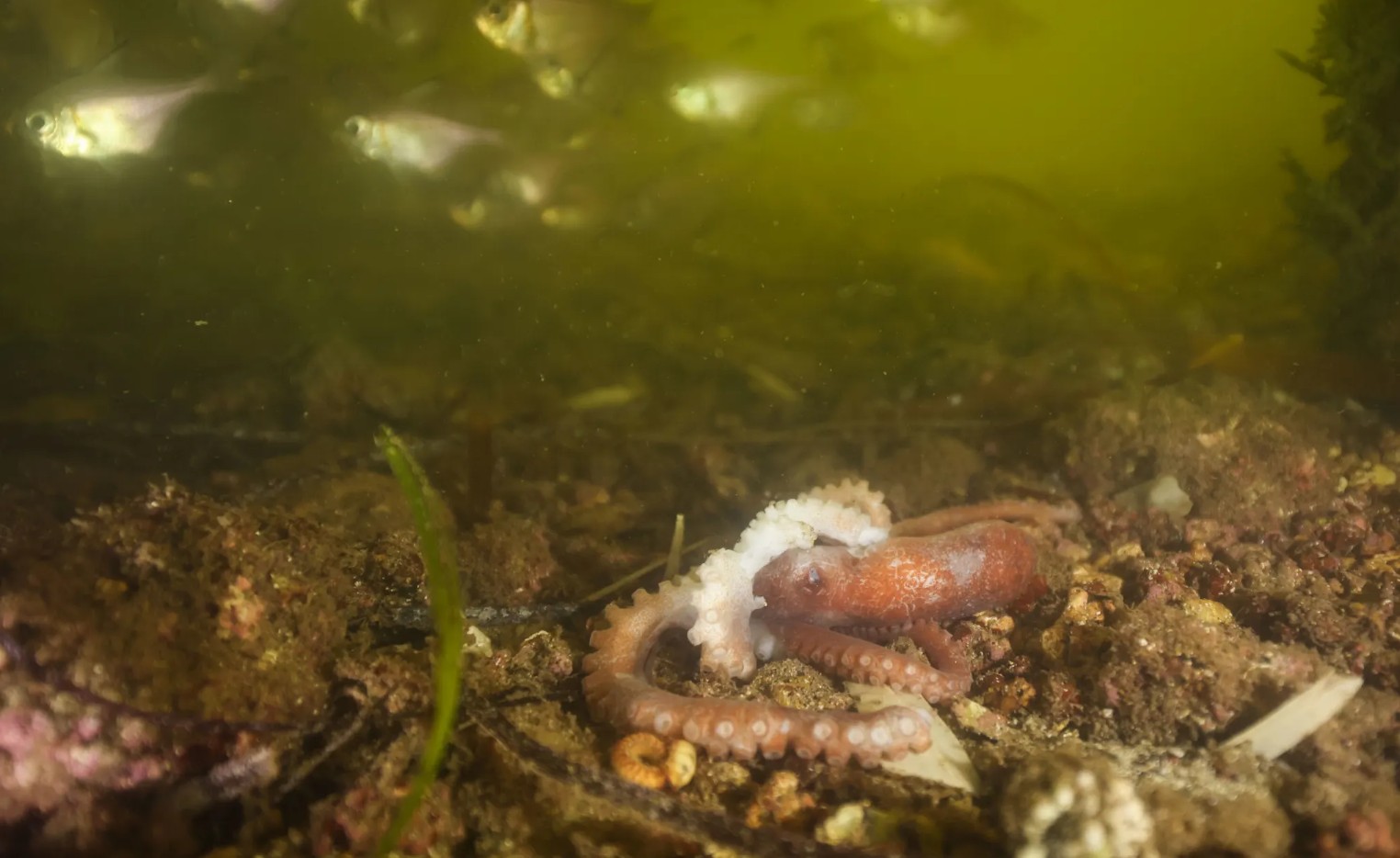
South Australia’s harmful algal bloom has spread north along the Yorke Peninsula, raising concerns it could reach the Spencer Gulf and threaten the world-renowned giant cuttlefish aggregation near Whyalla.
Waters off Port Victoria have turned brownish-green, with visibility dropping below one metre in some areas. Marine ecologists report widespread impacts, including dead and dying southern sand octopus, rays, abalone and other reef species. Great Southern Reef Foundation co-founder Stefan Andrews said reefs that were thriving a week earlier had rapidly deteriorated, describing the collapse as occurring within days.
The bloom is caused by multiple species of Karenia, a genus of microscopic dinoflagellates that can discolour seawater and produce toxins harmful to marine life. While recent state government data indicated low Karenia levels last week, authorities say the situation remains dynamic and difficult to predict. Monitoring has expanded to 17 onshore sites across Yorke Peninsula, alongside offshore testing in Spencer Gulf and Gulf St Vincent.
The potential spread northward is particularly concerning given the annual aggregation of giant cuttlefish near Port Lowly, outside Whyalla. The winter breeding event is the only known mass gathering of its kind globally and attracts divers, photographers and researchers from around the world. Scientists warn that if adult cuttlefish or their eggs are exposed to toxic blooms, the impacts could affect future generations.
A trial “bubble curtain” system, designed to shield cuttlefish and their eggs from harmful blooms, can be deployed if needed. However, experts note uncertainty about whether migrating cuttlefish could encounter blooms before reaching the breeding site.
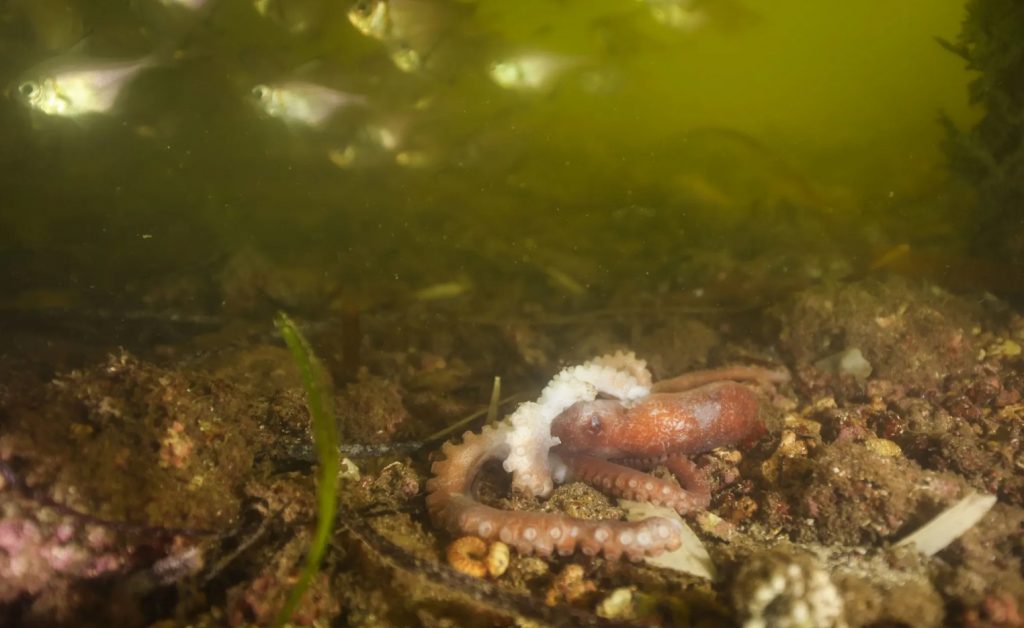
Researchers continue to study the event, with a recent international paper identifying five different Karenia species contributing to the prolonged outbreak.
Read more here