WA Fishing Closures Highlight Role of No-Take Zones in Stock Recovery
- News item
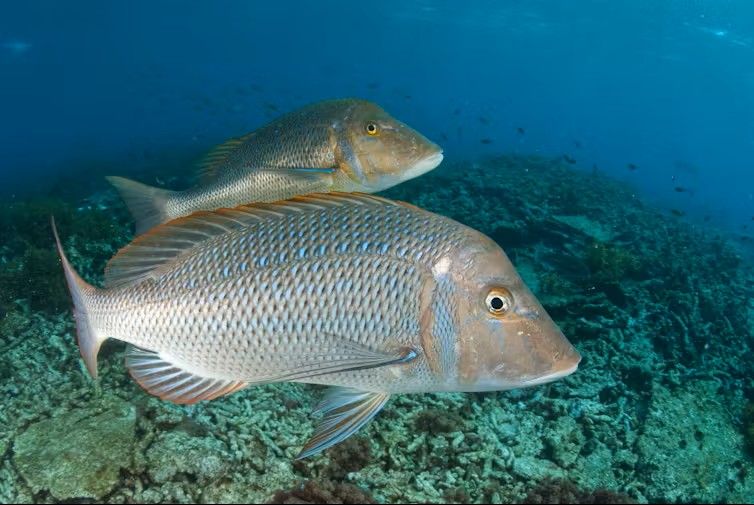
Western Australia’s recent decision to close commercial and recreational fishing for key demersal species along a 900-kilometre stretch of the south-west coast has sparked debate — but new research suggests strategic no-take zones could ultimately benefit both fish populations and fishers.
The closures were introduced to prevent further decline of vulnerable species such as dhufish and pink snapper. When the fishery reopens in 2027 (for recreational fishing only), large demersal “recovery zones” are proposed where bottom fishing will remain permanently banned.
Research led by scientists from the University of Western Australia examined how no-take marine zones affect fish populations and fishing outcomes. Using a detailed computer model of spangled emperor populations at Ningaloo, researchers compared standard fisheries management with scenarios that included no-take areas and seasonal closures.
The findings were clear: no-take zones significantly increased the number of large, mature fish and improved spawning output. When combined with seasonal fishing closures, the benefits were even greater. Importantly, the model predicted that recreational catch rates in open fishing areas near access points could double due to spillover from protected zones.
Larger, older female fish are particularly important for stock recovery, producing far more eggs than younger fish. By protecting these individuals, no-take zones help rebuild breeding populations and support long-term fishery sustainability.
While closures can be controversial in the short term, science indicates that combining protected areas with effective fisheries management offers a pathway to healthier stocks, more stable catches and climate-ready fisheries into the future.
Read the full The Conversation article here