SA Harmful Algal Bloom Report Calls for Licence Buybacks and Long-Term Recovery Plan
- News item
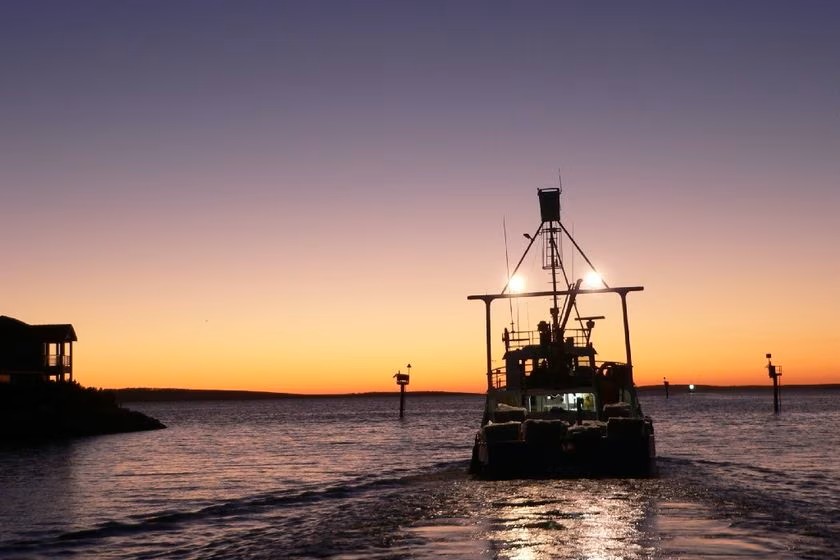
South Australia’s harmful algal bloom has triggered fresh calls for structural reform in the state’s fishing sector, with a parliamentary inquiry recommending commercial licence buybacks and a 10-year stock recovery plan.
The SA Parliament’s Joint Committee on Harmful Algal Blooms this week handed down its final report, outlining 11 recommendations aimed at supporting fishers and rebuilding impacted fisheries. Among them is consideration of a voluntary commercial fishing licence buyback scheme, alongside a long-term ecological monitoring program and improved water quality reporting.
The bloom — described by Seafood Industry South Australia as the most significant ecological and economic challenge in a generation — has had severe impacts on marine life and fishing livelihoods. Species including Port Jackson sharks were heavily affected, and fishers have reported ongoing stock declines across key fisheries.
The report recommends that a limited number of licences be bought back or temporarily surrendered to reduce pressure on depleted stocks while recovery occurs. It also calls for a 10-year re-stocking and rebuilding strategy to restore confidence in affected fisheries.
Primary Industries Minister Clare Scriven confirmed the state government has allocated $500,000 to investigate the feasibility of a buyback scheme, while the opposition has pledged a larger voluntary package if elected.
Beyond structural reform, the inquiry highlighted the need for stronger long-term monitoring, improved research capacity and more transparent reporting during marine environmental events.
For Sea Change Australia, the findings underscore a growing reality: climate-driven marine events such as harmful algal blooms are no longer isolated shocks but systemic risks. Supporting industry adaptation will require not only emergency response, but forward-looking planning that balances ecological recovery with economic resilience.
As warming oceans intensify marine heatwaves and bloom events, rebuilding fisheries sustainably, and strengthening monitoring systems, will be central to ensuring coastal communities can adapt to a changing ocean.
Read full ABC article here