From Plankton to Prosperity: What the Nordic Blue Economy Means for Climate-Ready Oceans
- News item
As climate change reshapes the Arctic, retreating sea ice is opening new frontiers for marine industries. The question facing Nordic nations is not whether ocean activity will expand, but how it can grow sustainably.
A recent Nordic Oceans 2050 outlook highlights the need to develop new biomarine value chains as part of a low-carbon ocean economy. Offshore energy, fisheries, aquaculture and shipping already underpin northern economies. Now, emerging marine resources are being explored to meet growing demand for renewable energy, raw materials and low-carbon protein.

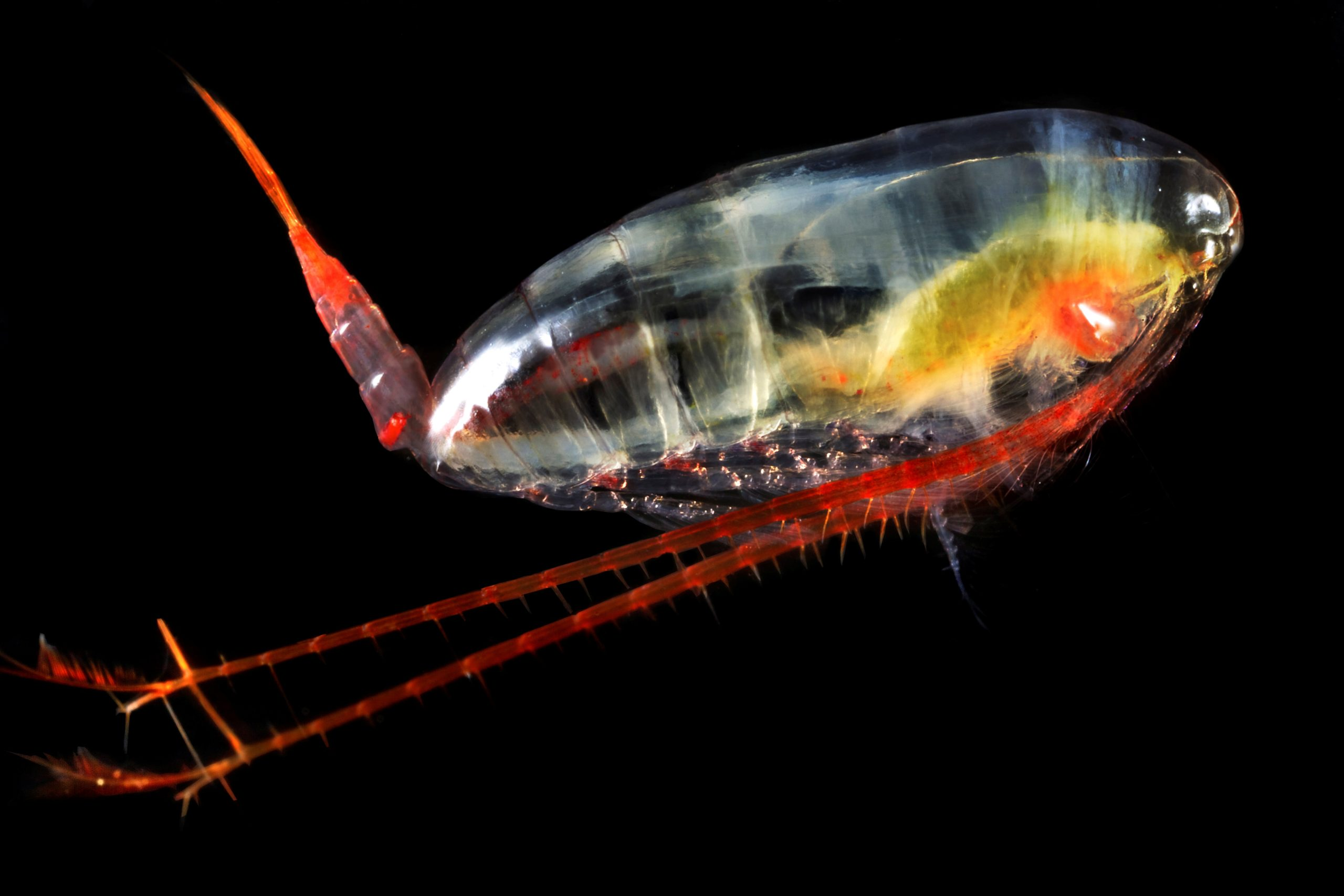
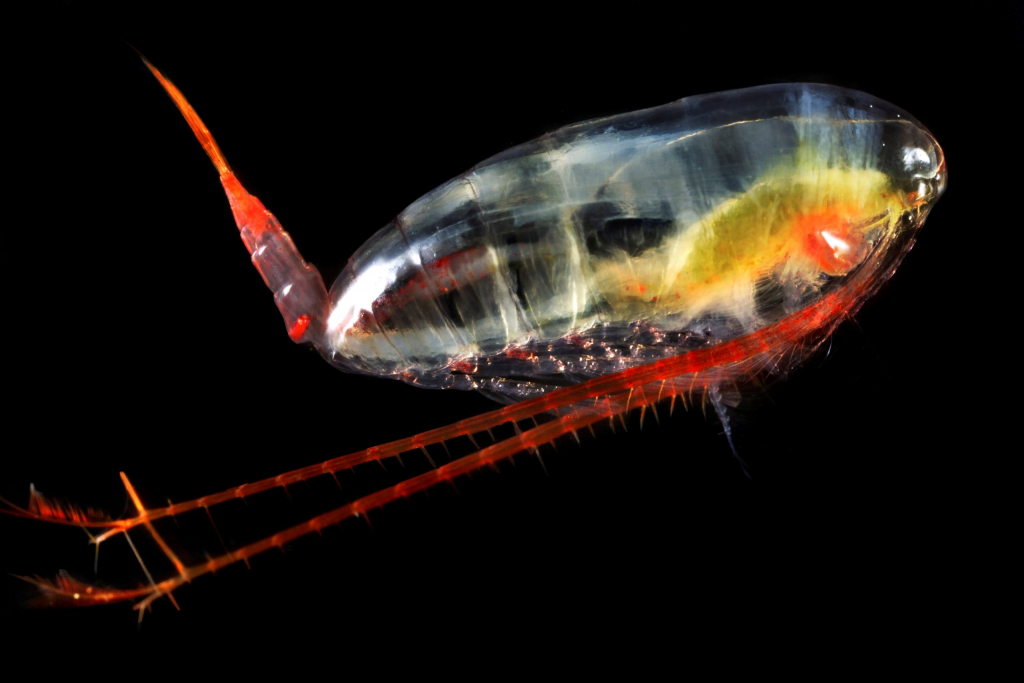
One example is Calanus finmarchicus — commonly known as red copepod — a tiny zooplankton species that represents one of the largest annually renewable biomasses in the Norwegian Sea. What began as academic curiosity has evolved into industrial innovation. Norwegian company Zooca Calanus has developed marine oils and protein products derived from this species, investing heavily in processing infrastructure and sustainability documentation to bring a new biomarine product to global markets.
The journey has not been simple. Commercialising a wild marine resource requires careful quota management, regulatory approval, ecosystem monitoring and market education. Concerns from traditional fisheries and the need to demonstrate minimal ecological impact underscore the importance of science-led governance in emerging ocean industries.
For Sea Change Australia, the story offers important lessons. As climate pressures intensify and global demand for sustainable protein grows, ocean-based industries must balance opportunity with ecosystem stewardship. Innovation alone is not enough — strong research partnerships, clear regulatory frameworks and long-term investment are critical.
The Nordic experience shows that building a climate-resilient blue economy takes collaboration, capital and careful management. If done well, new biomarine industries can contribute to emissions reduction, sustainable food systems and regional development, while safeguarding the marine ecosystems on which they depend.
In a warming world, the future ocean economy will be defined not just by what we extract, but by how responsibly we grow.
Read the full Nordic Labour Journal article here